Protecting Pets from Extreme Heat: Essential Safety Strategies
According to WWAYTV3, extreme heat and humidity are increasing the risk of paw burns, dehydration, sunburn and heat-related illness in dogs and cats.
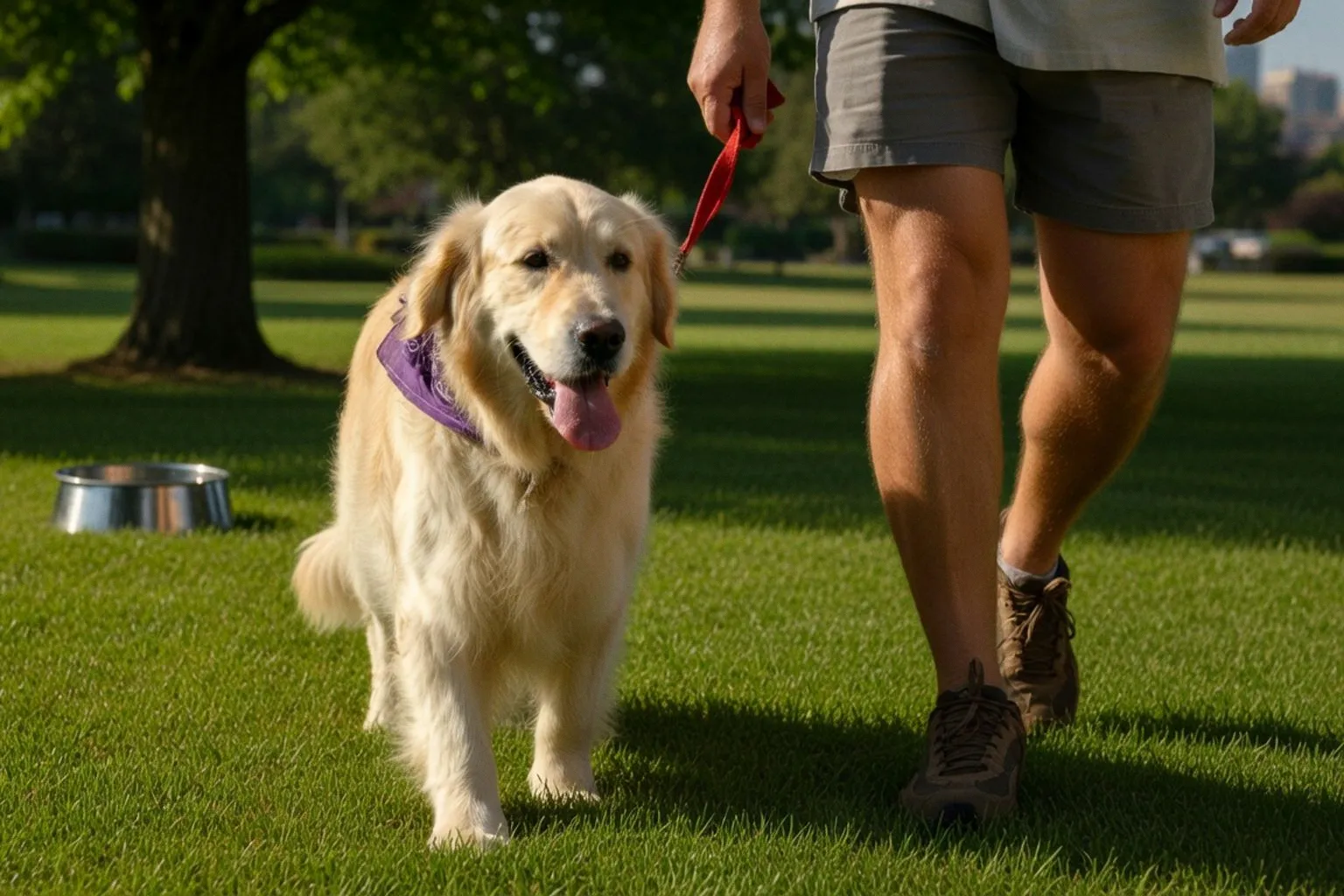
The practical response is not a single temperature rule. It is a control problem involving surface temperature, humidity, shade, water, activity intensity and the individual animal. A UK petition reported by The Tailed has proposed banning dog exercise above 25°C, but that threshold is not current law.
Start with the walking surface
Pavement and asphalt can heat rapidly, creating a paw-burn risk even when the air temperature appears manageable. Use a direct test before every walk: place the back of your hand on the pavement. If you cannot hold it there comfortably for seven seconds, the surface is too hot for the animal’s paws.
If the test fails:
- Move the route to grass or continuous shade.
- Shift activity to a cooler part of the day.
- Reduce walking duration and intensity.
- Consider protective booties where appropriate.
- Do not assume that a falling air temperature makes the surface safe immediately.
Dark paving can retain heat. Direct sun changes the thermal load. A short route across exposed asphalt is not equivalent to a longer route through shaded or grassy areas.
Control exposure, water and indoor activity
Pets should ideally remain indoors during the hottest part of the day, generally between 2 and 4 p.m., according to the guidance reported by WWAYTV3. When outdoor activity is necessary, provide fresh water and shade. A collapsible water bowl is a practical control for walks and travel.
If conditions are unsafe for extended outdoor exercise, replace the walk with indoor enrichment. Food-dispensing toys and puzzle feeders can provide mental and physical activity without exposing the animal to heated surfaces or direct sun.
Sun exposure is another variable. Pets with light-colored fur or exposed skin may be vulnerable to sunburn. Pet-safe sunscreen and lightweight UV-protective clothing are identified as additional options for outdoor activity.
Do not leave a dog or cat unattended in a parked vehicle. WWAYTV3 reports that the interior can reach 89°F within 10 minutes on a 70°F day and rise to 104°F within 30 minutes. The recommendation from Best Friends Animal Society is to keep pets out of parked vehicles altogether during hot weather.
Do not use 25°C as a universal safety line
The petition described by The Tailed calls for a legal ban on exercising dogs above 25°C, with proposed exemptions for emergencies and certain working situations. It has passed 10,000 signatures and remains open until 24 October 2026, meaning the UK Government is expected to respond. It has not created a 25°C legal threshold.
For dog walkers and pet sitters, the operational point is more important than the policy number. Heat risk changes with humidity, surface temperature, shade, water access, exertion and the animal’s characteristics. Breed, muzzle shape, age, coat, fitness and medical history can alter tolerance. Some dogs may struggle at lower air temperatures.
Use this minimum safety sequence before accepting or continuing a hot-weather walk:
1. Check the air conditions and humidity.
2. Test the pavement for seven seconds.
3. Identify a shaded or grassy route.
4. Carry water and a collapsible bowl.
5. Reduce pace, distance and exertion.
6. Cancel or replace the outing with indoor enrichment if controls are inadequate.
7. Watch for changes in behaviour and seek veterinary advice promptly if concerned.
The correct decision is based on the whole thermal environment and the individual dog, not on a single number.