Do Dogs Need Sunscreen? Expert Advice and Top-Rated Formulas for Pet Safety
Business Insider reports that veterinary professionals are recommending sunscreen for dogs, and the outlet's team tested three formulas to compare performance.
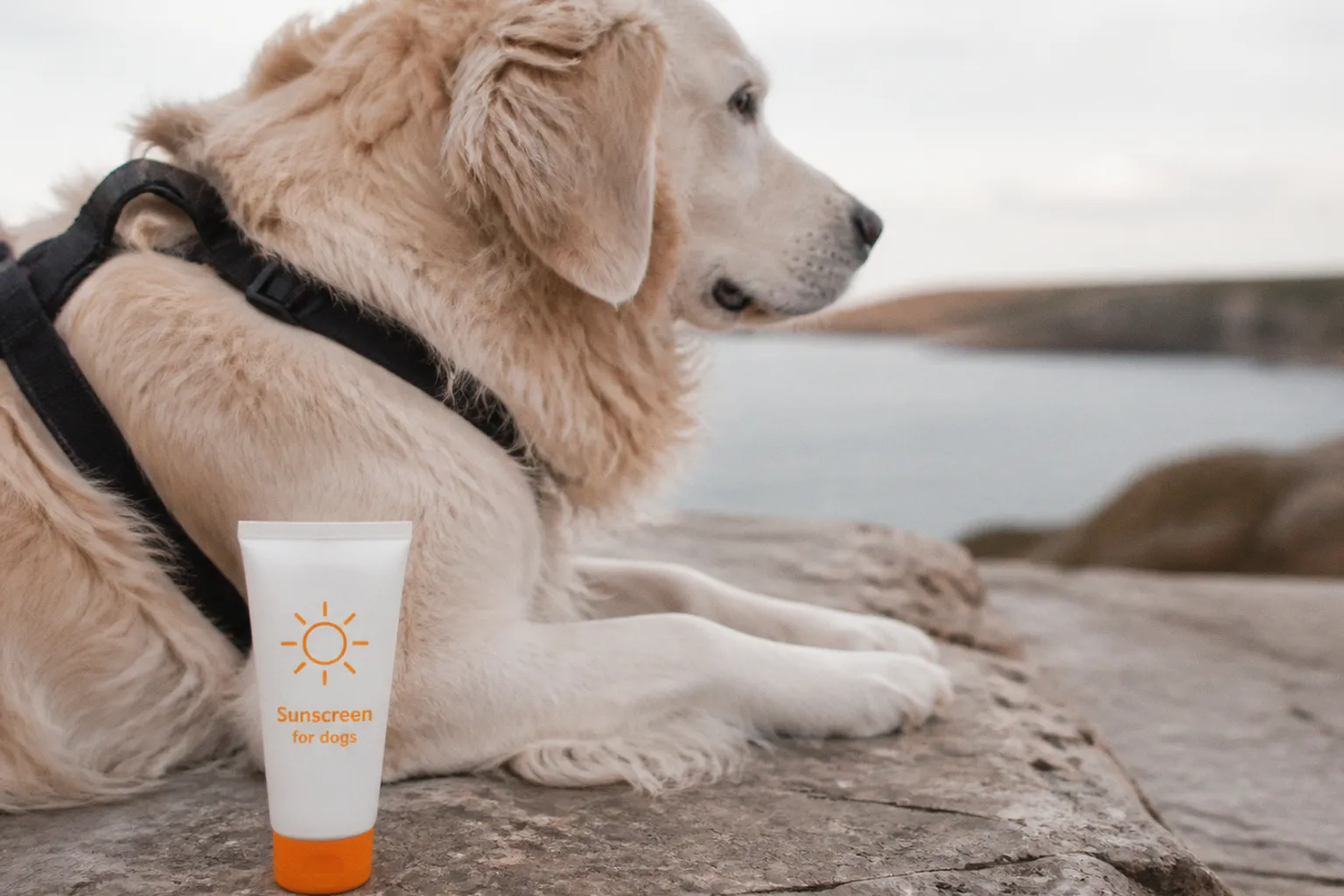
For handlers, walkers, and sitters, this shifts UV protection from optional gear to a parameter to screen before each outing. As reported, the gap between an adequate formula and an unsuitable one comes down to a short list of measurable safety criteria.
Risk profile: which dogs carry elevated UV exposure
Not every dog requires sunscreen. Screen for these parameters before assuming protection is needed:
- Coat and skin type. Thin coats, hairless breeds, and dogs with pink or unpigmented skin on the nose, ear margins, belly, and groin carry higher burn risk.
- Pigmentation mapping. Dark-coated dogs still show damage on lightly pigmented zones — nose bridge, eyelids, paw pads. Inspect these areas before walks.
- Dermatological history. Prior sunburn, scarring, or immune-mediated skin conditions raise the priority level.
- Age and activity. Puppies and seniors regulate heat less efficiently. High-exertion dogs on open terrain accumulate exposure faster.
If two or more parameters apply, sunscreen enters the required kit, not the optional one.
Selection criteria: what separates a viable formula
Business Insider's reported testing compared three formulas. Use this filter when evaluating any option:
- Spectrum. Broad-spectrum UVA and UVB. Anything narrower fails baseline.
- Vehicle safety. Zinc oxide and PABA are toxic if ingested. Avoid unless the product is explicitly labeled non-toxic after application and drying.
- Water resistance. Match the rated duration to the activity profile. A 40-minute walk requires less than a swim session.
- Reapplication interval. Verify against outing length. Products claiming all-day single-application coverage warrant skepticism.
- Format. Balm or stick for nose and ear margins. Lotion or spray for the belly and groin.
Field protocol and safety checklist
- Apply 15 minutes pre-exposure for absorption and drying.
- Block licking for 5–10 minutes post-application using harness control or brief distraction.
- Recheck coverage after water play or rolling.
- Inspect high-risk zones weekly for redness, scaling, or crusting.
- During walks, differentiate heat stress from surface burn. Sunburn presents as localized redness on lightly pigmented zones, not the panting and gait instability of thermal overload.
- Log any reaction by zone, product, and onset time for veterinary review.
Confirm before purchase: broad-spectrum label, no zinc oxide or PABA unless post-application safe, water resistance matching activity, format appropriate for target zones, reapplication interval operationally feasible for walk or sit duration.