Essential Heat Safety Protocols for Professional Dog Walkers and Sitters
According to a WJTV report out of Jackson, Mississippi, soaring temperatures demand extra precautions to keep dogs safe and comfortable.
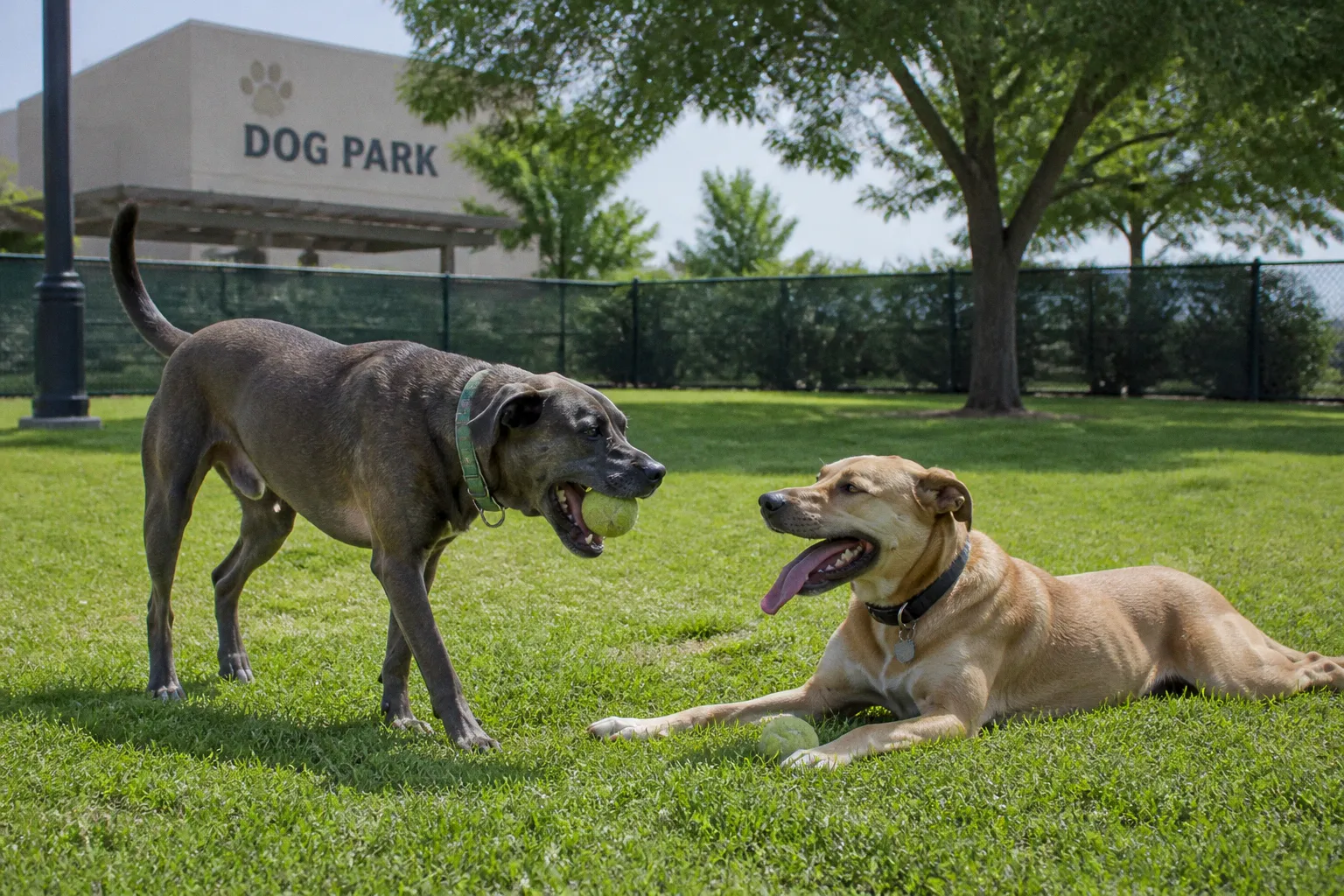
That warning lands differently when you're the professional holding the leash on a paid walk, or the one a client trusts to watch their animal through a heat wave. The gap between industry talk and what actually kills dogs in the heat is where the work lives.
The reality behind the leash
Most heat-related deaths aren't dramatic mid-stride collapses. They're slow builds: a dog that seems "a little off" after a walk, stops eating that evening, and slides into organ failure by morning. Pavement burns hide under fur. Dehydration masks as calm. Resource guarding around the water bowl spikes because the dog feels like garbage and someone keeps moving the bowl.
The industry loves to talk about "wellness checks" and "enrichment." Nobody talks about post-walk rectal thermometers, because that's the actual screening tool. It isn't cute. It works. If you're a professional walker or sitter, your liability isn't just the walk itself — it's the window between when you hand the dog back and when symptoms show.
What to actually do this week
Drop midday walks between 11 a.m. and 4 p.m. on heat advisory days. If a client pushes back, document the refusal in writing — your insurance carrier will want a paper trail, not a text thread.
Walk on grass or shaded surfaces only. Press the back of your hand to the pavement for seven seconds. If you can't hold it, the dog can't walk on it.
Carry a collapsible bowl and offer water every ten minutes. Don't wait for the dog to ask — heat-stressed dogs don't self-regulate intake the way owners assume. Watch for thick saliva, gums that feel tacky rather than slick, and any hesitation on stairs.
For sitters: kill the midday "zoomies in the yard" pitch in your marketing copy. A dog that won't move from shade is telling you something. A dog panting at 4 a.m. in an unaired room is telling you something louder.
Why Portugal just moved the goalposts
Separately, The Portugal News reports that Portugal has folded animal rescue and protection into its national civil protection framework — a new decree-law making emergency planning for pets a municipal-level legal duty rather than a charity favor. Municipal civil protection activities now include evacuation, sheltering, and provisioning of animals, with drills required, and animal welfare representatives added to national, district, and municipal commissions.
That matters because the next heat wave isn't just a walking problem — it's an evacuation problem, and the U.S. has no equivalent federal mandate. If you run a sitting business or volunteer with a rescue, the homework is building your own client-tiered evacuation list now: which animals leave first, who owns transport crates, who has a backup cooling site, who has a vet willing to triage during a heat-dome event. Do it while the sun is still an inconvenience instead of a crisis.