How to Find Safe Indoor Walking Routes for Dogs During Extreme Heat
According to Forbes, extreme heat is making some outdoor dog walks unsafe, increasing the value of indoor routes and controlled outings.
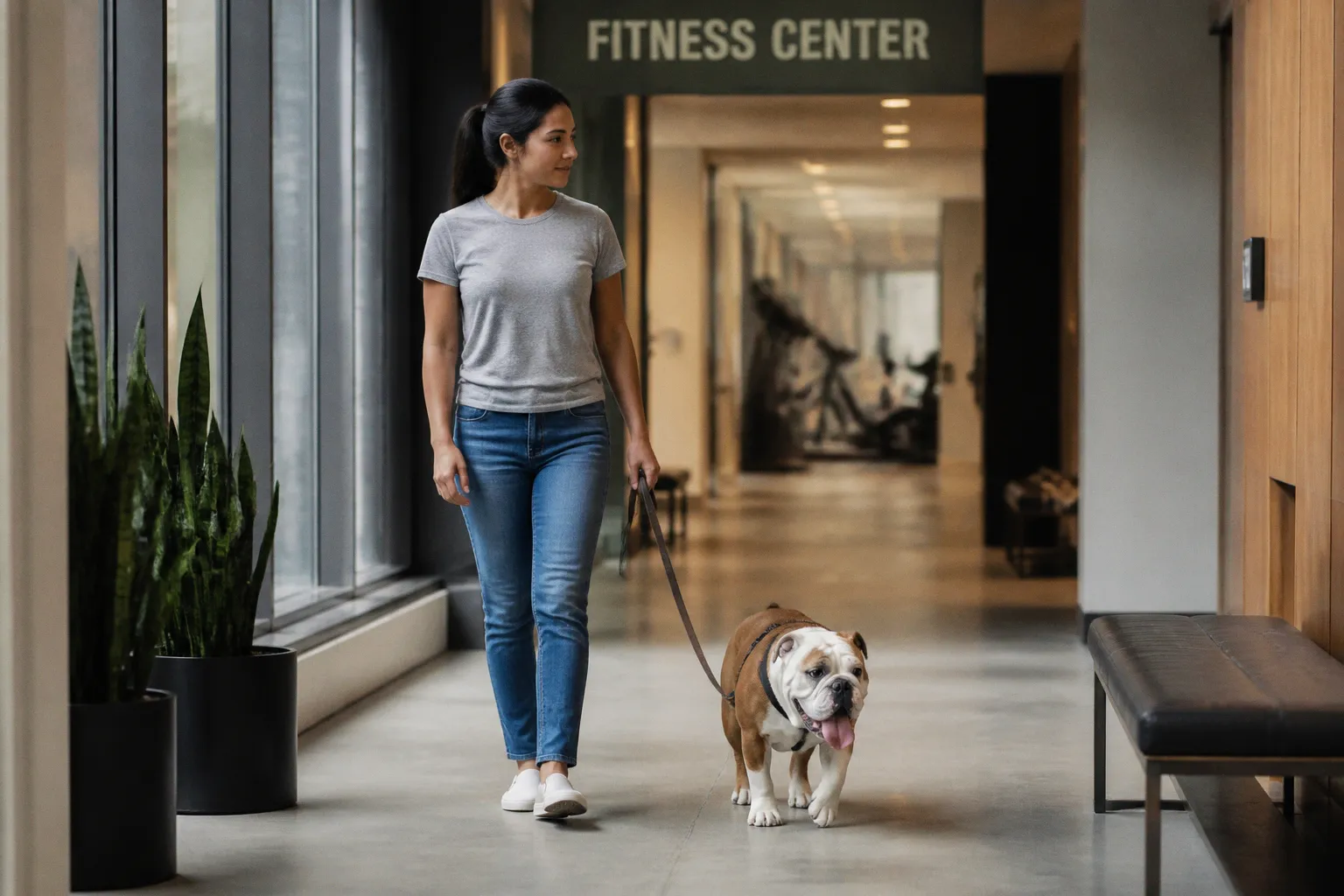
The report cites Beth Miller of Wagtown, who recommends researching local options before arriving with a dog and treating access to private businesses as a responsibility, not an entitlement. For professional walkers and pet sitters, the operational priority is clear: build a heat-weather route map before conditions deteriorate.
Select the route before leaving
Start with locations where dogs may already be accepted, but verify current rules. The options identified in the report include:
- Home-improvement stores. Long aisles and cleanable floors support controlled walking and reduce exposure to hot pavement.
- Pet stores. These are an obvious option, but the dog still needs to remain manageable around people, products, and other animals.
- Indoor malls. Watch for discarded food on the floor. Avoid escalators unless the dog has been trained to use them comfortably.
- Subaru dealerships. Miller identifies them as a likely option because of the company’s support for pet-focused organizations, including shelters and the ASPCA. This is not a substitute for confirming access at a specific location.
- Banks and real-estate offices. Call ahead. These businesses may have meetings, closings, or clients who do not want contact with a dog.
- Community centers and breweries without food service. Availability will depend on local policy and the individual venue.
Business rules can vary by city, state, and company. A location that permitted dogs previously may not permit them during every visit or in every area. The correct workflow is simple: call first, identify the entrance and walking area, and confirm whether the dog may enter under current conditions.
A useful starting point is businesses that sponsor or host events for local shelters and rescue organizations. That connection does not guarantee access. It can help identify organizations that are already familiar with dog-related community activity.
Control the exposure at the entrance
An indoor route does not eliminate heat risk. The parking lot and pavement remain part of the route.
Avoid hot asphalt. The Forbes report advises carrying the dog across exposed areas or using booties. Do not leave the dog in a car. These are baseline controls, not optional extras.
Pack a dedicated “go bag” containing:
- Water.
- A collapsible water bowl.
- Poop bags.
- Paper towels.
- High-value treats.
The supplies address hydration, cleanup, and behavior management. Treats can help maintain control in unfamiliar environments, but they do not replace gait analysis or handler judgment. If the dog shows reluctance, instability, escalating stress, or poor response to cues, shorten the route and remove the dog from the setting.
Indoor flooring also creates hazards. Monitor for food debris in malls and for slick or congested surfaces in commercial spaces. Keep the dog away from escalators unless its training has established a safe response. The kinetic chain is not the only concern: an unexpected surface or moving stairway can disrupt load distribution and cause a fall.
Build a repeatable heat-weather protocol
For walkers and sitters, the practical value of the report is not one approved destination. It is a preplanned network of alternatives.
Maintain a list of indoor possibilities in the service area. Record the business name, contact point, access conditions, and any restrictions communicated by staff. Recheck the list before a heat-weather shift. Do not rely on memory or on a previous visit.
If no suitable indoor destination is available, convert the home into an enrichment course. The source recommends this as an alternative when outdoor options are not safe or available. The objective is to replace mileage with controlled activity rather than forcing an exposure to heat.
Before each outing, confirm these parameters:
- The venue has been contacted or its current dog policy is known.
- The route minimizes time on hot asphalt.
- Water and cleanup supplies are packed.
- The dog can be controlled around people, food, and unfamiliar surfaces.
- Escalators are excluded unless the dog is trained for them.
- The dog will not be left in a vehicle.
- A home-based enrichment plan is available if the route fails.
The decision point is environmental, not habitual. If outdoor pavement presents a heat problem, switch routes. Safety depends on preparation, access verification, and handler control.