PetSuper Showcases AI-Powered Pet Ecosystem at IFA 2026
According to Markets Insider, PetSuper used its debut at IFA 2026 to present connected hardware and IoT platforms for automated pet health management.
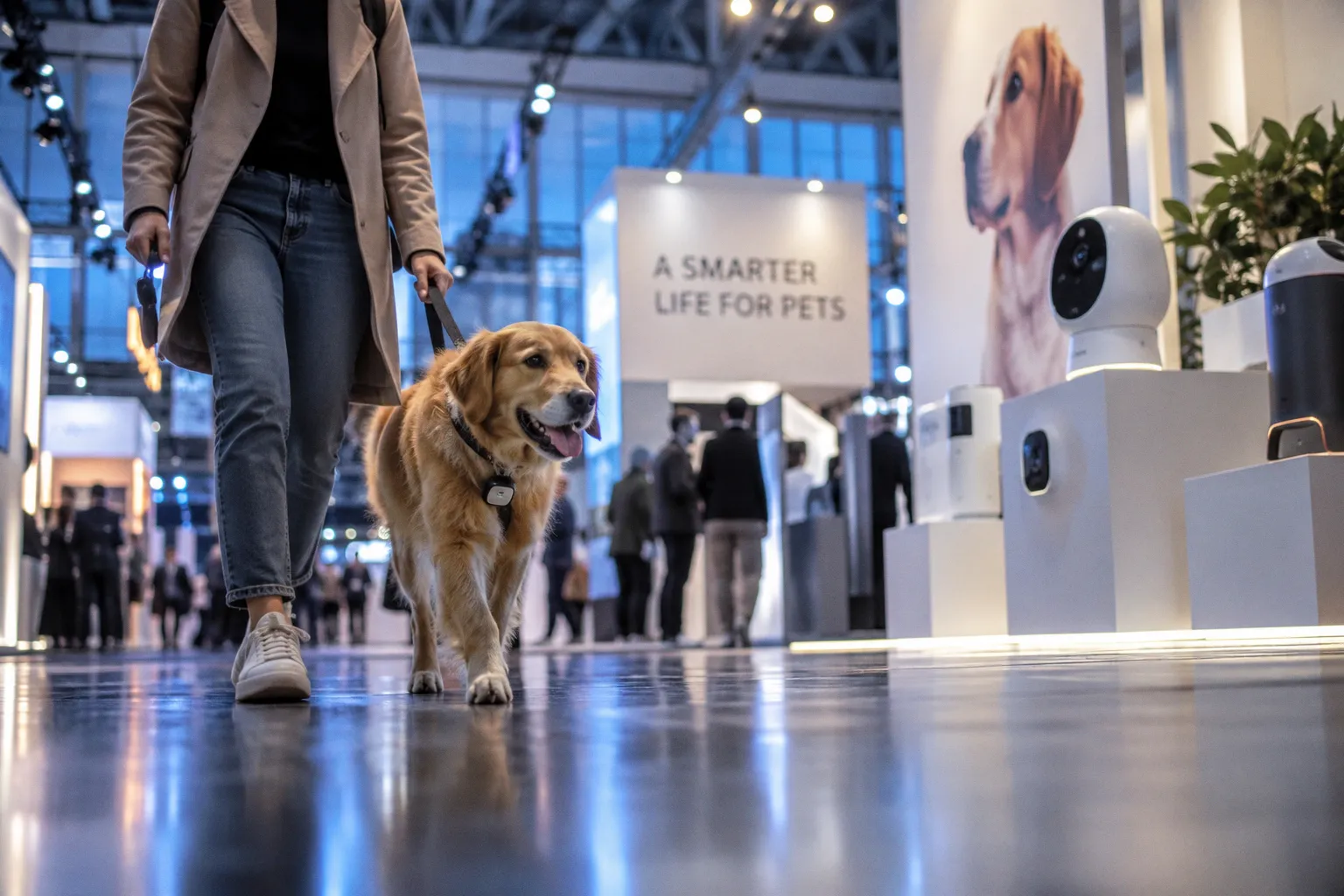
The system combines daily behavioral tracking with AI analysis for pet owners and professional caretakers. Newsfile Corp separately reported that Dreame Pet introduced nine smart monitoring and care products using intelligent sensing to track pet habits. For dog walkers and sitters, the relevant issue is not the hardware launch itself, but how behavioral data could affect handoffs, monitoring, and escalation decisions.
The operational change is continuous observation
Traditional dog-walking instructions are usually static: feeding time, medication schedule, preferred route, mobility limits, and emergency contacts. A connected monitoring system may add a changing behavioral record. The stated purpose of the PetSuper platform is to integrate daily tracking with AI analysis. Dreame Pet’s reported lineup is intended to convert observed habits into health and maintenance insights.
That creates a potential shift in the caretaker’s workflow:
- Before the visit, review the owner’s recorded baseline and current instructions.
- During the visit, compare the dog’s visible behavior with the information provided by the owner or platform.
- After the visit, document deviations in movement, routine, or activity.
- Escalate only through the owner’s established contact and care protocol.
The data may improve continuity between owners and professional caretakers. It does not remove the need for direct observation. A device can record behavior, but it does not establish why that behavior changed.
What professional caretakers should verify
The evidence does not specify PetSuper’s device models, sensor types, supported platforms, alert thresholds, or availability. It also does not establish that either system is designed specifically for dog walking operations. Treat the announcement as an ecosystem signal, not as a validated field protocol.
Before accepting connected monitoring as part of a service arrangement, verify the following:
- Data access: Who can view the tracking record: the owner, the sitter, the walking service, or another account?
- Handoff procedure: Is there a defined process for sharing relevant changes before the next visit?
- Alert meaning: Does an alert indicate an observed change, or does it trigger a confirmed health conclusion?
- Failure mode: What happens if the device loses power, connectivity, or position?
- Manual record: Can the caretaker add notes after a walk or sitting period?
- Response authority: Which person decides whether the owner, veterinarian, or emergency contact must be called?
- Privacy boundary: Is the system monitoring only the pet, or also activity inside the home?
These questions matter because automated tracking can alter load distribution across the care team. Owners may expect the platform to identify problems. Caretakers may be expected to interpret alerts. Neither expectation should remain undefined.
Relevance to gait and exercise management
For dog walking, behavior tracking could be useful as a reference for routine consistency. A change in activity may affect route selection, duration, rest intervals, and supervision. The practical value depends on whether the information is clear enough to support a decision without overstating what the system knows.
Use a simple troubleshooting tree:
1. The platform shows a change, but the dog appears normal.
Record the observation. Follow the owner’s instructions. Do not convert the alert into a diagnosis.
2. The dog’s visible behavior changes during the visit.
Reduce exercise demands according to the existing care plan, document the event, and contact the designated owner or coordinator.
3. The device and direct observation disagree repeatedly.
Treat the data stream as unreliable until the owner verifies the equipment and the baseline.
4. No data is available.
Revert to the written care instructions, direct supervision, and the agreed emergency pathway.
The key control remains the same: a connected platform can support situational awareness, but it does not replace gait analysis by a qualified professional, owner communication, or an established safety protocol.
Safety checklist
Before using AI-supported pet monitoring in a walking or sitting service, confirm:
- The owner has defined the device’s purpose.
- The caretaker knows which alerts require contact.
- Manual observations are recorded separately.
- Connectivity and power limitations are understood.
- No automated output is treated as a diagnosis.
- The written care plan remains usable without the platform.
- Escalation contacts and response authority are current.
PetSuper and Dreame Pet’s IFA 2026 announcements point toward more connected pet care. For professional services, adoption should follow workflow testing, not novelty.