How to Vet Professional Dog Walkers and Daycare Providers
According to the Kingsport Times News, the baseline screen for a dog walker or daycare is not branding, convenience, or activity claims.
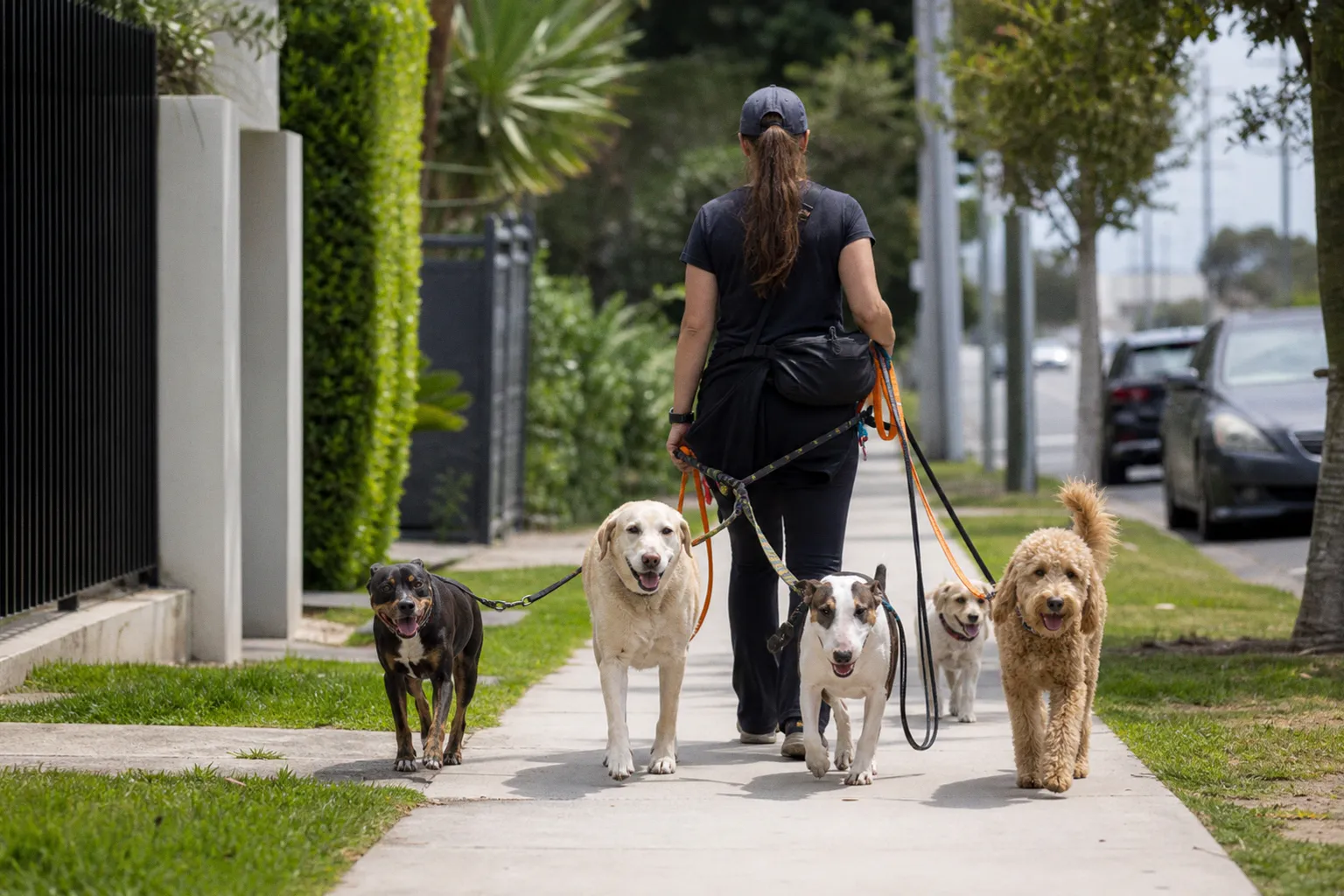
It is verification: commercial pet-sitting insurance and staff training. For dogs with pulling behaviour, a separate guide from Skellywags Dog Training also points to a controlled progression—start in low-distraction conditions before moving into busier walking environments.
The operational question is simple: can the provider document the conditions under which your dog will be handled? If the answer is vague, the service is not yet cleared for use.
Insurance and staff training are the first gate
Commercial pet-sitting insurance is a concrete item to verify before booking a walk, daycare placement, boarding stay, or training add-on. Do not treat a general assurance that the business is “covered” as verification. Ask the provider to identify its commercial pet-sitting insurance and confirm that it applies to the service being purchased.
Staff training requires the same direct approach. The Kingsport guide identifies it as a key selection factor, so the owner should establish:
- whether the person handling the dog has training;
- which service that training covers: walking, daycare, boarding, or training;
- whether the handler who conducts an introductory meeting will be the handler responsible for the dog;
- what information the provider needs from the owner before accepting the booking.
This is a risk-control check. A dog walker and a daycare are not interchangeable services. The handling environment, movement route, distraction level, and staff involvement may differ. Confirm the specific service, not only the business name.
Match the walk to the dog’s current lead skills
Skellywags Dog Training’s guidance on loose-lead walking sets out a useful operating sequence: begin in a low-distraction environment, then move to busier areas. This matters when hiring a walker.
A dog that is still pulling on lead should not be represented as ready for an increasingly demanding route merely because the walking slot is available. Ask the walker to describe the environment planned for the first walks. The relevant distinction is not “short” versus “long.” It is lower distraction versus busier conditions.
Use this decision tree:
- Dog pulls consistently: establish whether the walker can start in a low-distraction setting.
- Dog is being trained for loose-lead walking: confirm that the walker will not bypass that progression by immediately using busier locations.
- Daycare is also under consideration: separate the daycare decision from the walking decision. Confirm insurance and staff training for each relevant service.
- Provider cannot specify its handling setup: pause the booking until it can.
The available source material does not provide a universal route standard, staffing level, or timetable. Do not invent one. Obtain the provider’s actual plan and assess whether it matches the dog’s current lead behaviour.
Booking checklist
Before committing, verify these parameters:
- Commercial pet-sitting insurance is identified and relevant to the booked service.
- Staff training is confirmed rather than assumed.
- The service is defined: dog walking, daycare, boarding, training, or a combination.
- The planned walking environment is discussed.
- For a dog that pulls, the initial environment is low-distraction before busier conditions are introduced.
- Any unanswered question is resolved before handover.
This is not an administrative exercise. Insurance, training, and a controlled walking progression are the available checks that turn a generic service listing into a workable handling plan.