Pet Sitting vs. Boarding: Which Option Fits Your Dog?
You have a work trip booked for Thursday. Your sister has already volunteered to take the cat. The dog, though, is the question—and it is always a layered question. Boarding facilities promise round-the-clock staffing and structured socialization.
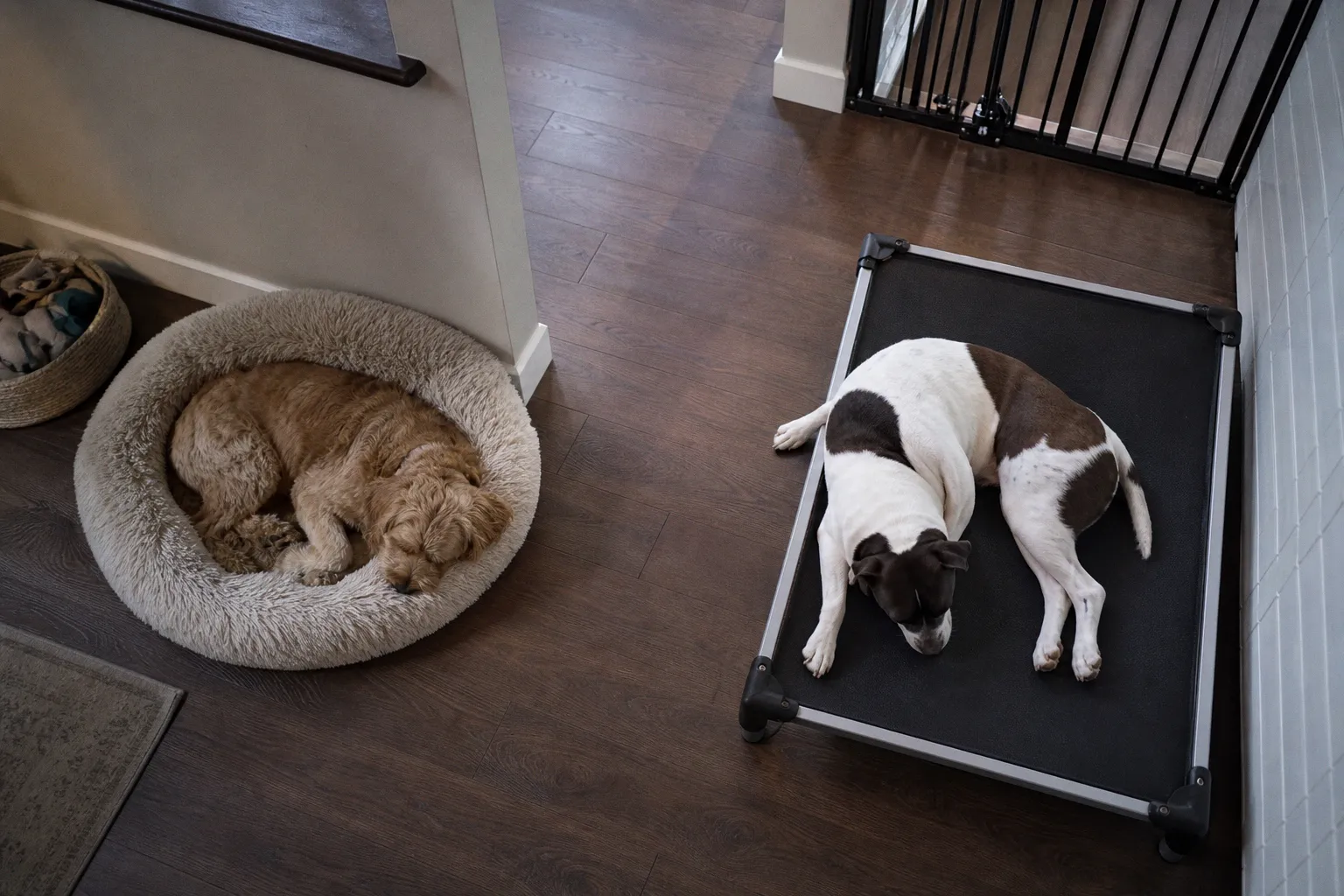
In-home pet sitting promises familiar surroundings and uninterrupted routines. Both are legitimate, professionally managed options. The right answer depends less on which service is “better” in the abstract and more on how your specific dog processes novelty, density of attention, and separation from you.
Compare car rental deals in United Kingdom
See available offersPartner link — DiscoverCars comparisonI have coordinated hundreds of overnight transitions across both models, and the same pattern keeps surfacing: owners who map the decision to their dog’s temperament and medical profile—rather than to price alone or to whichever facility is closest to the airport—come home to smoother reunions and fewer behavioral setbacks. The useful question is not, “Will my dog be fine?” Most dogs are resilient. It is, “What kind of care asks the least unnecessary adjustment from this dog?”
The Physiological Impact of Environment on Canine Stress
The first variable to weigh is invisible but measurable. Dogs entering unfamiliar environments with rotating handlers, communal acoustics, unfamiliar smells, and disrupted lighting cycles can experience a rise in stress during the early part of a stay. Cortisol is the body’s primary stress hormone, and sustained elevation can correlate with digestive upset, disrupted sleep, reduced appetite, immune strain, and the clingy or shut-down behavior owners sometimes misread as guilt.
A dog may not look panicked in a kennel and still be working very hard to adapt. Some become unusually quiet. Some refuse food for a meal or two. Others bark more, pace at the gate, drink less water, or come home exhausted but unable to settle. None of those signals automatically means a facility has failed. They mean the dog is communicating that the environment requires effort.
In-home care preserves much of the behavioral baseline your dog has already built into muscle memory: the spot on the sofa, the sound of the back gate, the familiar bowl, the predictable walk route, the exact rhythm of the household. Those familiarity anchors reduce the cognitive work of adapting. For dogs with documented separation anxiety, geriatric dogs, recently adopted rescues, or dogs recovering from surgery, that continuity can matter enormously. The margin between “managing” and “regressing” is often not dramatic. It may show up as one skipped meal, one difficult night, or a return of behavior you thought had finally softened.
Boarding is not physiologically wrong for every dog, though. Highly social adolescents and young adults who already enjoy daycare-style environments can thrive in the structured energy of a well-run facility. These dogs often understand the social grammar of group play, tolerate handler changes, and recover well from a busy day because activity itself is rewarding to them.
The difference is baseline temperament. A dog who has spent happy afternoons at daycare is not entering boarding as a complete unknown. A dog whose daily world is a quiet home, one familiar person, and a carefully managed walk may experience the same building very differently.
Familiarity anchors do most of the calming work before any sitter or staff member walks through the door.
The practical distinction matters in any comparison of in home pet care vs overnight boarding options. Home-based care is not merely “more comfortable” in a vague emotional sense. For the right dog, it removes several stressors at once: transport, a novel sleep location, unfamiliar feeding conditions, and the need to interpret a new social environment. Boarding, meanwhile, can be the more comfortable choice for a dog whose confidence is built through routine interaction with people and other dogs.
There is also a difference between boredom and distress. A dog may be a little bored during a quiet afternoon at home with a sitter between visits; that is not automatically a welfare problem. A dog who cannot settle, will not eat, repeatedly eliminates indoors despite being house-trained, or returns from a stay unable to rest has had a more consequential experience. The goal is not to create a vacation brochure version of your dog’s normal life. It is to preserve enough of their ordinary rhythm that your absence does not become an unnecessary endurance test.
Financial Realities: Comparing 2026 Boarding and Sitting Rates
Cost is where most owners begin the comparison, and rightly so. It is the variable you can quantify before committing, even if it should not be the only one. The 2026 landscape in the United States looks roughly like this for a single dog:
| Care Option | Typical 2026 Rate | What Drives the Price |
|---|---|---|
| Standard dog boarding facility | $35–$85 per night | Dog-to-staff ratio, facility amenities, regional cost of living |
| Luxury boarding facility | $75–$150+ per night | Private suites, webcam access, spa add-ons, lower staff ratios |
| Overnight pet sitting at sitter’s home | $25–$45 per night | Sitter experience, additional pets in the household, holiday windows |
| Drop-in visits at your home | Varies by visit length and market | Number of pets, holiday surcharges, medication needs, travel time |
| 24-hour in-home live-in care | Negotiated, often $75–$150+ per day | Continuous presence, overnight care, household duties included |
The table is useful, but it can also mislead if you stop reading there. A boarding rate is generally quoted per night. Drop-in care is generally quoted per visit, with the actual price shaped by how long the sitter is expected to stay and what must happen during that visit. Live-in care may be quoted by the day, by the night, or through a custom agreement that includes a defined number of hours away from the home. Those are not interchangeable units.
A dog who needs three visits a day—morning, midday, and evening—can reach or exceed boarding-level costs quickly. A dog who only needs two calm visits, a walk, and a late-night potty break may be less expensive to keep at home. Add a second dog, medication, holiday timing, transport, or a sitter who must remain overnight, and the arithmetic changes again.
The phrase “overnight sitting” deserves a closer look here, because it is often used loosely. One provider may mean they sleep in your home and leave for ordinary daytime appointments. Another may mean a fixed evening-to-morning block, with daytime visits booked separately. A third may offer genuine live-in coverage but charge accordingly because the sitter is giving up the ability to take other work. Before comparing totals, ask for the actual schedule in plain language: arrival time, departure time, expected absences, walk count, and whether the dog is ever left overnight.
Medical care is where the advertised rate most often stops being the actual rate. Insulin injections, subcutaneous fluids, post-operative monitoring, and even routine pill administration in some markets can carry surcharges in both models. Good providers will not be offended when you ask for a written estimate that includes the medication schedule, feeding instructions, mobility needs, and any behavior that affects handling time. In fact, the clarity helps them price the job honestly.
It is also worth naming a common misconception directly: in-home sitting is not categorically cheaper than boarding. A longer trip with multiple daily visits, overnight coverage, and specialized medical care can easily cost more than standard boarding. On the other hand, boarding’s lower nightly figure can lose its appeal if a dog needs a private suite, individual play sessions, or a veterinary-affiliated facility to stay comfortable.
The honest framing is that these services price differently, not that one is universally lighter on the wallet. The number that matters is the total trip cost for your specific dog—not the most attractive headline rate on a booking page.
The Role of Professional Credentials in Home-Based Care
Because in-home pet sitting operates largely outside the regulatory framework that governs commercial boarding facilities, credentials become one of the clearest early signals of competence. They are not a substitute for experience with your dog, but they do tell you whether the person has invested in the basics of professional animal care rather than simply deciding they like dogs.
Pet Sitters International, founded in 1994, administers the Certified Professional Pet Sitter credential. Its examination covers canine and feline behavior, nutrition, preventive health, business operations, and emergency-response protocols. The National Association of Professional Pet Sitters offers a parallel certification, with overlapping core animal-care instruction and additional emphasis on matters such as zoonotic disease prevention and client communication.
Both credentials are voluntary. There is no universal state or federal requirement that every pet sitter hold one before operating a business. That voluntary status is precisely why they can carry useful signal value. A sitter who has pursued training and assessment has demonstrated baseline literacy in medication handling, body-language interpretation, safe entry and exit procedures, and the documentation that becomes crucial if something goes wrong while you are away.
Still, professional pet sitting vs kennels is not a contest that credentials alone can settle. A beautifully credentialed sitter who has never handled a dog with barrier frustration, seizure monitoring needs, or intense stranger anxiety may not be the right match. Likewise, a boarding facility with excellent staff training may offer stronger overnight oversight than a solo sitter can reasonably provide.
When speaking with an in-home provider, listen for specifics rather than polished reassurance. A serious sitter should be able to explain:
- how they document medication administration and missed doses;
- what happens if your dog refuses a meal or appears unwell;
- whether they have a backup sitter and how that person is introduced;
- how they manage keys, alarms, door security, and escape prevention;
- when they would contact you, and when they would contact your veterinarian first;
- whether they carry commercial liability insurance and bonding appropriate to their service model.
Ask when a credential was earned and whether continuing education is part of the sitter’s practice. Animal care guidance changes. So do the practical expectations around client communication, sanitation, and safety documentation. The point is not to interrogate someone into submission. The point is to learn whether their calm confidence rests on a real operating system.
Certifications are voluntary, which is exactly why they can function as a useful filter.
The same principle applies to boarding facilities. Ask about staff training, overnight staffing, vaccination policies, dog grouping practices, emergency transport, and whether a veterinarian is on site or on call. “We love animals” is a pleasant sentiment. It is not an emergency protocol.
A meaningful meet-and-greet can reveal more than a polished website. At home, notice whether the sitter asks where your dog rests, what they do when startled, which door is safest for leashing, and whether there are handling sensitivities around paws, collars, food, or unfamiliar men. At a facility, watch whether staff members can tell the difference between a dog who is eager to join group play and one who is merely enduring it. Good care begins with observation, not confidence theater.
Operational Transparency: How Modern Software Tracks Pet Safety
The pet sitting industry has quietly professionalized its back office over the past decade, and that shift deserves direct attention from owners. Platforms such as Time To Pet, Pet Sitter Plus, and Scout can handle scheduling, automated invoicing, GPS-verified check-ins, and centralized pet profiles that travel with the sitter to each visit.
Practically, this means that when a sitter completes a midday drop-in at your home, you may receive a timestamped note with a location confirmation, photos of your dog, and a short record of what actually happened: water refreshed, medication administered, walk completed, appetite normal, stool normal, gate secured.
That record is more meaningful than a cheerful text saying, “All good!” It creates continuity across visits and across staff members. If you have a multi-pet household with different dietary restrictions, mobility limitations, or medication schedules, software-based profiles reduce the chance that critical details live only on a kitchen sticky note or in a rushed driveway conversation.
A strong visit report should say enough to be useful without becoming performative. For a healthy dog, that may mean a note about energy, appetite, elimination, play, and any deviation from routine. For a dog with medical needs, it should document the relevant care with more precision: medication given, food consumed, mobility observed, symptoms noted, and whether the veterinarian or owner was contacted.
This is not the same as a webcam feed in a boarding kennel. The granularity is different. Webcams show a continuous stream that you may or may not have time to watch; visit logs show discrete, accountable moments that build a verifiable record. For owners managing chronic conditions, that distinction matters. It can turn “I hope everything went okay” into a documented timeline you can share with your veterinarian if the dog seems off after you return.
Transparency is not limited to software, either. At a boarding facility, it may look like clear group-play policies, direct answers about staff coverage, an explanation of where dogs sleep, and honest disclosure when a dog has had a difficult day. The best providers do not use updates to sell a fantasy of constant happiness. They use them to show that someone is observing your dog closely.
When you interview a sitter, ask which platform they use and request a redacted sample visit report. Most professionals will be happy to show you the shape of their communication. A provider who works through a paper notebook or personal text thread is not automatically unsafe, but the burden of trust shifts more heavily onto your own references, observation, and follow-up.
The same applies to the practical handoff. A responsible provider should want a written care profile that covers feeding amounts, veterinary contact details, medication instructions, emergency authorization, preferred walking equipment, triggers, and the small pieces of information that prevent avoidable confusion. If your dog cannot be approached while chewing a high-value treat, that is not an embarrassing detail to omit. It is safety information. If they need a particular phrase before leaving the house, write it down. The best systems make room for the dog’s quirks instead of treating them as inconvenient exceptions.
Matching Care Styles to Your Dog’s Unique Temperament
The final layer of the decision is the one you know best and the one that matters most: your dog as an individual. Labels help only if they lead back to the dog in front of you.
The routine-dependent dog—often a senior, a recently adopted rescue still decompressing, or any dog on timed medication—usually benefits from care at home. The daily anchors stay in place. Meals happen in the same location. Medication is administered in the same kitchen. The walk begins at the same door. Travel is the disruption; keeping every other variable steady is the compensation.
The social generalist—often a young adult with a documented history of successful daycare attendance—may do well in either model and may genuinely prefer the stimulation of a well-run facility. These are the dogs who return from boarding physically tired and emotionally even, rather than overstimulated and frayed. The distinction is not breed label alone. Sporting, herding, and working breeds can be social generalists, but so can mixed-breed dogs with confident, flexible temperaments. And plenty of dogs from those same breeds would rather sleep in their own hallway than share a building with a dozen unfamiliar dogs.
The medically complex dog—the diabetic, the post-surgical patient, the senior with declining mobility, the dog on a layered supplement and medication schedule—usually belongs in a model that allows for continuity and clear documentation. Often, that is in-home care with a thoroughly briefed sitter and veterinary backup. In some cases, a veterinary-affiliated boarding facility is the stronger choice, particularly when monitoring needs exceed what a sitter can safely provide overnight.
The environmentally sensitive dog deserves a category of its own. This is the dog who startles at unfamiliar HVAC noises, stops eating when visitors arrive, reacts to other dogs behind barriers, or needs several quiet days to recover after a family gathering. For them, the best overnight pet care for anxious dogs is often the option that reduces environmental change rather than trying to train resilience during your absence. A calm, capable sitter in the home can be far more valuable than a facility with elaborate amenities.
A simple decision process has held up well across hundreds of placements:
1. List your dog’s three non-negotiable daily anchors. These may be medication timing, a particular walk route, a quiet sleeping arrangement, a specific feeding rhythm, or distance from other dogs.
2. Identify the dog’s most reliable stress signals. Do they stop eating, pace, vocalize, guard resources, hide, become clingy, or lose bowel regularity?
3. Ask each provider how they would handle those exact conditions—not how they handle dogs in general.
4. Choose the setting that preserves the important anchors without asking your dog to overcome several new challenges at once.
5. Build a trial before the long trip whenever possible: a short boarding stay, a daytime sitter visit, or one overnight with the chosen caregiver can reveal more than a flawless meet-and-greet.
This is where the broad category of pet boarding alternatives becomes useful. The choice is not always limited to a large commercial facility or one person staying in your home. Some dogs do well boarding in a sitter’s home with a small number of resident animals. Some benefit from a hybrid arrangement: daytime care at home and overnight care at a facility with veterinary support. Others need the quiet predictability of drop-in visits, provided their toileting schedule, exercise needs, and comfort with alone time make that arrangement humane.
The care style has to fit the dog, not the owner’s fantasy of what a dog ought to enjoy. A social dog is not automatically a dog who wants group play. An independent dog is not automatically content with brief visits. A dog who sleeps quietly after boarding is not necessarily relaxed; they may simply be depleted. Look at the whole return-home picture: appetite, bowel habits, sleep, response to normal routines, and the speed with which they become themselves again.
The best arrangement is the one that asks your dog to be the least adaptable version of themselves while you are away.
A good boarding facility and a good in-home sitter solve different problems. Boarding can provide structured supervision, trained staff, and a level of overnight support that some dogs genuinely need. In-home care can protect routine, reduce environmental stress, and make a difficult separation feel less disruptive. Neither option earns the win by default.
Choose the provider who understands your dog’s actual thresholds, can describe their procedures without hand-waving, and treats the details of your dog’s life as operational information rather than sentimental trivia. Your dog does not need a luxury experience. They need care that is steady, observant, and built around the way they already know how to feel safe.