Addressing Canine Behavioral Challenges to Prevent Shelter Surrenders in Tampa
According to an EIN Presswire release, All Dogs Unleashed Tampa is focusing on dog behaviors linked to returns to shelters as Tampa Bay facilities reach capacity and turn away some surrender requests.
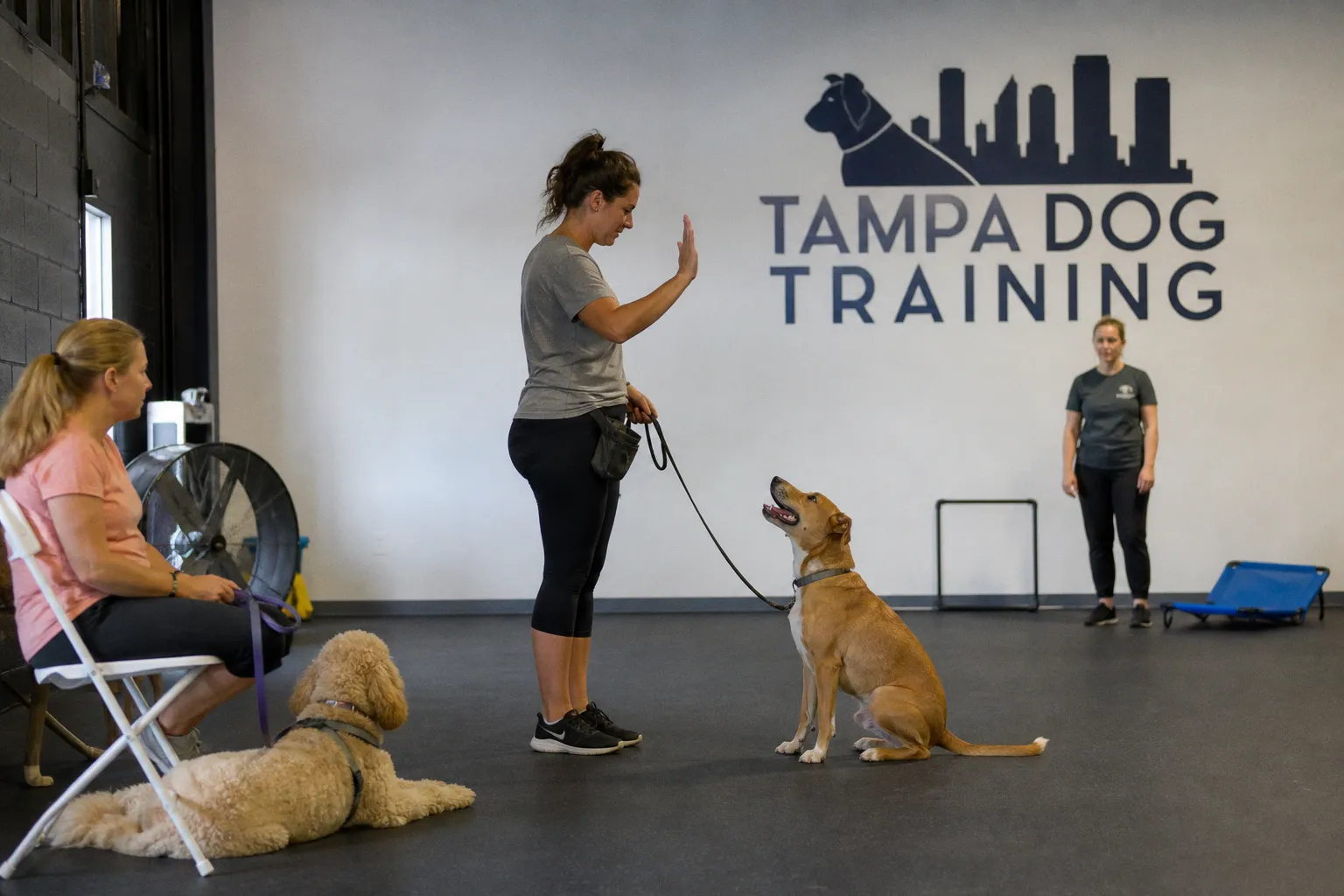
All Dogs Unleashed Tampa Tackles Behavior Issues Driving Spring Pet Surrenders
The report does not provide a behavior list, case count, or outcome data. For dog walkers and pet sitters, the operational issue is clear: behavior information must be collected before a service begins, not after an incident.
The same news cycle includes an EIN News item stating that All Dogs Unleashed Dog Training Tampa was named BusinessRate’s Best of 2026 Dog Trainer. That claim is separate from the shelter-capacity report and should be treated as an attributed recognition, not independent evidence of training outcomes.
What the report establishes
The available release identifies three points:
- Tampa Bay shelters are described as being at capacity.
- Some shelters are turning away surrender requests.
- All Dogs Unleashed Tampa is addressing behaviors that, according to the release, commonly contribute to dogs being returned to shelters.
It does not establish how many dogs are involved, which behaviors are most prevalent, how the trainer measures improvement, or whether training has reduced shelter returns. Those details remain unreported in the available material.
That distinction matters for service decisions. A training announcement can identify a local pressure point without proving that a specific intervention is effective for every dog. A sitter or walker still needs a dog-specific risk profile, handling plan, and escalation route.
The handoff problem for walkers and sitters
Behavior concerns often become operational failures during routine care. The issue is not limited to formal training. A dog may be manageable for its owner but present a different risk when handled by a new person, moved through a shared entrance, exposed to another dog, or asked to tolerate equipment.
Before accepting a booking, record the following in direct, testable terms:
- Has the dog bitten, snapped, lunged, escaped, or caused a person to fall?
- Does the dog react to people, dogs, bicycles, vehicles, doors, food, handling, or confinement?
- What equipment is currently used, and can the owner demonstrate its correct fit and operation?
- Which commands or cues work reliably outside the home?
- What situations have previously ended a walk or required emergency intervention?
- Who is authorized to make decisions if the dog cannot be safely handled?
Avoid vague labels such as “protective,” “strong,” or “a little reactive.” They do not define load distribution, distance thresholds, or handler requirements. A usable profile describes the trigger, the dog’s response, the environment, and the action that stops escalation.
What to verify before service starts
A professional walker or sitter should not treat a training referral as a substitute for an intake assessment. Use a controlled meet-and-greet and document the result. If the dog cannot be safely transferred from owner to provider, do not proceed directly to an unsupervised booking.
The minimum safety review is:
1. Observe the dog entering and leaving the property.
2. Confirm whether the handler can attach and remove equipment without conflict.
3. Test the planned route or service area for known exposure points.
4. Establish a stop condition for refusal, escalation, escape risk, or loss of physical control.
5. Keep the first assignment limited until the dog’s gait, arousal level, and response to handling are documented in the actual care environment.
For dogs with a reported bite history or severe handling response, the provider should require a written management plan from the owner and define whether the service is appropriate at all. Do not improvise restraint techniques or alter equipment without competent instruction.
The practical takeaway from the Tampa report is narrow but important: shelter capacity raises the cost of preventable behavior failures. Before the first walk or sitting visit, confirm the dog’s triggers, handling limits, equipment, and emergency contact. If any of those parameters are unknown, the booking is not ready for unsupervised care.