Why Veterinary Experts Insist on Dedicated Beds for Canine Rest
A dedicated dog bed is not optional equipment—it is a recovery surface that supports rest quality and behavioral regulation, according to veterinary experts cited by NBC News.
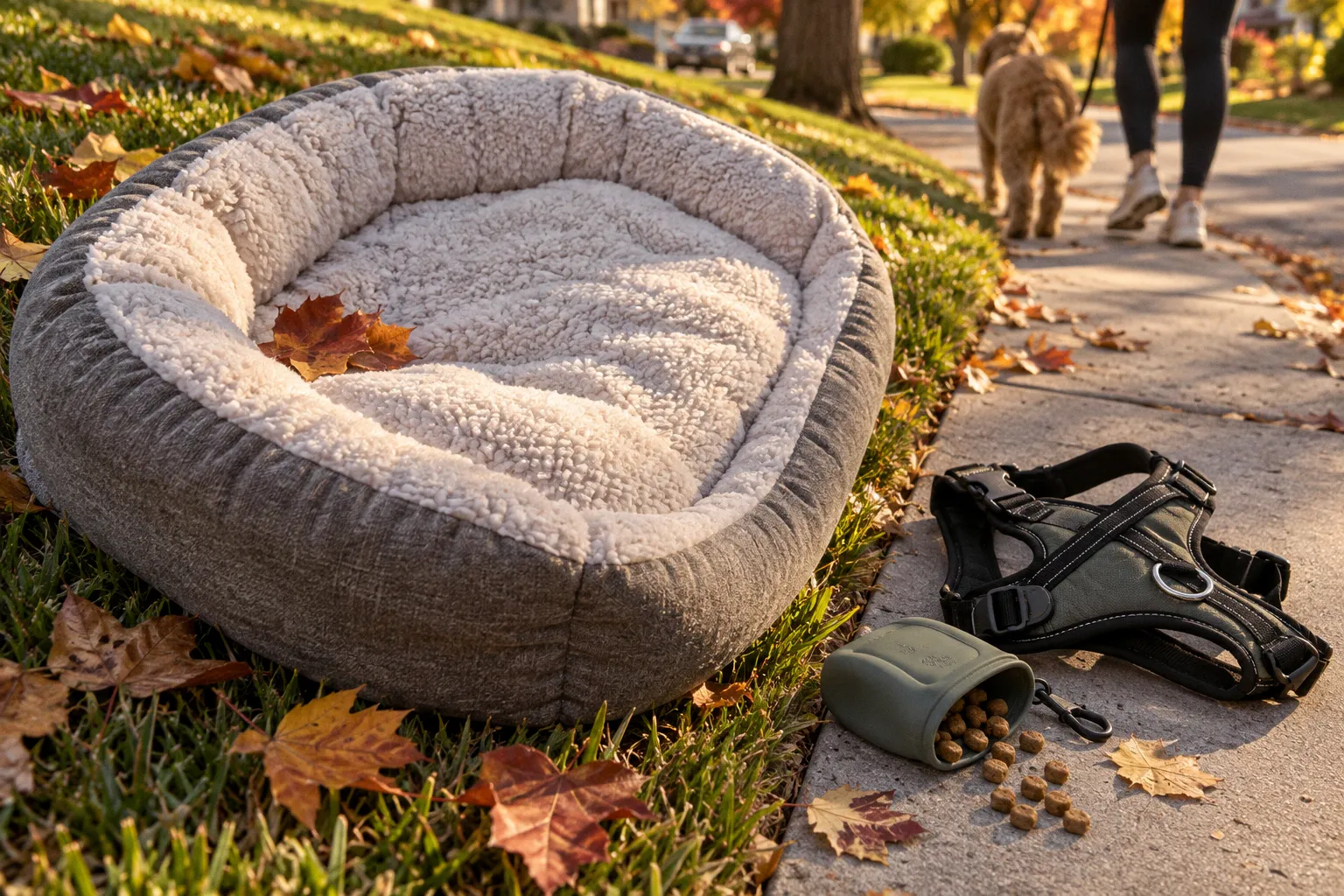
For pet sitters and dog walkers managing dogs in-home or during daytime visits, this matters: the rest architecture a dog returns to directly conditions the next activity cycle.
Why a Dedicated Bed Matters
NBC News reporting notes that vets recommend giving dogs their own sleep space to ensure both owner and animal rest well. The bed also serves as a fixed location for naps and solitude throughout the day—particularly relevant when a sitter is managing separation intervals or rotating dogs through a shared care environment.
According to the NBC News coverage, a properly specified dog bed can remain serviceable for several years, provided the dog does not destroy it. That durability window is significant for professional sitters standardizing setups across multiple clients.
Specifications to Verify
Dr. Joe Wakshlag, professor of clinical nutrition and sports medicine and rehabilitation at Cornell College of Veterinary Medicine, identifies the Casper Dog Bed as a safe pick for most dogs. Other expert-reviewed options in the NBC News coverage share these baseline parameters:
- Cover: removable and machine-washable
- Fill: quilted mattress or memory foam core
- Fabric: breathable construction for temperature regulation
- Geometry: bolstered sides or raised sidewalls; rectangular shape accommodating full-body stretch
- Sizing: multiple size options to match dog morphology
For sitter-managed environments, the breathable fabric and washable cover carry the highest operational weight. Thermal regulation prevents overheating in larger breeds during midday rest; cleanability controls odor and pathogen load across dog rotations.
Provider Protocol
When a dog enters your care—whether for a walk, drop-in, or overnight—run this checklist:
- Confirm an assigned bed exists on premises and the dog voluntarily uses it
- Inspect fill for compression, bolsters for tears, cover for hygiene failure
- Verify size adequacy: dog must stretch fully and change position without limb overhang
- Observe the first 60 seconds after the dog rises; flag any hesitation, stiffness, or altered gait
- Document the bed condition and any behavioral notes for the owner
A dog that abandons the assigned surface or rises with visible discomfort is reporting a problem. Adjust the setup, notify the owner, or escalate to a veterinary consultation.