Identifying Hidden Parasite Risks in Dogs and Their Zoonotic Threat to Humans
Echinococcus travels from wild canids to dogs to humans—and standard fecal exams miss it.
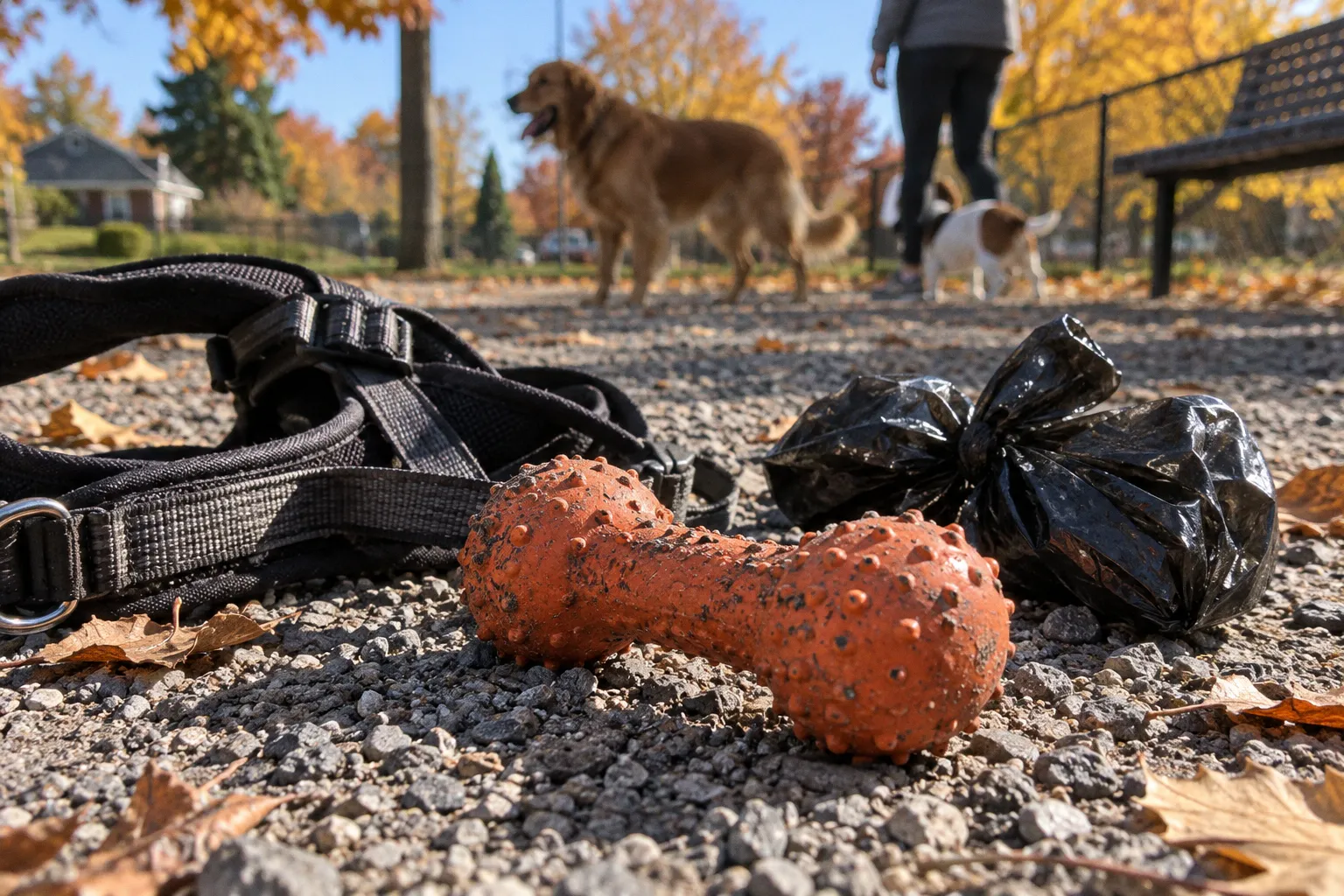
A Penn State team, working with Antech Diagnostics, processed 27,302 samples through a molecular panel and detected the tapeworm where microscopy could not.
Researchers led by Justin Brown, associate teaching professor of veterinary and biomedical sciences at the College of Agricultural Sciences, published the findings in the journal One Health, as reported by Phys.org. The work establishes a concrete diagnostic gap on zoonotic gastrointestinal parasites—a gap professional handlers need to account for directly.
Sample distribution: 26,981 pet dogs, 59 hunting dogs, and 262 wild canids, all collected in Pennsylvania. The assay, KeyScreen GI Parasite PCR, screens for 20 gastrointestinal parasites and had previously shown higher sensitivity than traditional fecal flotation for domestic dogs and cats.
Why Echinococcus is the operational target
Adult Echinococcus worms measure 2 to 7 millimeters (0.08 to 0.28 inches); eggs are visually indistinguishable from common tapeworm ova. Wild and domestic dogs carry the tapeworm with minimal or no clinical signs. In humans the same infection can lodge in lung or liver tissue—and Brown, in the published study, describes those infections as "complicated to diagnose or treat." Pennsylvania wild canid prevalence is reported as low, yet the team concludes that veterinarians, pet owners, hunters, and trappers must treat the parasite as present in the state.
Wildlife-tier signal ran highest. Echinococcus was the headline finding in wild canids—only recently confirmed circulating in Pennsylvania. Hunting dogs registered elevated hookworm and whipworm loads relative to pet dogs. Pet dogs occupied the lowest parasite tier of the three.
Field parameters for handlers
- Screen working and outdoor dogs with PCR, not microscopy. Microscopy routinely fails on Echinococcus.
- Set deworming cadence to exposure profile: hunting season, livestock property access, and contact range with coyotes or foxes shift the baseline.
- Treat any dog with confirmed wildlife contact as Echinococcus-suspect on intake.
- Quarantine fecal handling. Handwashing alone is insufficient against tapeworm egg persistence; surface decontamination protocols are required.
- Diet context: parallel reporting by Bioengineer.org flags raw dog food for scrutiny on nutrition, pathogens, and One Health risks; full study details were not available in the public snippet at time of writing.
The diagnostic pivot is the immediate operational lever. Onboarding a hunting dog or any outdoor-working canine without molecular confirmation leaves a detection gap at the human end of the chain.