How Midday Professional Dog Walking Cuts Destructive Behaviors
According to ScienceDaily, research published in the Journal of Veterinary Behavior found a 40% decrease in destructive behaviors among dogs with midday professional walkers.
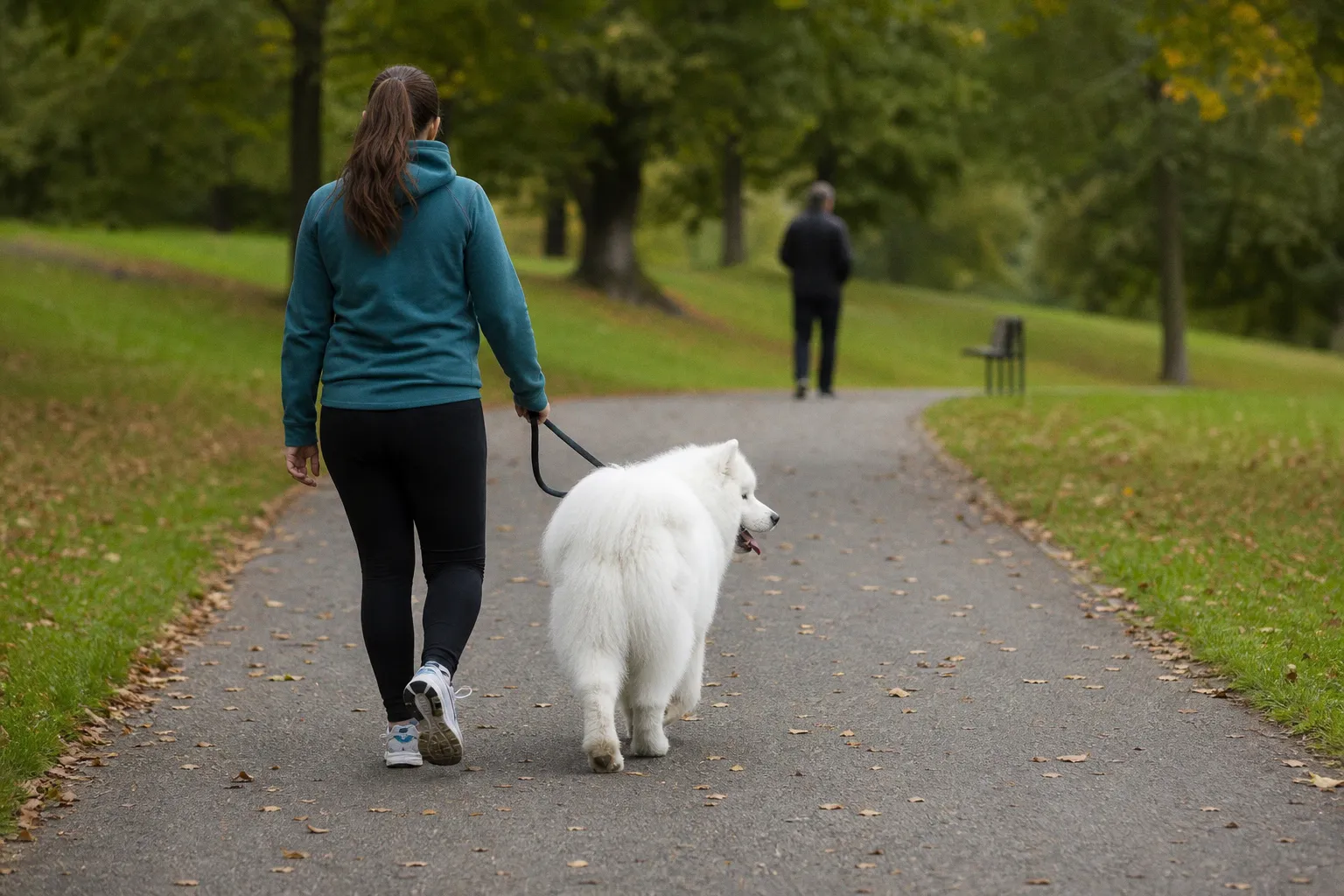
That is a useful operational signal for households managing dogs left alone during the workday. It is not, from the information available, a diagnosis or treatment protocol for separation anxiety.
The relevant variable is the midday gap
A professional walk changes the day’s load distribution. It breaks a long period of confinement into two shorter blocks and adds structured movement between them.
The reported outcome is destructive behavior. That matters because chewed fixtures, damaged doors, or shredded bedding are often treated as isolated discipline problems. They may instead indicate that the dog’s daily routine is poorly matched to its activity, elimination, and recovery requirements.
Do not overread the result.
- The available report does not specify the dogs’ ages, health status, breeds, walk duration, route type, or handler-to-dog ratio.
- It does not establish that every destructive behavior is separation anxiety.
- It does not show that a walk alone resolves distress when the owner departs.
The measurable point is narrower: a midday professional walking arrangement was associated with a substantial reduction in destructive behavior in the reported research.
A walking service is a handling system
For an owner, “midday walk” is not enough information. The safety value depends on execution.
Use a short screening tree before booking:
- Collection: Who enters the home, and how is access controlled?
- Handler continuity: Will the same person handle the dog consistently, or is assignment variable?
- Group size: Is the dog walked alone or with others? If grouped, how are size, gait, arousal level, and social compatibility matched?
- Equipment: What collar, harness, lead, and backup attachment are used? The answer should be specific.
- Environment: Are routes selected for surface condition, traffic exposure, weather, and escape risk?
- Return protocol: Is the dog given water, settled safely, and checked before the handler leaves?
- Reporting: Will the walker document elimination, gait changes, incidents, and abnormal behavior?
Structured exercise is not simply distance covered. A dog pulled through an unsuitable group walk can accumulate leash load, thermal stress, and social pressure. That is not a useful interruption to the day.
What to monitor after the schedule changes
Set a baseline before changing the routine. Record the condition of the entry area, bedding, doors, and other usual damage sites. Then track the same points after the midday visit begins.
Watch for:
- damage concentrated around exits or barriers;
- changes in elimination indoors;
- reduced willingness to walk, altered gait, or post-walk fatigue;
- signs that the dog returns more activated rather than able to settle;
- repeated equipment rubs or pressure marks.
The practical target is not exhaustion. It is a stable daily sequence: departure, safe activity, return, recovery. The reported research gives owners a reason to examine that sequence rather than treating damage as a simple training failure.
Safety parameters: verified handler; compatible walking format; correctly fitted equipment; weather-appropriate route; documented return check; ongoing behavior and gait monitoring.