How to Keep Your Dog Active and Engaged in Charleston
The Post and Courier guide lists five options, but the list is a starting point, not a prescription.
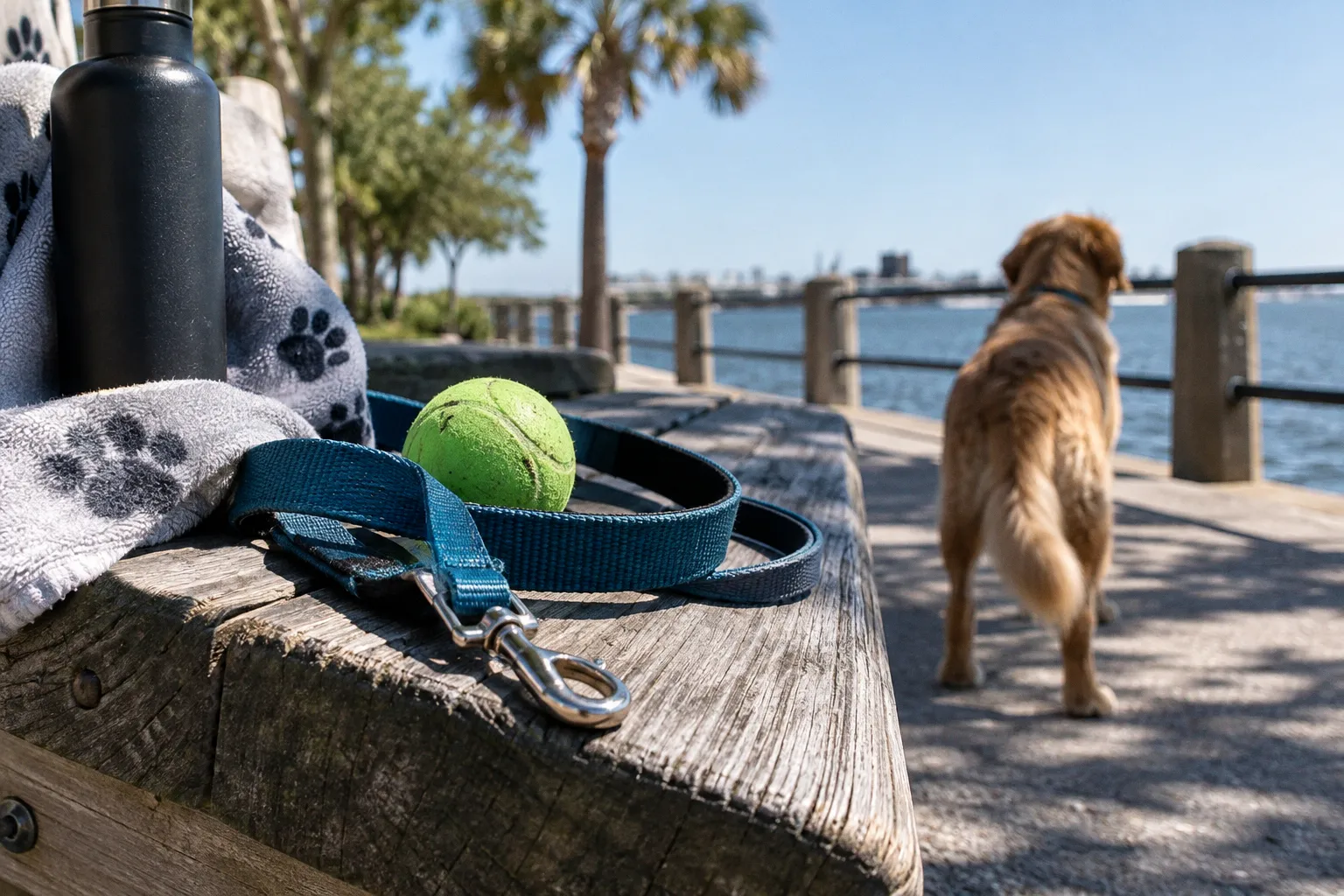
Courier published a guide on September 13 outlining five ways to keep dogs engaged in the Charleston area. For owners evaluating activity options, the guide arrives at a moment when local climate, urban density, and veterinary access shape every decision about a dog's daily workload. Any framework for keeping a dog busy must be filtered through gait mechanics, thermal regulation, and risk before it translates into a usable routine.
Screen the options against three physical filters
Run each option through three filters before adoption:
- Load distribution on the dog's frame during the activity.
- Ambient thermal exposure during the planned window.
- Proximity to emergency veterinary care from the activity location.
A sniff-walk route through downtown Charleston carries different kinetic and thermal exposure than a backyard enrichment session. Sequence matters: high-output activities should not stack back-to-back without recovery intervals calibrated to the dog's age, breed, and joint history.
Match the option to the dog's actual capacity
Coastal humidity compresses safe working windows for outdoor activity. Any option should be assessed against the dog's individual parameters rather than a generic recommendation:
- Duration: continuous engagement in humid heat requires defined cooling intervals; plan water breaks before the dog signals distress.
- Surface: verify ground temperature before walks; thermal transfer through paw pads is a measurable injury risk on hot pavement.
- Intensity: sprint, retrieve, and agility work elevate core temperature faster than steady-state movement.
A dog with prior orthopedic history should not enter high-impact options without veterinary clearance. A dog with brachycephalic conformation should not enter sustained outdoor exertion regardless of the stated duration.
Verify the provider and read the dog
Before enrollment in any structured program, request documentation. Minimum set:
1. Written heat-safety protocol with defined temperature cutoffs.
2. Handler-to-dog ratio and maximum group size for active sessions.
3. Contingency plan for an overheated dog, including the nearest emergency clinic address and transport method.
4. Staff training in thermoregulation signals: lagging gait, excessive panting, sticky saliva, disorientation.
5. Pre- and post-activity cool-down windows in climate-controlled space.
Any provider that cannot produce these on request is operating outside acceptable parameters. After each session, measure the dog's response: recovery time, gait changes the next morning, appetite, and stool quality. Adjust load before adjusting variety. The objective is sustained engagement without cumulative strain on the kinetic chain.