RSPCA Beach Safety Alert: Protecting Your Dog and Coastal Wildlife This Summer
The RSPCA has flagged specific physical risks to dogs and coastal wildlife during shoreline visits, per a Devon Live report on the charity's summer advisory.
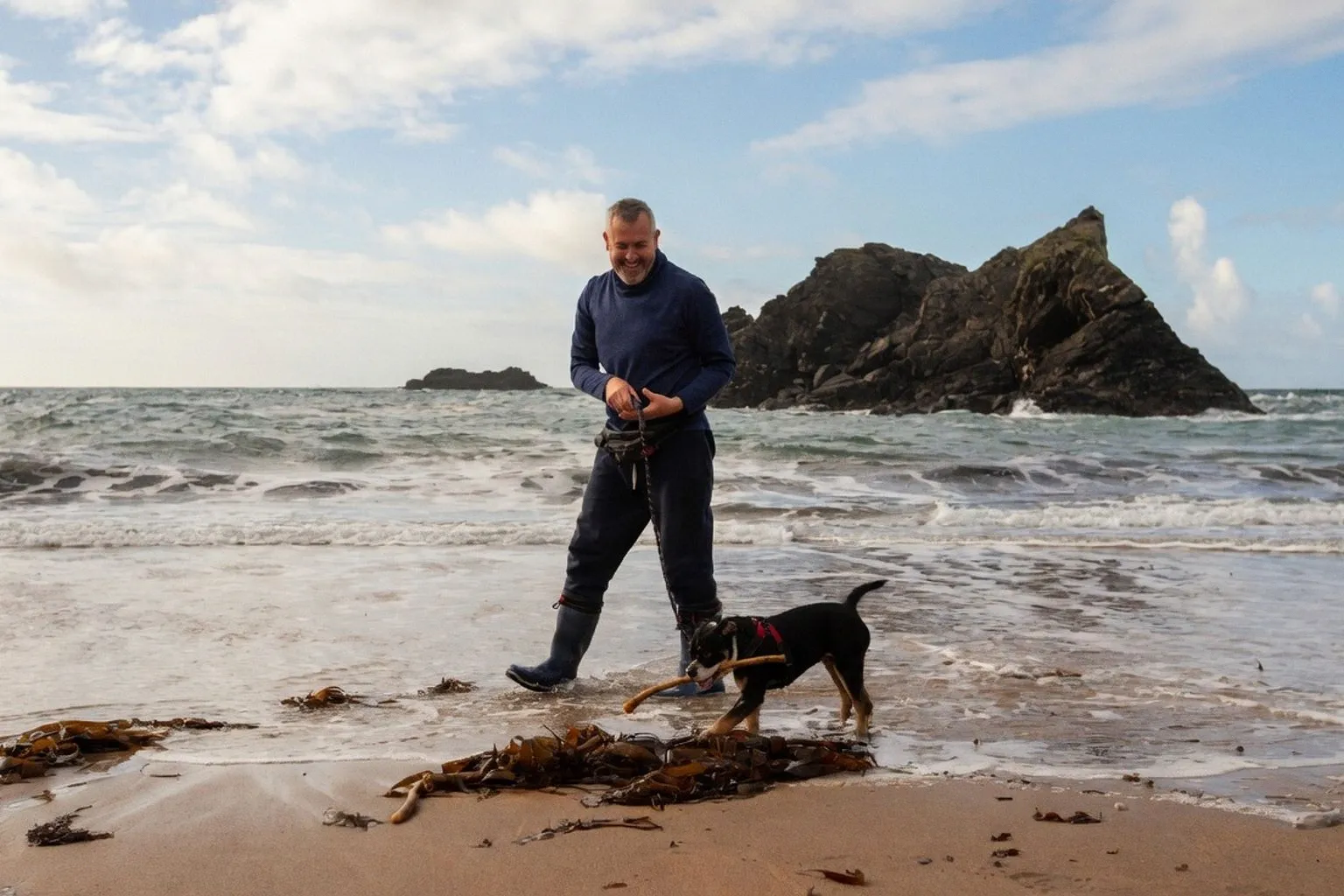
Two hazard categories drive the warning: thermal-mechanical injury to dogs, and entrapment or harassment of marine fauna. Reporting volumes rise sharply through the summer window.
Threat Matrix
Four primary hazards carry quantifiable injury risk:
- Flying rings. Open-center discs trap seal necks on contact and cause cervical laceration. Solid frisbees eliminate the cavity geometry that creates the entrapment risk.
- Disposable barbecue residue. The RSPCA notes these units are currently banned for purchase in the UK. Embedded coals still retain surface temperatures above safe paw-pad contact thresholds. Residual ash also ignites dry dune vegetation and destroys habitat.
- Off-lead vector. Uncontrolled approach velocities place dogs within striking distance of hauled-out seals and resting seabirds. The charity specifies a minimum standoff distance from seals and breeding bird colonies.
- Discarded debris and harassment. Plastic fragments, monofilament line, and food waste cause gastrointestinal obstruction or linear foreign body trauma on ingestion. Close-range photography amplifies wildlife stress responses and displaces resting animals.
Field Protocol
Treat the beach as a controlled-exercise corridor, not an off-leash park.
1. Confirm seasonal dog restrictions for the specific beach before transit. Local authorities may enforce summer lead mandates and dog-exclusion zones around wildlife reserves.
2. Fit a fixed-length lead and a harness that distributes load across the thoracic girdle rather than the cervical vertebrae.
3. Pack out all waste, including biodegradable scraps. Organic input displaces native scavengers and disrupts dune stabilization.
4. Maintain visual lock on the dog at all times. The kinetic chain of sprint-and-return on uneven sand loads the carpus and stifle; scheduled cool-down intervals reduce soft-tissue strain and aid thermal regulation.
5. Do not approach, feed, or photograph wildlife at close range. No selfies with resting or stranded animals.
Reporting and Pre-Departure Checklist
Emergency contacts: RSPCA welfare line 0300 1234 999 for sick, injured, or trapped animals. Wildlife casualties route to local rescue centers or veterinary clinics. Dogs locked in hot vehicles require 999 — police entry powers are necessary, and the RSPCA cannot guarantee response time.
Operational checklist before departure:
- Seasonal beach rules verified
- Lead and harness fitted and tested
- Solid disc packed in lieu of flying ring
- No disposable barbecue on-site
- Waste bag loaded
- Wildlife standoff distance confirmed
- Emergency numbers stored on device: 0300 1234 999 (RSPCA), 999 (police)