Pet emergency kit mistakes that waste money and time
A single bottle of children's ibuprofen left on a counter can generate an emergency veterinary bill between $1,500 and $5,500. Most pet emergency kit failures are not caused by missing supplies.
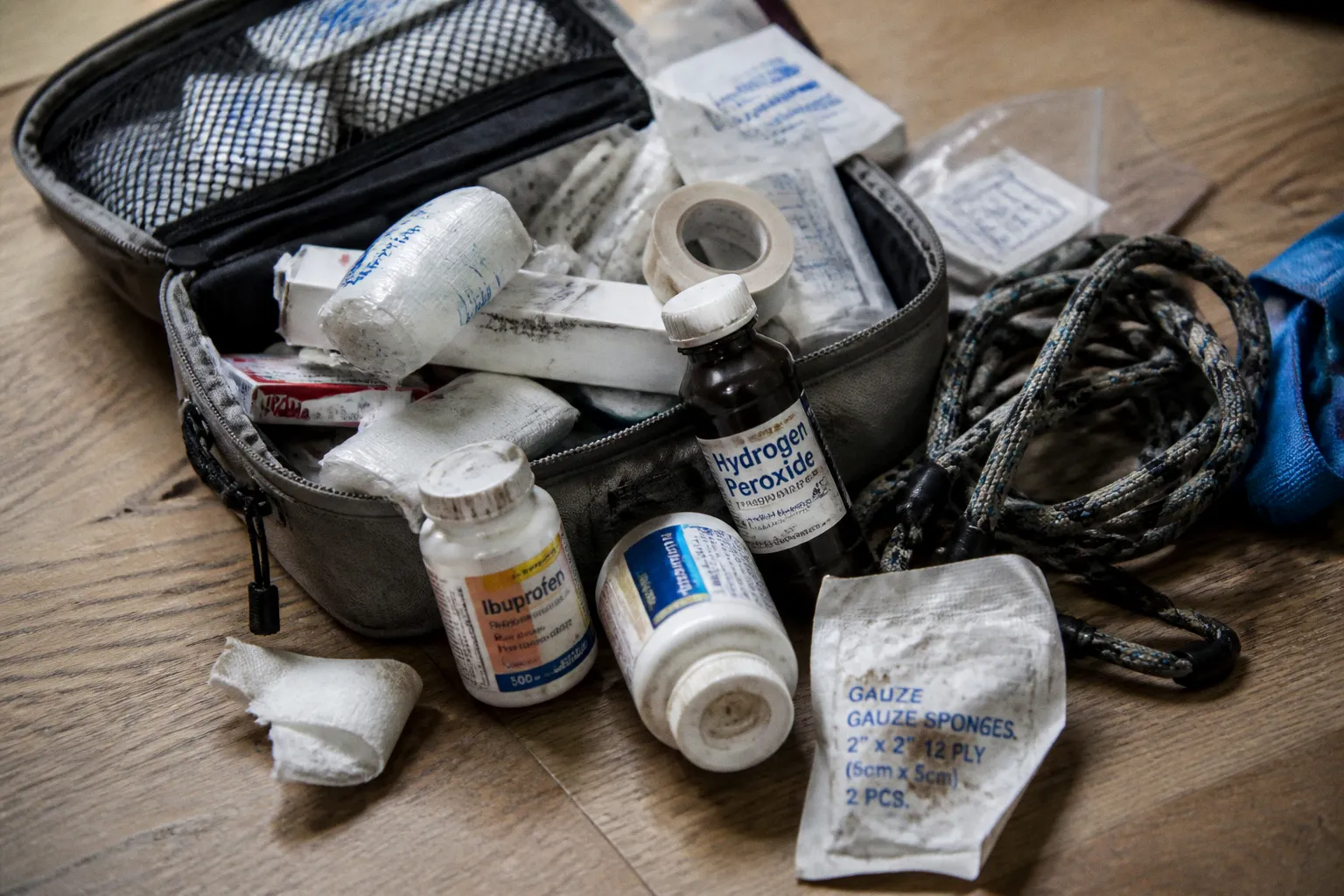
They are caused by the wrong supplies, expired supplies, or supplies applied without instruction. The kit sits in a closet, looks complete, and fails at the moment it is needed. The errors below are the ones that recur in veterinary triage: human medications stored alongside pet supplies, rubbing alcohol poured into open wounds, peroxide forced into animals that should never vomit, and digital records that vanish when the power goes out. Each mistake is fixable. None of them require a premium product. They require a protocol.
An emergency kit is a tool, not a trophy. Measure it by what it does at 2 a.m., not by what it contains.
The Hidden Dangers of Human Medications and Home Remedies
The fastest way to convert a stable pet into a critical patient is to treat it like a small human. Canine and feline physiology do not process human drugs the same way. Ibuprofen, naproxen, and acetaminophen cause gastric ulcers, acute kidney injury, and hepatic necrosis in dogs. Cats lack adequate glucuronyl transferase activity; even small doses of acetaminophen produce methemoglobinemia and death. Storing these products inside a pet emergency kit does not make them available treatments. It makes them accessible poisons. Review every tube, blister pack, and bottle. Remove anything not specifically labeled for veterinary use.
Three home remedy errors recur with predictable frequency:
- Rubbing alcohol on open wounds. It is a standard fixture in human first aid kits and a standard mistake in pet kits. Alcohol is cytotoxic; it damages fibroblasts and delays epithelial regeneration. Use chlorhexidine 0.05% solution, dilute betadine (povidone-iodine) to the color of weak tea, or sterile saline. All three flush debris without destroying granulation tissue.
- Hydrogen peroxide in cats, birds, or rabbits. The 3% solution induces emesis by irritating gastric mucosa. In species that cannot safely vomit, the irritant produces severe gastric and esophageal ulceration, hemorrhagic gastritis, or aspiration. It is contraindicated across all non-canine species.
- Hydrogen peroxide in dogs without veterinary guidance. Emesis is only useful within a narrow window after toxin ingestion and only when the substance is safe to bring up. Caustic chemicals, petroleum products, and sharp objects make vomiting contraindicated. If a veterinarian instructs induction, the dose is 1 ml per pound of body weight, with an absolute ceiling of 45 ml per administration. Exceeding the ceiling does not improve efficacy. It produces gastric erosions and esophageal damage.
| Parameter | Safe Practice | Common Error |
|---|---|---|
| Wound antiseptic | Chlorhexidine 0.05%, dilute betadine, saline | Rubbing alcohol on open wounds |
| Emesis induction (dogs) | 1 ml/lb of 3% peroxide, max 45 ml, under vet guidance | Arbitrary dosing, repeated dosing, or use in cats/birds |
| Pain management | Veterinary-prescribed NSAID or opioid | Human ibuprofen, naproxen, acetaminophen |
| Toxin ingestion | Call Pet Poison Helpline or vet before action | Inducing vomiting reflexively at home |
The rule is operational, not aspirational: no medication enters the kit without a specific indication and a confirmed species-appropriate dose.
Why Generic Pre-Made Kits Often Fail Your Pet
Pre-made pet first aid kits are sold as universal. They are not. A 4-pound Chihuahua, a 140-pound mastiff, a senior Labrador on carprofen, and a diabetic cat require overlapping but non-identical supplies. A generic kit delivers a fixed inventory optimized for the average dog. The result is two simultaneous failures: critical items missing for the specific animal, and unused items consuming budget and space.
Three structural problems define the pre-made category:
1. Single-species bias. Most kits default to canine supplies. Cat litter, a small carrier-grade syringe for oral medication, and feline-specific dosing references are typically absent. For multi-pet households, this gap is structural.
2. Size insensitivity. A 4-inch compression bandage does not stabilize a large-breed limb. A large abdominal pad is wasted on a 6-pound patient. Bandage width should approximate the width of the affected limb, with secondary supplies scaled accordingly.
3. No provision for chronic conditions. Senior pets on joint supplements, cardiac patients, diabetics, and epileptics require daily medication continuity during evacuation or disaster. A generic kit contains none of these. The omission is the most expensive gap in the entire kit, because interruption of phenobarbital or insulin is itself a medical emergency.
Build the kit around the animal, not around the box. A working inventory list for a household pet should document the weight, current medications, known allergies, and the chronic conditions of each animal. That list drives the contents. Everything else is filler.
The Critical Importance of Physical Documentation in Digital Crises
Digital records fail in the exact conditions that produce emergencies. Hurricanes, earthquakes, wildfires, and regional blackouts disable cellular networks and power grids. A vet clinic running on generator power may not accept emailed records. A shelter accepting displaced animals requires physical proof of rabies vaccination. Without paper, a vaccinated animal can be held in quarantine or refused entry.
Three document categories must exist as waterproof physical copies inside the kit:
- Rabies certificate. Original or certified copy, laminated or stored in a sealed zip bag.
- Vaccination history. Core vaccines for the species, with dates and lot numbers where available.
- Microchip registration. Microchip number plus the registry's 24-hour recovery contact line.
Photographs stored only on a phone are unreliable. Cloud-only backups are inaccessible without signal. A printed page in a sealed pouch survives submersion, heat, and impact. Each document should also be paired with a recent photograph of the animal showing distinguishing markings, kept with the records. This enables identification if the pet is separated from the owner.
Paper does not need a battery. In an evacuation, that is its only feature that matters.
Maintenance Cycles: Preventing Expired Supplies and Degraded Gear
The single most common protocol failure is the absence of one. Kits are assembled once, stored, and forgotten. Six months later, the gauze is intact but the peroxide has degraded past effective concentration. The canned food has lost nutritional value. The sealed water pouch has developed micro-leaks. The kit looks ready and is functionally empty.
Establish a fixed review cycle:
- Every 6 months, conduct a full inventory. Replace expired medications. Inspect antiseptics for discoloration or precipitation. Test battery-powered items (thermometer, penlight, clippers).
- Every 6 months, rotate food and water. Sealed water pouches carry manufacturer shelf lives of 2 to 5 years depending on the product; beyond that, integrity cannot be assumed.
- Every 12 months, replace items subject to environmental degradation: hydrogen peroxide (loses active oxygen once opened), saline solution (risk of contamination once the seal is broken), and any item with a manufacturer expiration date inside the next 12 months.
Water supply warrants a separate calculation. The standard for disaster preparedness is 1 gallon of water per pet per day, covering drinking, food preparation, and decontamination of skin or fur after exposure to floodwater or chemical agents. Minimum on-hand supply should cover 3 to 7 days. Households in hurricane or wildfire zones should target 14 days. Mark each bottle with the fill date using a permanent marker. Rotation is automatic when the date is visible.
| Item | Review Frequency | Failure Mode If Ignored |
|---|---|---|
| Hydrogen peroxide (3%) | 6 months after opening | Degraded active oxygen, no emetic effect |
| Canned pet food | 6 months | Nutrient degradation, palatability loss |
| Sealed water | 6 months | Micro-leak, bacterial colonization |
| Gauze, bandages, tape | 12 months | Adhesive failure, material brittleness |
| Digital thermometer battery | 6 months | Dead cell at point of use |
| Styptic powder, antiseptic wipes | 12 months | Reduced efficacy, packaging breach |
A maintenance log inside the kit lid, recording the last review date and the next review date, prevents the "set and forget" pattern. The log is a single sheet of paper. It is the most cost-effective piece of equipment in the kit.
Safety Essentials: Why Muzzles and Restraints Are Non-Negotiable
A muzzle in a pet first aid kit is not an admission of failure. It is an acknowledgment of physiology. Pain activates sympathetic response. A gentle, well-socialized dog will bite a handler when pressure is applied to an injured limb or abdomen. The bite delays treatment, introduces a secondary injury, and increases the cost of care. The muzzle prevents all three.
Two restraint tools are required:
1. A basket or fabric muzzle, sized to the animal. Basket muzzles allow the animal to pant, which is essential for thermal regulation. Fabric muzzles are acceptable for short procedures but must not be left on for extended periods, as they restrict breathing.
2. A restraint towel or blanket. For cats and small dogs, a heavy towel wrapped around the body immobilizes the limbs without compressing the thorax. This is the primary restraint technique for treating feline lacerations and minor wounds.
Both items belong in the kit. Neither is optional. The decision to muzzle is not made based on the animal's history. It is made based on the procedure. Any wound treatment on any animal begins with restraint secured before the wound is exposed.
Closing Safety Parameters
A compliant pet emergency kit meets the following criteria. Each line is operational, not aspirational. Failure on any single line degrades the kit's effectiveness.
- All medications are species-specific and within expiration date.
- No human NSAIDs, acetaminophen, or unprescribed drugs are present.
- Antiseptics are chlorhexidine, dilute betadine, or saline; no rubbing alcohol for open wounds.
- Hydrogen peroxide is 3% concentration, sealed, dated, and reserved exclusively for veterinarian-directed canine emesis at 1 ml/lb, max 45 ml.
- Food and water supplies cover a minimum of 3 to 7 days, rotated every 6 months.
- Water supply meets 1 gallon per pet per day.
- Physical copies of rabies vaccination, medical history, and microchip data are present in waterproof packaging.
- A muzzle and a restraint towel are inside the kit, sized to the animal.
- The kit includes the current weight, medications, allergies, and chronic conditions of each pet in the household.
- The kit includes an emergency contact list: primary veterinarian, nearest 24-hour emergency clinic, Pet Poison Helpline, and a backup contact outside the immediate region.
- A maintenance log is attached to the kit lid, recording the last review date and the next scheduled review, no more than 6 months out.
Every kit fails its first audit. The protocol is to run the audit before the emergency does.