Navigating Chicago with Dogs: A Professional Guide to Urban Terrain and Environments
According to Choose Chicago's dog-friendly itinerary guide, the city combines lakefront parks, dog-accommodating patios, neighborhood breweries, and hotels that accept canine guests.
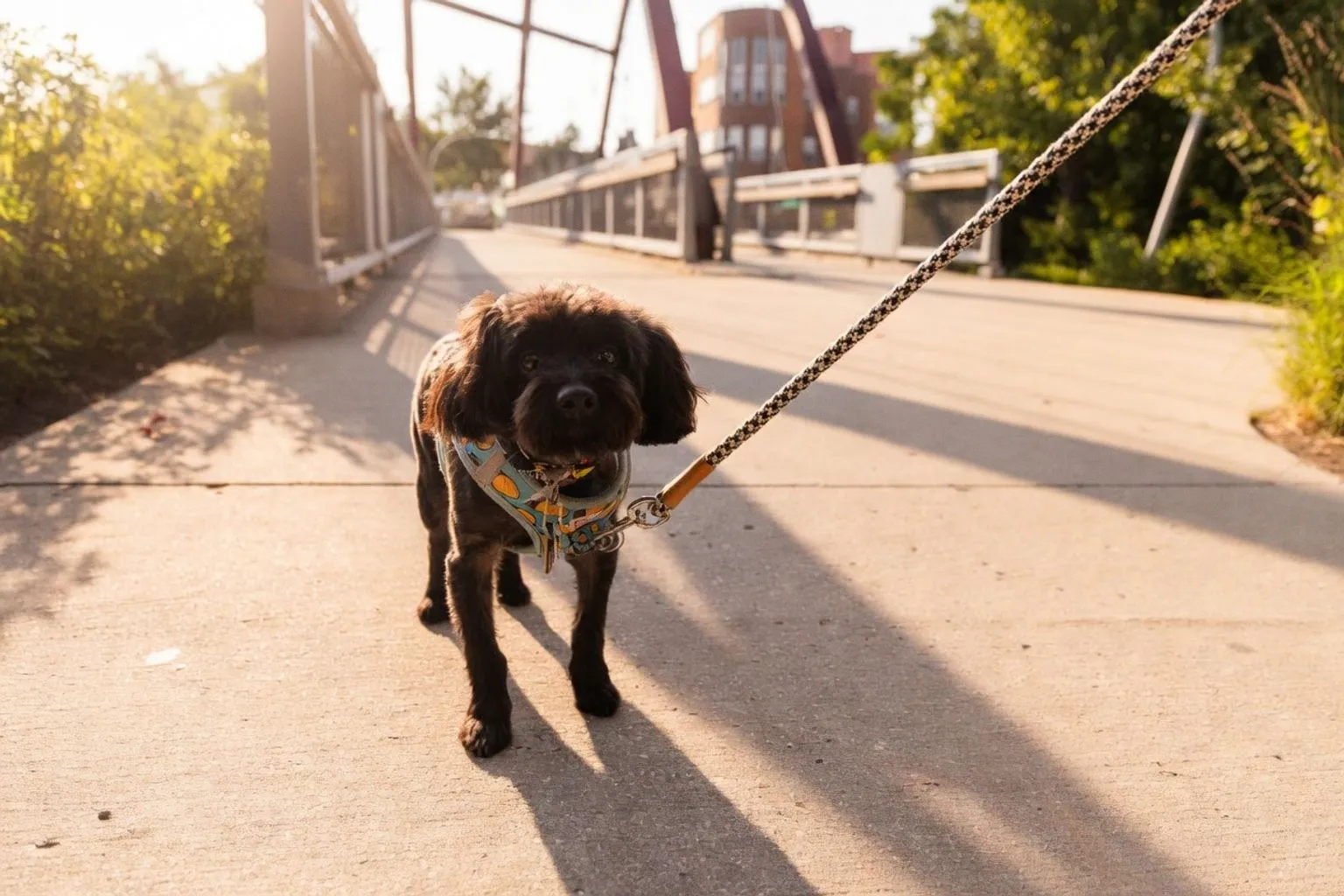
For professional dog walkers and pet sitters, the guide functions less as a tourism brief and more as an exposure map: a breakdown of the surfaces, environments, and transit modes a working dog is likely to encounter across a single urban shift.
Terrain Profile and Load Distribution
Lakefront parks and open greenways form the core of Chicago's canine exercise infrastructure. Pavement transitions matter. A working dog's gait shifts on hard surfaces: concrete and asphalt raise joint load, particularly in the carpi and stifles, while turf and sand absorb impact but introduce instability.
When planning routes:
- Default to lakefront greenways for sustained trotting intervals.
- Minimize continuous sidewalk exposure; break with grass segments where available.
- Note that beaches and shoreline zones introduce sand load — check paw pads post-walk for abrasion or trapped debris.
- Treat hotel corridors and lobby surfaces as slip-risk zones; short-leash control during tile or polished concrete transitions.
Multi-Environment Exposure Protocol
The guide highlights four recurring environment types: dog-friendly hotels, patios, breweries and taprooms, and water-based activities including river boat tours. Each carries distinct thermal, sensory, and kinetic variables.
Hotels and indoor hospitality spaces demand leash discipline, sit-stay under distraction, and noise control. Patios and beer gardens test boundary behavior near food, foot traffic, and other off-leash patrons. Boat tours introduce vestibular stress — assess a dog's tolerance for motion before committing to a charter, and plan hydration and shade for prolonged deck time.
Breweries and taprooms that permit dogs indoors typically operate at higher ambient temperature and humidity in summer. Monitor panting rate and rectal temperature signs; a dog exhibiting excessive drooling or sluggishness should be removed from the environment and cooled immediately.
Operability Assessment
The same source notes that Chicago's dog-friendly footprint spans Hyde Park to Logan Square, indicating coverage density across neighborhoods rather than concentration in a single district. For a sitter or walker managing multiple clients, this distribution reduces transit overhead between assignments but increases the probability of varied terrain within a single day.
Two cautions derived from the guide's scope:
- The city is described as welcoming to dogs rather than universally leash-regulated. Confirm local park rules before off-leash exposure; lakefront zones vary by segment and season.
- The guide frames dogs as "VIP guests" in hospitality settings — this is a marketing posture, not a safety standard. Pet sitters should verify each venue's specific policy on crating, feeding, and incident liability before booking.
Safety Parameter Checklist
Before any Chicago assignment involving the environments cited above:
- Surface mix logged: hard pavement percentage vs. soft ground.
- Weather index checked: heat index, humidity, wind chill for waterfront routes.
- Hydration points identified along the route; minimum one water break per 30 minutes in moderate heat.
- Paw pad inspection scheduled at walk midpoint and conclusion.
- Vestibular tolerance screened before any boat or transit activity.
- Venue-specific policies confirmed in writing: leash rules, feeding restrictions, emergency exit.
- Client contact protocol active: live location sharing and check-in interval defined.
Chicago's infrastructure for working dogs is broad. The operating discipline — not the city's hospitality — determines the outcome.