Why Professional Pet Care Providers Must Adopt Year-Round Parasite Prevention
Warmer seasonal temperatures are extending the active window for ticks, fleas, and airborne allergens across typical dog-walking environments, and Elanco Animal Health now treats year-round…
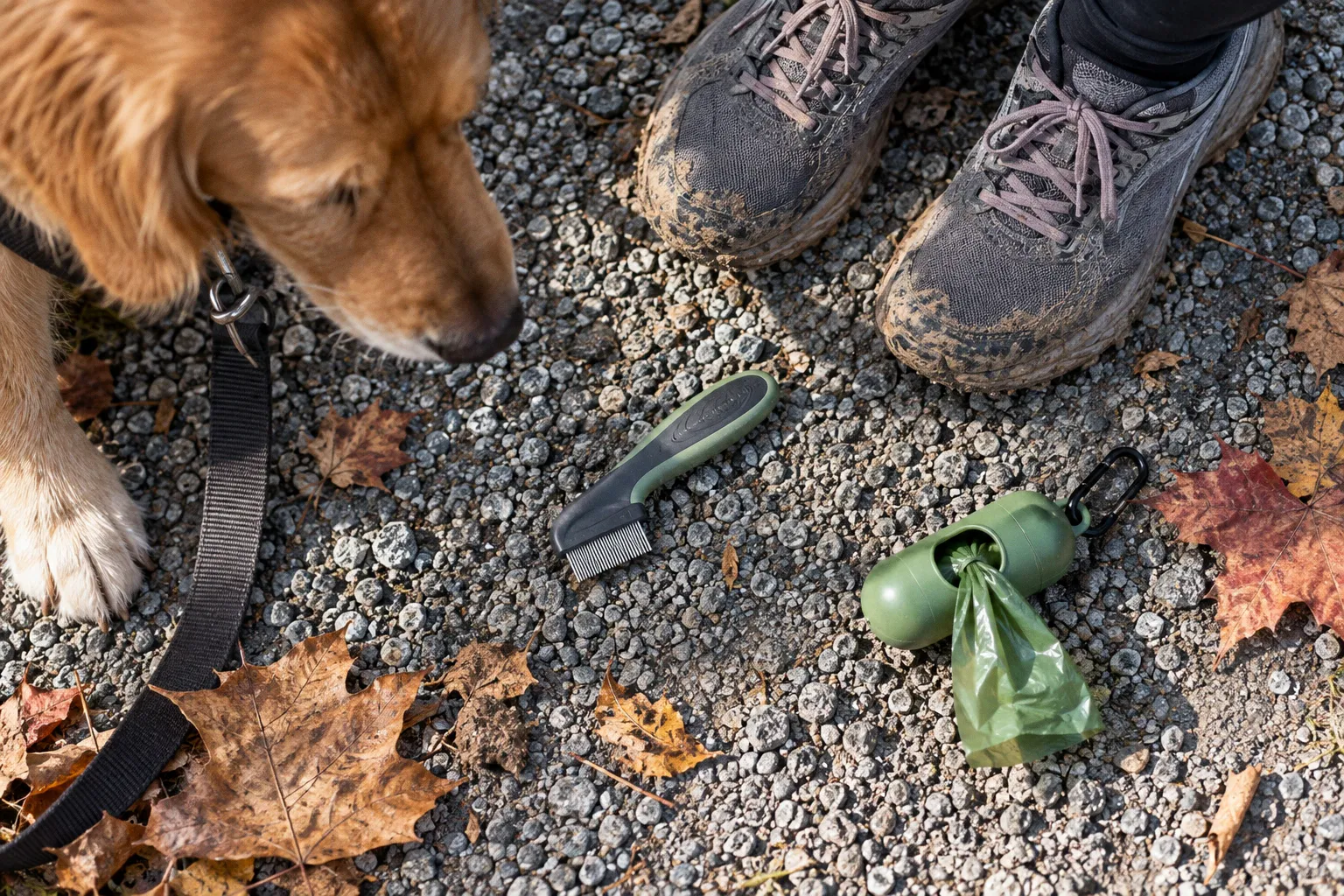
Warmer seasonal temperatures are extending the active window for ticks, fleas, and airborne allergens across typical dog-walking environments, and Elanco Animal Health now treats year-round preventive coverage as the clinical default rather than an aggressive option, according to Morningstar. The signal forces a recalibration of route planning, post-walk inspection routines, and product procurement calendars for any operator managing multiple animals.
Risk Window Redefinition
The traditional parasite prevention calendar assumed a defined dormant period during colder months. Warmer seasonal temperatures compress that dormant interval or eliminate it entirely in temperate zones, per the Elanco assessment. For a dog in regular contact with grass, leaf litter, and shared walking corridors, this translates to longer exposure across multiple vectors:
- Tick activity with extended seasonal endpoints
- Flea lifecycle continuity in mild winters, particularly in microclimates around buildings and pavement edges
- Pollen and mold allergen cycles with overlapping peaks rather than discrete seasons
- Soil-borne parasite viability extended by warmer ground temperatures
Professional walkers managing multiple dogs across rotating routes face compounded exposure. Vectors travel between animals on shared surfaces, on handler clothing, and through bedding or crate transfers at the operator's facility.
Operational Protocol Adjustments
A 12-month preventive schedule is now the conservative default for any dog with regular outdoor access. The Indian pet care operator Zigly has built its own version of this logic into three tiered annual packages launched this month, bundling vaccinations, parasite screening, blood panels, and unlimited veterinary consultations into single annual plans structured separately for puppies, adults, and seniors. The structural shift mirrors Elanco's clinical finding: preventive coverage is moving from episodic to continuous, and service providers are packaging it accordingly.
Field Verification Checklist
For dog walkers and pet sitters operating under the extended risk window:
- Confirm the host animal's parasite preventive covers a full 12-month cycle, not a seasonal dosing window
- Verify the product's spectrum includes ticks, fleas, and any regional vectors identified by local veterinary guidance
- Document grooming and post-walk inspection routines for early tick attachment detection
- Cross-check allergen exposure history against route geography and seasonal pollen data
- Establish a direct line to a veterinary provider for rapid consultation when dermatological or behavioral changes appear
- Track product expiry dates across the full year rather than at season transitions only
The climate signal is not isolated to one region. Operators planning multi-year preventive budgets, route calendars, and facility sanitation schedules should treat year-round coverage as the new floor, not an upgrade option.