Why Distracted Dog Walking Threatens Wildlife and Livestock Safety
A new University of Surrey study, reported by Vet Candy, finds that divided attention — not deliberate irresponsibility — drives most environmental problems linked to dog walking, including missed…
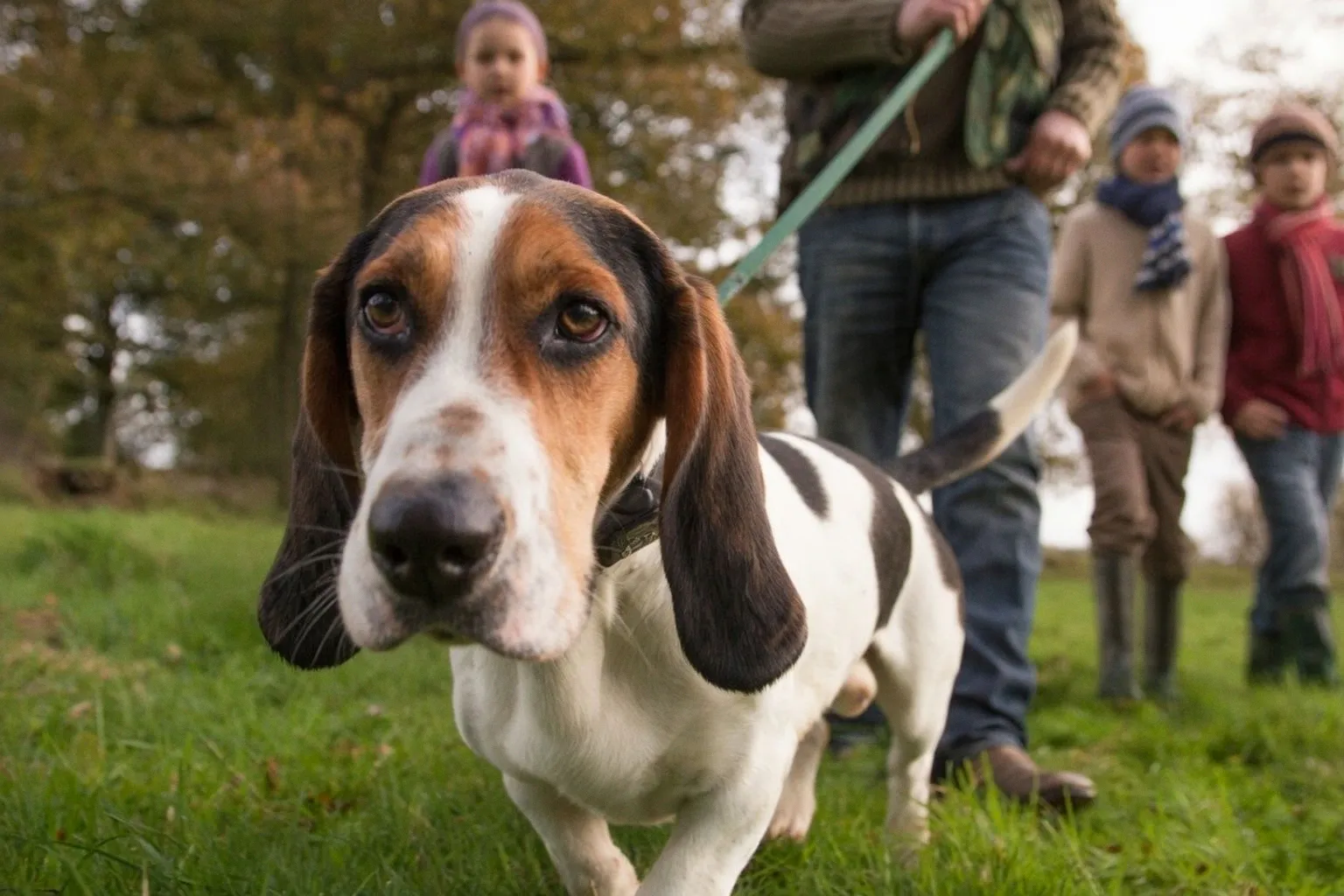
A new University of Surrey study, reported by Vet Candy, finds that divided attention — not deliberate irresponsibility — drives most environmental problems linked to dog walking, including missed fouling, off-lead incursions into sensitive habitats, and livestock approaches. For professional walkers, the mechanism is operational: multi-dog handling multiplies attention cost.
Attention Architecture on Walks
Researchers logged 40 observation hours across Puttenham Common, the Chantries and St Martha's Hill, Norbury Park, and Denbies Wine Estate. Eleven fouling events were missed. Waste clustered within 50 to 100 metres of car parks and along busy paths. Dogs toilet early in the walk; handlers should expect the spike at minute zero.
Three attention sinks appeared in the data:
- Phone and headphone use correlated with missed fouling.
- Social walkers absorbed in conversation lost situational awareness.
- Professional walkers dividing attention across multiple animals showed the same deficit.
Off-lead dogs entered undergrowth, flushed ground-nesting birds, and approached livestock. The majority of walkers did pick up waste; some collected waste left by other animals. The failure mode is structural, not moral.
Infrastructure and Signage Load
A workshop with 15 farmers, land managers, countryside business operators, and conservation professionals produced four operational interventions:
- Bins at toilet zones, not only at trailheads.
- Dedicated off-lead areas buffer-zoned from sensitive habitat.
- Community-led stewardship.
- Short, decision-point signage replacing generic "keep on lead" notices.
Seasonal signage explaining ground-nesting bird vulnerability outperformed static instruction. Engagement fell as signage aged — a signal that rotation matters.
Protocol Parameters for Professional Walkers
- Route design: separate multi-dog staging from main paths to reduce fouling load near access points.
- Leash enforcement: fixed buffer zones during nesting windows.
- Device protocol: zero phone or headphone input when off-lead dogs are active.
- Client briefing: pre-position waste stations; communicate the early-walk toilet probability.
- Tracking: record fouling misses, off-lead excursions, and livestock interactions by route and season.
Dr Tom Roberts, Senior Lecturer in Environmental Sociology at the University of Surrey, noted that the responsible/irresponsible binary misframes the problem — the variable is attention architecture, not intent. Haeyoung Eun, Innovation Lead at the same university, concluded that additional rules underperform infrastructure redesign. Operators monitoring site-specific behaviour should expect seasonal variation and signage fatigue to shift the baseline. Track, adjust, verify.