Managing Large Breeds in Hong Kong: Essential Safety and Welfare Guidelines
According to the South China Morning Post, experts in Hong Kong are flagging serious welfare and public-safety risks tied to keeping large or aggressive dogs in dense, humid urban conditions.
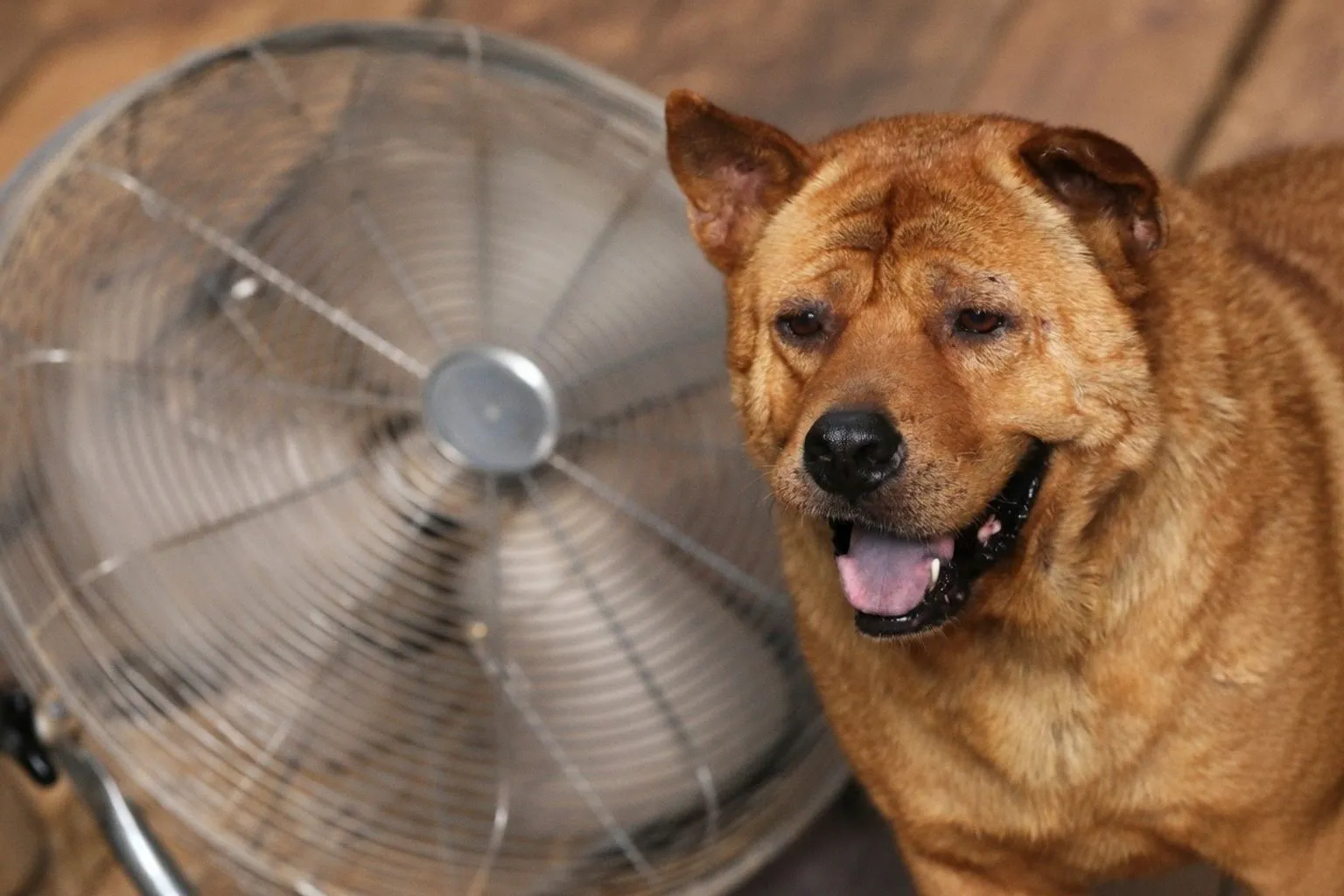
Thermal Load and Handler Capacity
The warning follows two incidents last week: a fatal mauling at a dog training centre in Ping Yeung Tsuen involving a suspected mixed-breed fighting dog, and the killing of two small dogs in Yuen Long by an unleashed 60kg mastiff-type canine.
The core problem is biomechanical. Large breeds carry greater mass across a lower surface-area-to-volume ratio, slowing passive heat dissipation. Add a dense coat and ambient humidity above 70%, and the dog's primary thermoregulatory pathway degrades.
"Dogs rely primarily on evaporative cooling through panting rather than sweating," Lau Yun-yu, chairman of the Hong Kong Society for Pet Nutrition, told the Post. When humidity approaches saturation, evaporative heat loss off the tongue and upper airway cannot offload metabolic heat at the required rate. Core temperature rises. The heat-stroke threshold shortens.
Force, Leverage, and Leash Mechanics
Weight compounds risk at both ends of the lead. A 60kg dog in a static stance delivers roughly 60kg of pull force; during a lunge or redirect, peak force can exceed body weight. A handler under 50kg cannot reliably counter that load with a standard waist-clip or six-foot lead without positional risk.
Protocol for walkers and sitters:
- Confirm the animal's mass, coat density, and breed profile before accepting the booking.
- Use front-clip harnesses or head halters; rear-clip harnesses reinforce forward momentum.
- Match handler bodyweight to at least 60–70% of the dog's to maintain bracing control during a redirect.
- Reject off-leash work in shared public spaces regardless of an owner's "voice control" claims.
- Verify muzzle conditioning and bite-history disclosure before any contact session.
Environmental Variables Specific to Hong Kong
High-density housing limits relief time. Asphalt and concrete in summer run 15–20°C above ambient air temperature, damaging pads within minutes. Relative humidity regularly exceeds 80%.
Standard operating limits for thick-coated large breeds:
- Walk between 5:00 a.m. and 8:00 a.m., or after 7:00 p.m.
- Apply the five-second back-of-hand pavement test; if too hot for skin, it is too hot for pads.
- Cap duration at 20 minutes when temperature exceeds 28°C and humidity exceeds 70%.
- Offer water every 10 minutes.
- Monitor for excessive drooling, wide-stance bracing, and a bright red tongue — the earliest visual indicators of heat strain.
The baseline assessment remains fixed: match the animal to the handler's physical capacity and to the environment before signing the contract. Compliance follows capacity, not the reverse.