How to Prevent Paw Burns During Summer Walks: Expert Safety Advice
When the asphalt sizzles, a routine dog walk can quietly turn into a trip to the vet — and that's exactly the scenario Caddo Parish Animal Services is trying to head off with its latest reminder…
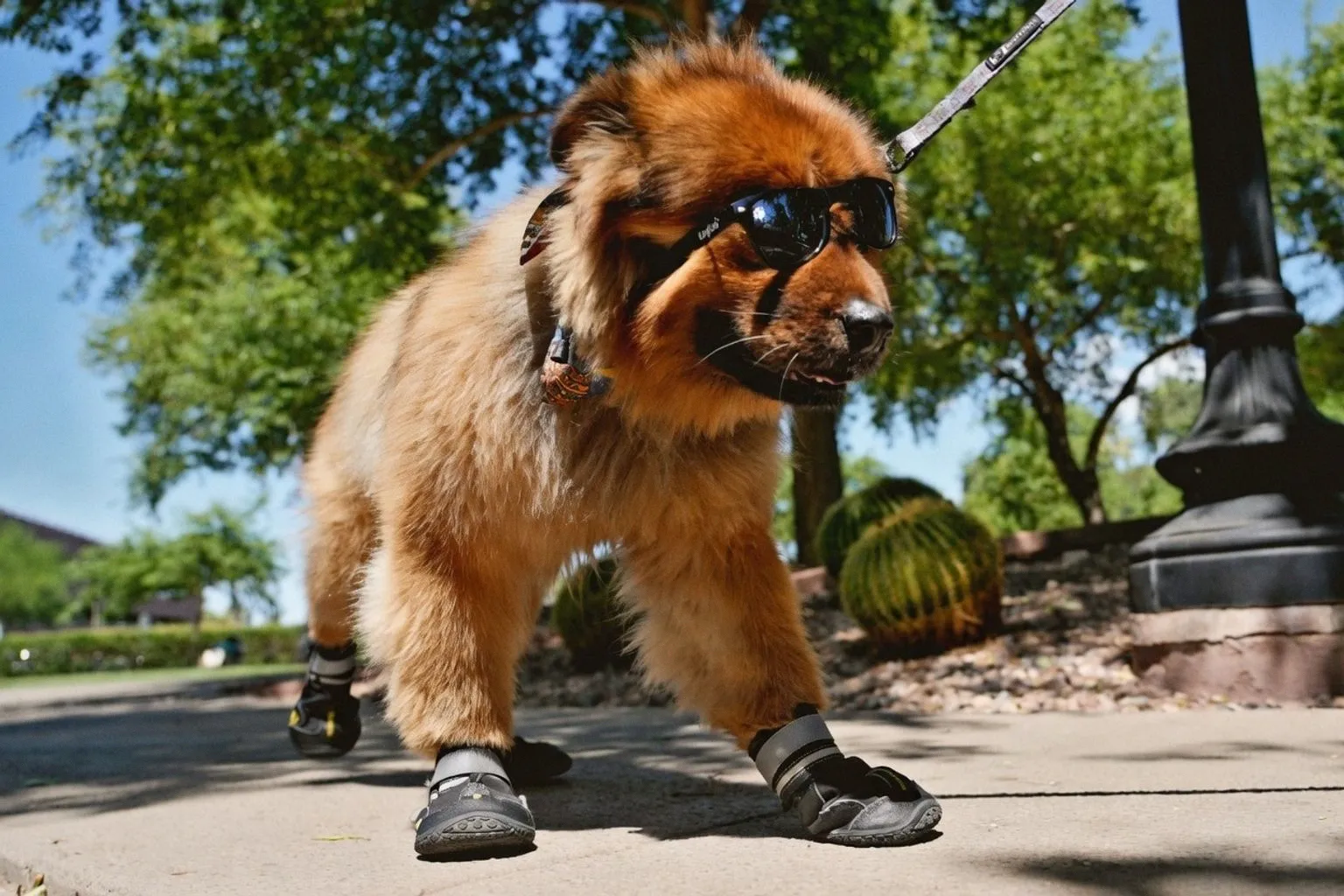
When the asphalt sizzles, a routine dog walk can quietly turn into a trip to the vet — and that's exactly the scenario Caddo Parish Animal Services is trying to head off with its latest reminder about protecting pets from paw burns in peak summer heat.
According to guidance shared by the agency, hard surfaces like asphalt, metal, and concrete can reach roughly 30 degrees warmer than the air temperature, which means a balmy morning can feel like a baking sheet under your dog's pads. For professional walkers, sitters, and anyone managing a daily route, that single number reshapes the whole walking schedule.
The five-second baseline check
The most reliable on-the-ground test is also the simplest: press the back of your hand to the pavement for five seconds. If you cannot hold it there comfortably, the surface is too hot for paws. Treat this as your dispatch checkpoint — the moment before you clip on the leash — rather than a mid-walk gamble.
Build this quick assessment into your transition phase for every outing. It takes only seconds, it costs nothing, and it converts a vague "it feels warm out there" into a clear go-or-no-go decision for the route you've already planned.
Rewriting the daily route
Caddo Parish Animal Services recommends shifting walks to grass whenever possible and pushing them into the cooler morning or evening windows. For a walker juggling multiple clients, that translates into three practical adjustments worth locking into the week:
- Front-load the heaviest-coated or senior-dog visits before the sun climbs, and save high-energy outings for shaded evening blocks.
- Scout grassy loops near each client's home in advance; having a familiar anchor route means you can pivot without losing time or coverage.
- When pavement is unavoidable for short stretches, protective dog boots or paw balm can serve as a transitional safeguard rather than a permanent fix.
These are the kinds of small scheduling pivots that protect baseline comfort without requiring a complete overhaul of your existing service plan.
When to escalate
If a dog shows signs of heat-injured paws — limping, licking at the pads, visible redness, or reluctance to keep walking — the guidance is to head to a veterinarian immediately. From a coordinator's perspective, this is where your protocol matters most: have your emergency vet contact, the client's preferred clinic, and a backup option saved before the first summer booking. That way, the moment something looks off, you are reaching for the phone rather than scrolling for an address.
Heat-related paw injuries are almost entirely preventable, and the margin between a safe walk and a painful one usually comes down to a hand on the ground and a slightly earlier start time. Treat those two habits as non-negotiable items in your summer playbook, and the rest of your route can stay exactly as you've mapped it.