Essential Summer Heat Safety Protocols for Professional Dog Walkers
A Westchester-based dog walking professional has shared summer heat safety protocols, joining a broader wave of guidance from regional publications including njfamily.com and The Independent.
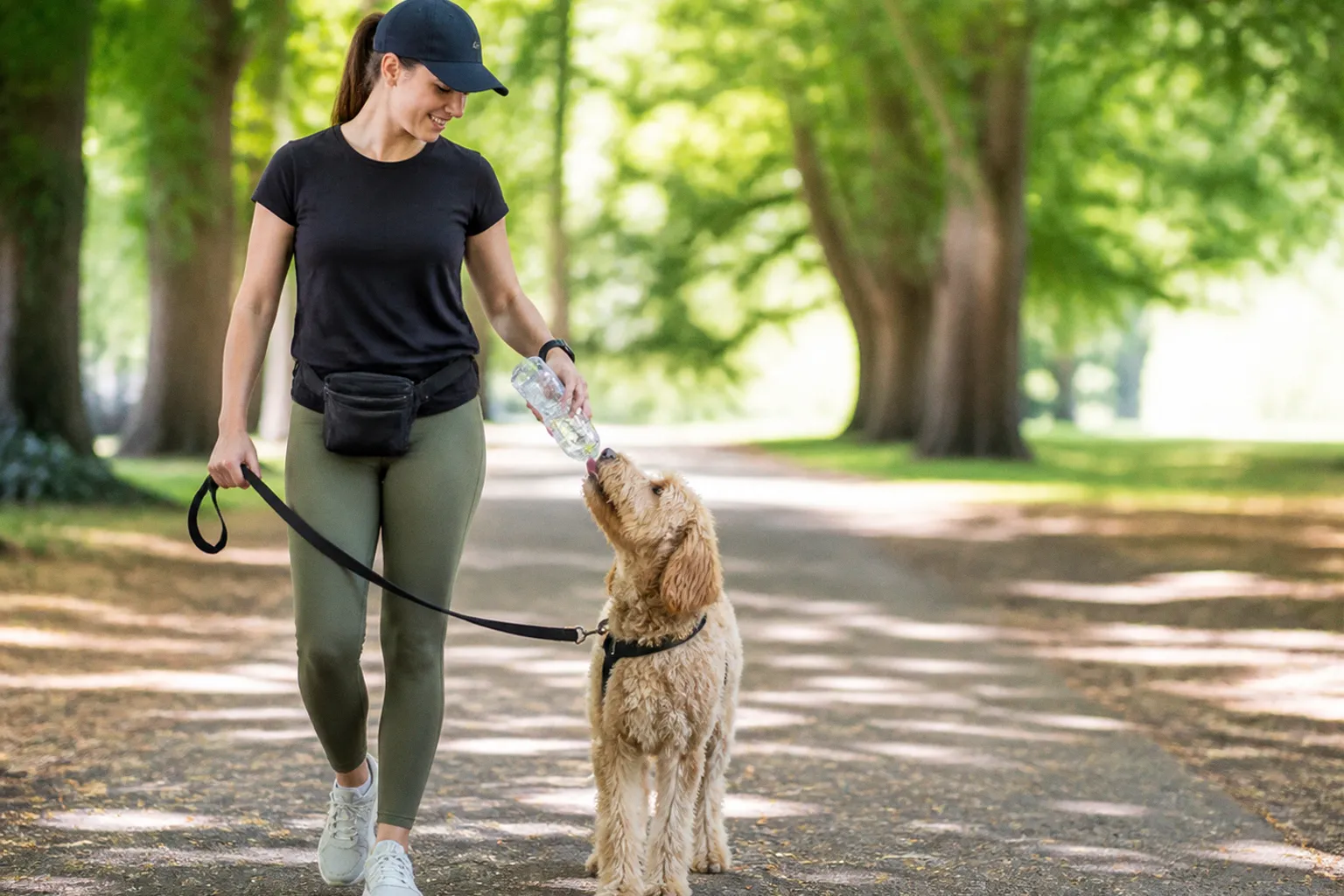
The reports converge on a single operational reality: elevated ambient temperature forces canine thermoregulation systems into failure mode faster than most handlers anticipate. For professional walkers and sitters managing active schedules during peak heat, the margin between safe exertion and heatstroke narrows with each degree above 80°F.
Thermal Load and the Working Dog
Dogs dissipate heat primarily through panting and limited eccrine gland activity in paw pads — a system with minimal redundancy under sustained load. When ambient temperature approaches or exceeds body temperature, evaporative cooling efficiency drops precipitously. The kinetic chain collapses from the core outward: elevated core temperature triggers vasodilation, which reduces cardiac output, which compromises gait stability and cognitive function.
For handlers, this means a dog exhibiting lagging gait, widened stance, or excessive drooling has already entered early-stage thermal distress. These are not behavioral quirks. They are measurable biomechanical indicators that the animal's cooling system is operating at capacity.
Surface Temperature: The Overlooked Variable
Air temperature and pavement temperature are not the same metric. Asphalt and concrete radiate stored heat at ground level, where a dog's thermal intake occurs. The paw pad absorbs surface heat directly; extended contact at temperatures above 120°F causes tissue damage within seconds.
Operational check: Press the back of your hand to the walking surface for seven seconds. If discomfort registers, the surface is outside safe parameters for paw contact. This is a non-negotiable threshold — not a guideline subject to the dog's "preference" or breed tolerance.
Protocol Adjustments for Active Months
Based on the converging recommendations from the reported sources, the following operational adjustments apply to professional walking and sitting schedules:
- Shift walk windows. Prioritize pre-0800 and post-1900 time blocks. Midday exposure (1100–1600) should be limited to elimination breaks only — no sustained activity.
- Hydration logistics. Carry water on every excursion. Offer hydration at 15-minute intervals during temperatures above 85°F. Do not rely on public water sources or park fountains.
- Route selection. Prefer shaded routes with grass or dirt surfaces. Avoid asphalt stretches longer than 50 meters during peak heat hours.
- Monitor the respiratory rate. Open-mouth breathing at rest, tongue extending significantly past the incisors, or audible respiratory effort indicate the panting mechanism is saturated. Terminate the session.
- Vehicle transport. Interior vehicle temperature exceeds ambient by 20°F within 10 minutes of engine-off. No exceptions. No "quick errands."
| Parameter | Threshold | Action |
|---|---|---|
| Air temperature | Above 85°F | Shorten walk duration; increase shade intervals |
| Pavement hand test | Any discomfort at 7 sec | Switch surface or reschedule |
| Respiratory rate at rest | >40 breaths/min | Cease activity; initiate cooldown protocol |
| Drooling volume | Excessive / ropey | Offer water; move to shade immediately |
| Gait changes | Lagging, stumbling, widened stance | Stop. Hydrate. Assess. Transport to vet if no improvement in 5 min |