How AI Predictive Health is Transforming Professional Pet Care Standards
Pet health management is moving from reactive joint and eye care to AI-driven prediction, according to. A parallel report from Koreabizwire notes that pet food companies are entering the same space with personalized nutrition and AI health care.
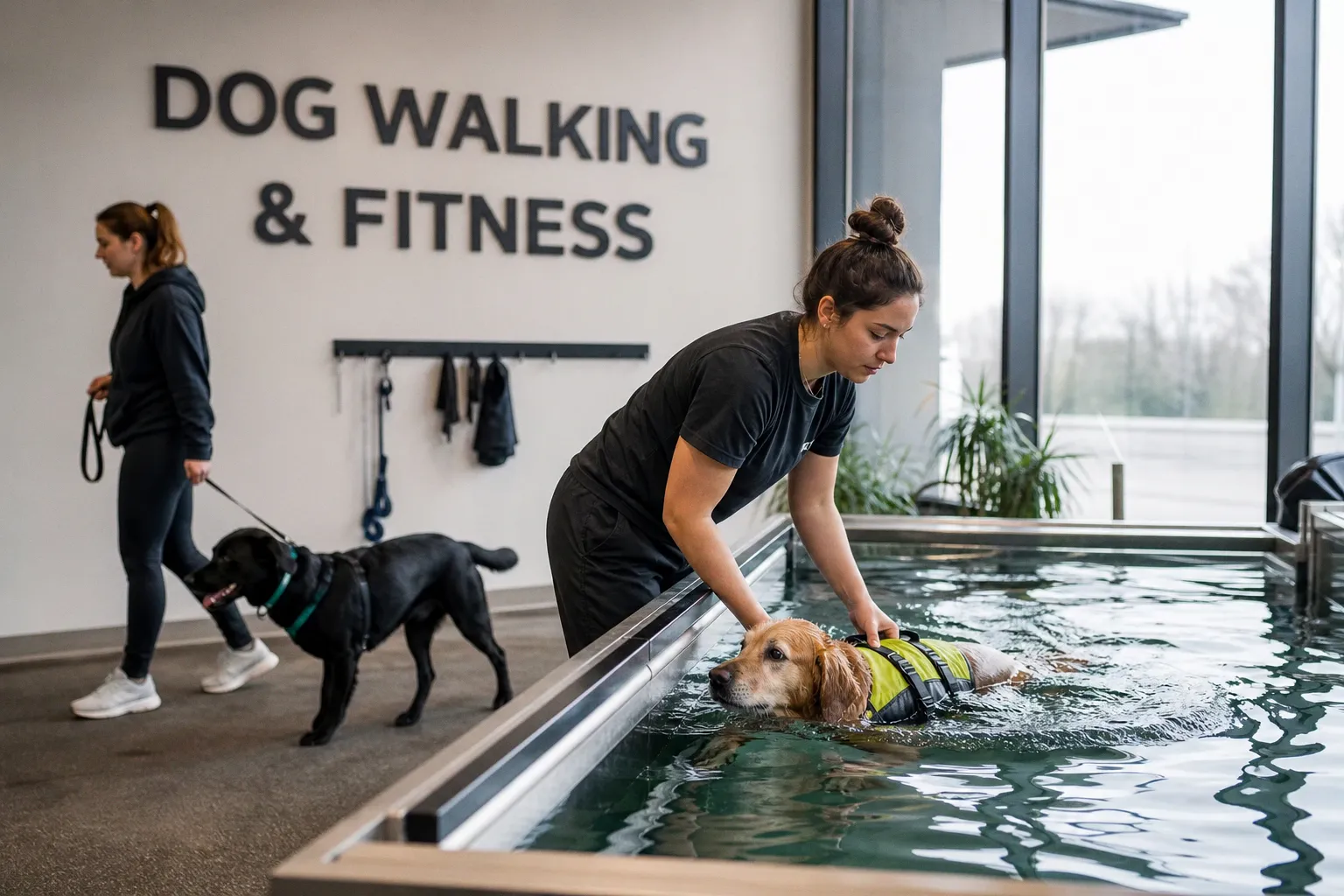
For working walkers and sitters, the shift reframes daily observation: the data points logged during routine contact may soon feed forecasting systems rather than serving only as incident notes.
The Convergence Point
Both reports describe a pivot along one axis. Predictive veterinary AI targets conditions before clinical signs emerge. Personalized nutrition applies identical logic to diet, matching formulations to individual animal profiles rather than breed-size brackets. The common denominator is per-animal data granularity replacing generalized protocols.
The available material confirms direction only. No product names, release dates, pricing tiers, or clinical validation metrics are stated. Treat the announcements as sector signals, not procurement guidance. The technology is moving faster than the documented evidence base around it, which is the standard pattern in early-stage pet health tooling.
What Fits Into Existing Walk and Visit Protocols
Daily contact already produces the raw inputs these systems would consume. Gait quality, stride length, weight-bearing symmetry, resting respiration rate, panting pattern, appetite, water intake, stool consistency, and behavioral baseline all register during a standard walk or sit. Most professionals log this informally or not at all. Under an AI workflow, the same observations become structured inputs feeding a model.
The operational risk is measurable. Prediction quality scales with input discipline. A walker who logs inconsistently degrades the model for every animal on their route. Professionals who already maintain structured records on load distribution, recovery time after exertion, and joint range of motion hold an advantage when these tools reach general availability. Observation cadence becomes a safety parameter, not administrative overhead.
Verification Parameters Before Adoption
Any predictive tool should pass the following checks before integration into a working routine:
- Veterinary oversight. Confirm a licensed clinician reviews AI output. Unsupervised prediction fails the safety standard.
- Data ownership. Document who stores gait logs, feeding records, and behavioral data, and for how long.
- Baseline protocol compatibility. If the tool assumes a logging cadence the walker cannot sustain, the output is unreliable by definition.
- Failure mode transparency. The provider should disclose what happens when input data is incomplete or delayed.
- Manual observation retained as primary layer. AI prediction supplements trained human assessment. It does not replace it.
Professionals should treat the current announcements as a signal to tighten observation discipline now, regardless of which platform arrives first.