Poochmaxxing: How the Pet Wellness Trend Impacts Professional Dog Care
The reported trend includes veterinary physiotherapy, hydrotherapy, sports massage, laser therapy, acupuncture, shockwave therapy, and kinesiotaping.
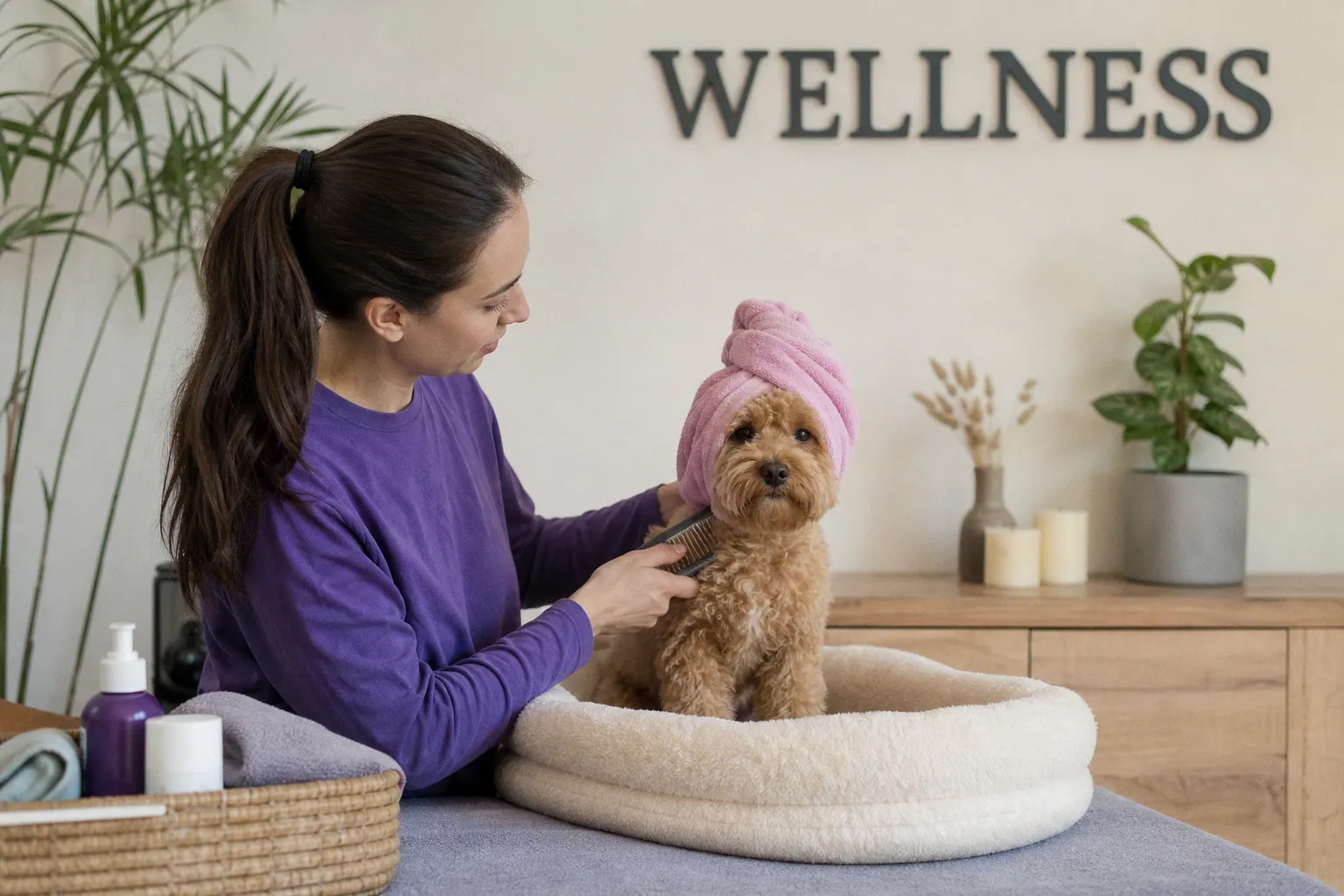
Marketing has moved from human wellness into canine care, according to reports from Phys.org and The Conversation. The emerging label is “poochmaxxing”: applying optimization habits and spending patterns used for personal health to a dog’s fitness, recovery, diet, equipment, and daily management. For owners using walkers or sitters, the operational issue is simple: more products and therapies mean more instructions, more variables, and more opportunities for poor load distribution or unverified treatment claims.
Wellness is expanding beyond the veterinary appointment
These services are described as options that may be used alongside conventional veterinary care, particularly for fitness, physical recovery, and muscle and bone support.
The key control point is referral and guidance. Physiotherapists and hydrotherapists are presented as working under veterinary referral and oversight. A dog walker or sitter should not treat a wellness plan as a general exercise brief. It is a handling protocol.
Before accepting the booking, obtain the owner’s written instructions on:
- the purpose of the therapy or exercise plan;
- permitted duration and intensity of walks;
- surfaces, slopes, stairs, and jumping restrictions;
- rest requirements after treatment;
- equipment that must be worn or avoided;
- signs that require the walk to stop;
- the veterinary or therapy contact to use if the dog’s movement changes.
This is gait management, not enrichment by default. A dog recovering from injury may have a different tolerance for distance, speed, turning, and uneven ground than the same dog on a normal walking schedule.
Products are not the same as evidence
The articles identify a broader market of diets, supplements, clothing, bedding, and other equipment promoted as ways to improve health or slow ageing. They also note that evidence across human and pet wellness can be limited or mixed, rather than based on the large, robust studies expected for medicines.
That distinction matters during sitting assignments. A product can be expensive, popular, or described as “supportive” without establishing what a carer should do with it. A magnetic therapy coat, orthopedic bedding, fresh food topping, or supplement may be part of an owner’s routine, but the sitter needs instructions that are specific enough to execute safely.
Use a simple decision tree:
1. Is the item part of a veterinary- or therapist-directed plan?
If yes, record the instruction exactly. If no, do not make a health claim about it.
2. Does it change movement or thermal regulation?
Clothing, wraps, tape, and restrictive equipment can affect gait, comfort, and heat management. Confirm when it is used, for how long, and whether it must be removed before exercise.
3. Does it alter feeding?
Do not improvise supplement doses, meal substitutions, or “fresh” additions. Follow the owner’s written feeding plan.
4. Does the dog’s movement deteriorate?
Stop the activity and contact the owner or designated professional according to the booking instructions. Do not compensate by extending the walk later.
For professional walkers, these details should sit alongside the normal handover: emergency contacts, medication instructions, access information, and permitted activities. The more complex the wellness plan, the more important the written record becomes.
What to verify before the first walk
Poochmaxxing is not automatically harmful. The reported sources describe additional therapies as potentially useful alongside standard veterinary care, especially during recovery. The risk is uncontrolled optimization: adding services, equipment, supplements, or exercise without a defined objective and a clear chain of responsibility.
Use this minimum safety checklist:
- Goal: What problem is the plan intended to address?
- Authority: Who prescribed or recommended it?
- Load: What walking distance, pace, and terrain are permitted?
- Timing: What must happen before and after therapy?
- Equipment: Which items are mandatory, optional, or prohibited during walks?
- Escalation: Who must be contacted if gait, tolerance, or behaviour changes?
- Documentation: Can the instructions be shared in writing with every carer?
A professional sitter should be able to explain the plan without relying on marketing language. If the instruction is “support mobility” but gives no measurable limits, request clarification before the booking begins. Safety depends on defined parameters, not the number of wellness products in the home.