Expert Strategies for Safely Introducing a New Dog to Your Existing Pets
According to his guidance reported by the Oldham Times, unmanaged first contact raises the probability of territorial aggression, resource-driven conflict, and chase-instinct activation between…
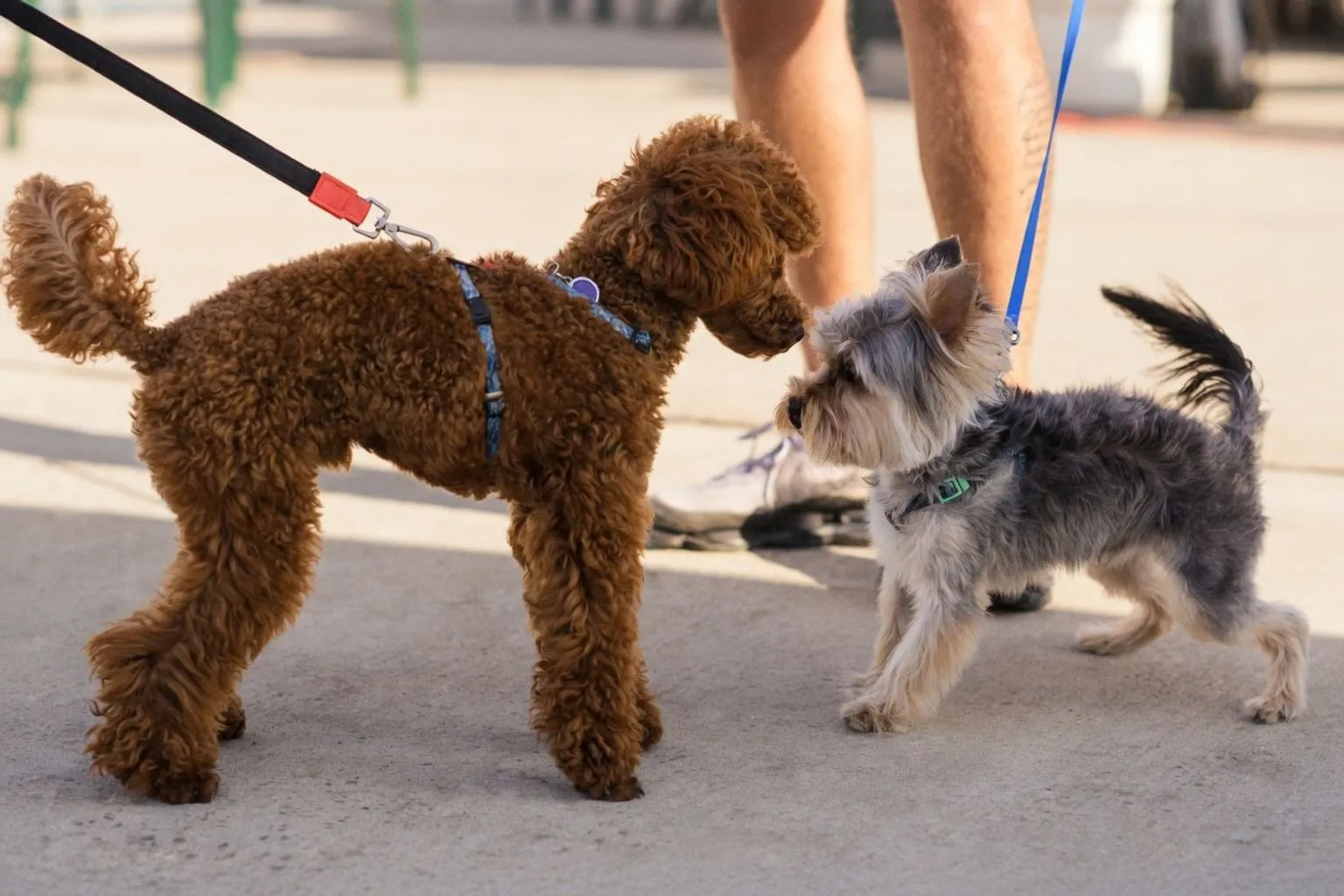
Adem Fehmi, Canine Behaviour Expert at Rover, has outlined a controlled-introduction protocol for households adding a new dog to an existing pet population. According to his guidance reported by the Oldham Times, unmanaged first contact raises the probability of territorial aggression, resource-driven conflict, and chase-instinct activation between mismatched species or life stages. The procedure prioritizes pre-meeting conditioning, scent neutralization, and spatial control before any direct visual contact is permitted.
Baseline Risk Variables
Fehmi identifies four parameters that determine the risk profile of any introduction: temperament, breed traits, past experience, and training history. Behavior challenges in the incoming dog should be remediated before the introduction begins. The remediation timeline is variable and requires measurable progress before proceeding.
Life stage operates as a separate variable. Adult cats may respond to very young puppies with predatory behavior. Kittens typically flee from dogs, activating the canine chase sequence. Adult cats generally hold position and use clear boundary signaling, including a defensive strike. Risk modeling must account for these developmental-stage interactions before any physical meeting.
Resource-based aggression is a primary failure point. Conflict vectors include food, toys, sleeping areas, and human attention. Aggressive response patterns in dogs typically activate when another animal enters the resource perimeter. Mitigation requires physical separation during all resource access until multi-pet tolerance is verified.
Controlled Introduction Protocol
Fehmi prescribes the following ordered sequence.
1. Scent swap. Exchange blankets or rotate rooms between the resident and incoming animal. Log the initial reaction. Use this data to calibrate the next phase.
2. Pre-train a safe space. A crate, pen, or designated room must be conditioned positively before any introduction. Start with close handler proximity and expand distance at the dog's pace.
3. Deploy mechanical barriers. Leads and stairgates manage proximity during the early visual-contact stages.
4. Maintain a calm baseline. Both animals should be physiologically settled — minimal arousal, no residual stress — before any direct contact is permitted.
Dogs with documented separation anxiety require additional stabilization work before a second animal enters the home.
Pre-Contact Safety Checklist
Verify each parameter before initiating contact:
- Both animals are in a calm baseline state
- Scent exchange completed and reaction logged
- Safe space established and positively conditioned for each animal
- Resource access points physically separated
- Leads and stairgates positioned
- Separation-anxiety profile reviewed
- Life-stage interaction risk mapped
- Individual training history of both animals assessed