Protecting Pets During Late Summer Heatwaves: Essential Safety Tips
As we navigate this transition phase between summer and autumn, it’s easy to assume our pets are in the clear.
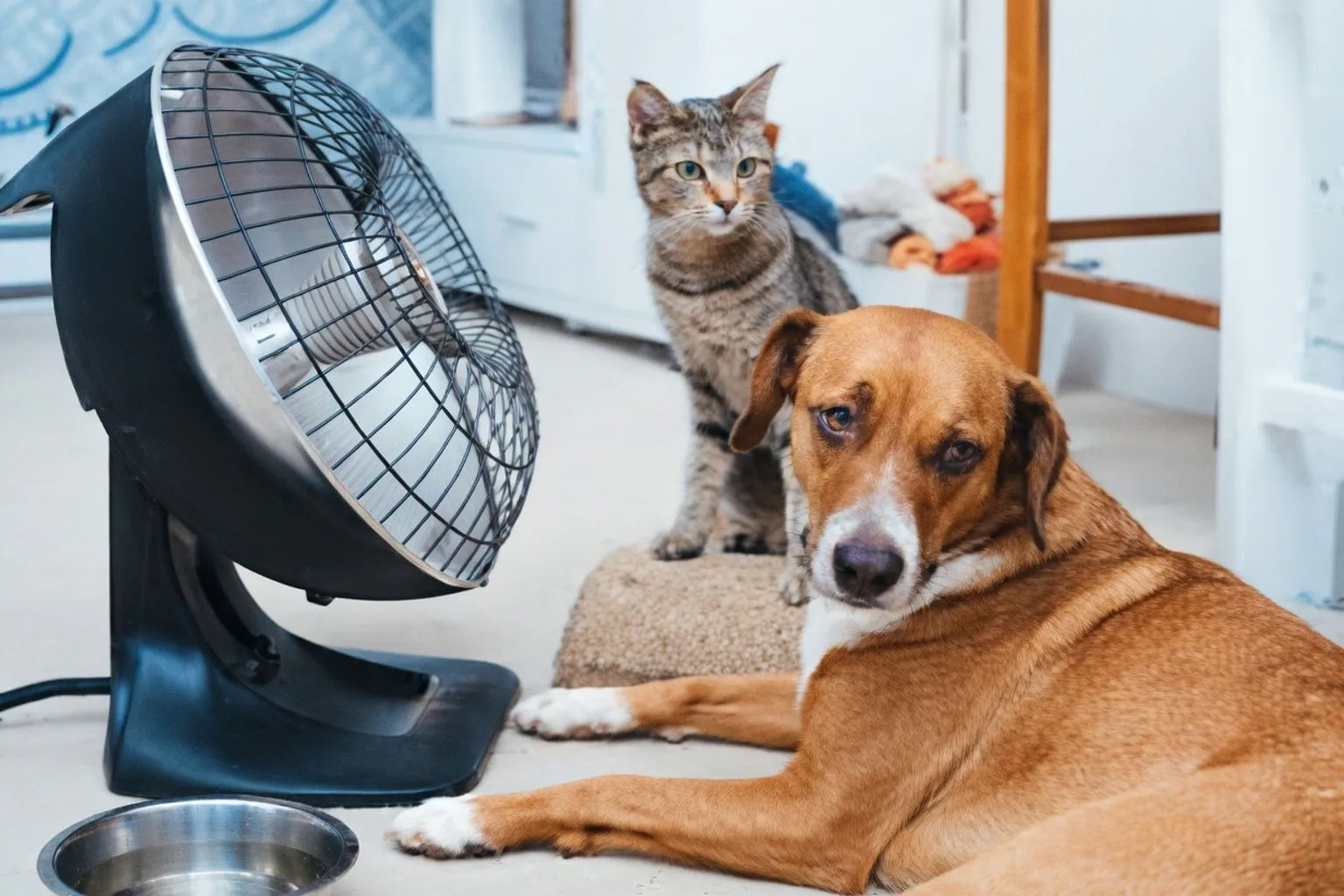
But a fresh reminder from Pet Friendly Services of Indiana highlights a crucial reality check: September’s weather can still bring the kind of heat and humidity that poses serious risks to our companions during walks and outings. Their guidance this week serves as a vital operational update for anyone coordinating daily care for animals.
Why the Calendar Can Be Misleading
The core of the message is simple but important: watch the forecast, not the calendar. As Pet Friendly Services of Indiana points out, a sunny September afternoon can carry the same level of risk as a peak July day. This is a classic example of why building "familiarity anchors"—like established cool-morning walk routines—is so important, but equally vital is the flexibility to adjust that routine based on real-time conditions. For pet owners and sitters alike, the key is to treat any warm day with the same caution you would at the height of summer, especially since pets regulate their body temperature very differently than we do.
Your Practical Heat-Safety Checklist
This advisory translates into a clear set of actionable steps to establish a new baseline comfort for outdoor time. First, the pavement test remains non-negotiable: if you can’t comfortably hold the back of your hand against the asphalt for seven seconds, it’s too hot for paws. This simple check is a cornerstone of safe walking logistics. Second, timing is everything. Shifting exercise to the cooler windows of early morning or late evening is the most effective way to mitigate risk during this lingering heat.
Remember that environmental management is critical. Any pet outdoors must have continuous access to fresh water and full shade. And the reminder about parked vehicles stands firm—cracking windows does not create a safe environment, and interior temperatures can become dangerous in minutes. Air conditioning, not fans, is the only reliable way to cool pets indoors, as fans do not provide the same thermoregulatory benefit for them as they do for us.
Vigilance for High-Risk Companions and Events
The advisory also calls out specific animals that require extra monitoring, including flat-faced breeds like bulldogs, pugs, and Persian cats. Their physiological makeup makes efficient cooling a greater challenge. This is a crucial consideration for professional sitters and walkers managing diverse client rosters.
Finally, this guidance extends to the season’s festivals, hikes, and sporting events. As cooler mornings return, it’s easy to be caught off guard by an afternoon temperature spike. Keeping these precautions in mind during outings ensures we’re providing a standard of care that protects our pets from preventable emergencies. For those planning any travel or transport, resources like the newly launched pet-friendly travel map service can offer additional logistical support for safer adventures.
By integrating these steps into your daily routine, you move from reactive worry to proactive care—a hallmark of thoughtful pet guardianship.