Why Timing Is the Critical Metric for Preventing Canine Heatstroke
AVMA has surfaced a speaker-led briefing in which the central claim is blunt: timing is the deciding variable in canine heatstroke care.
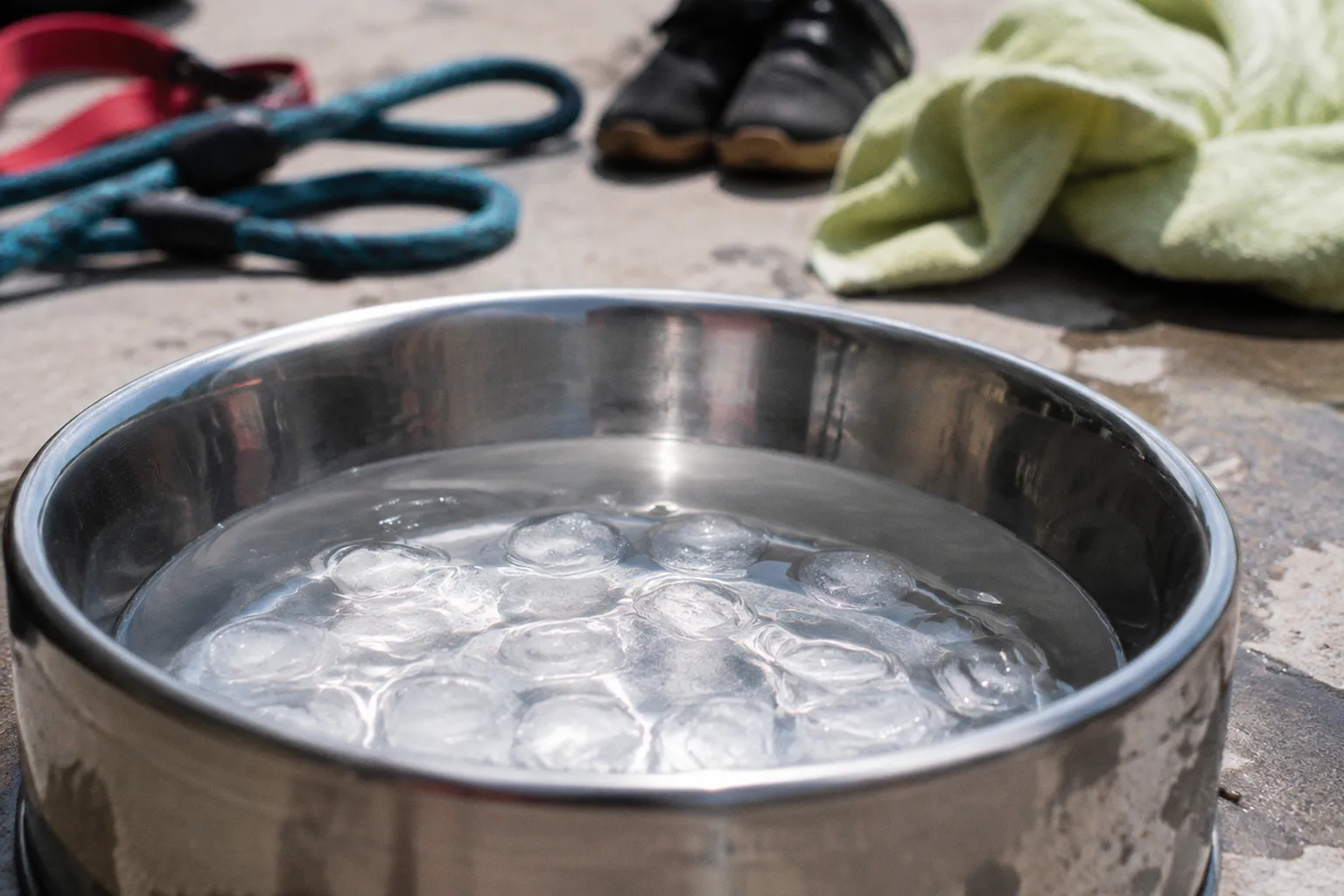
For professional dog walkers and pet sitters, that single framing converts a familiar summer concern into a measurable safety protocol — one with a window, not a warning.
Reading the signal correctly
The available feed carries the headline only, with no accompanying body text. The operational read is therefore narrow but specific. A veterinary authority has elevated timing over symptoms in the heatstroke response chain. This shifts the practitioner's attention from "did the dog overheat" to "how long has the dog been in thermal overload, and what is the remaining cooldown window." Heat exposure becomes a kinetic-chain parameter: ambient load, exertion duration, and time-to-intervention form a sequence, and the failure point is the final link.
For daily route planning, the implication is direct. Walk duration is no longer the only variable; interval timing between exertion and active cooling enters the protocol. A route with no cooldown buffer is operationally distinct from an equivalent route that pauses for thermal regulation at the midpoint. The deciding metric is the window, not the distance walked.
Adjacent signal from AAHA
AAHA has run a parallel piece arguing the One Health case for outdoor activity with pets — the broader rationale for getting dogs outside despite heat exposure. Read alongside the AVMA signal, the combined instruction is not avoidance but structuring. Outdoor time continues; it is bounded by a timing protocol rather than a comfort judgment. Walkers and sitters who previously treated heat as a forecast variable now treat it as a procedural one.
Operational parameters to verify this week
- Route duration cap is set per dog, per ambient condition — not per client preference.
- Mid-route thermal regulation point is identified before departure, not improvised on site.
- Time-to-cooldown target is documented from the first heat-stress sign to active cooling.
- Transport vehicle ventilation is verified prior to pickup; interior surface temperature is checked, not assumed.
- Client escalation contact and nearest emergency clinic are logged before the first summer route, not after the first incident.
- A handler-level rule is in place: when ambient conditions cross the route threshold, the route shortens before it cancels.
The published AVMA and AAHA pieces establish the framing. The operational translation belongs to the handler on the ground.