Essential Operational Checklist for First-Time Pet Adopters
Shelter intake in 2025 reached 5.8 million cats and dogs, and the national shelter population closed the year up by 147,000 animals, according to data cited by NBC10 Philadelphia.
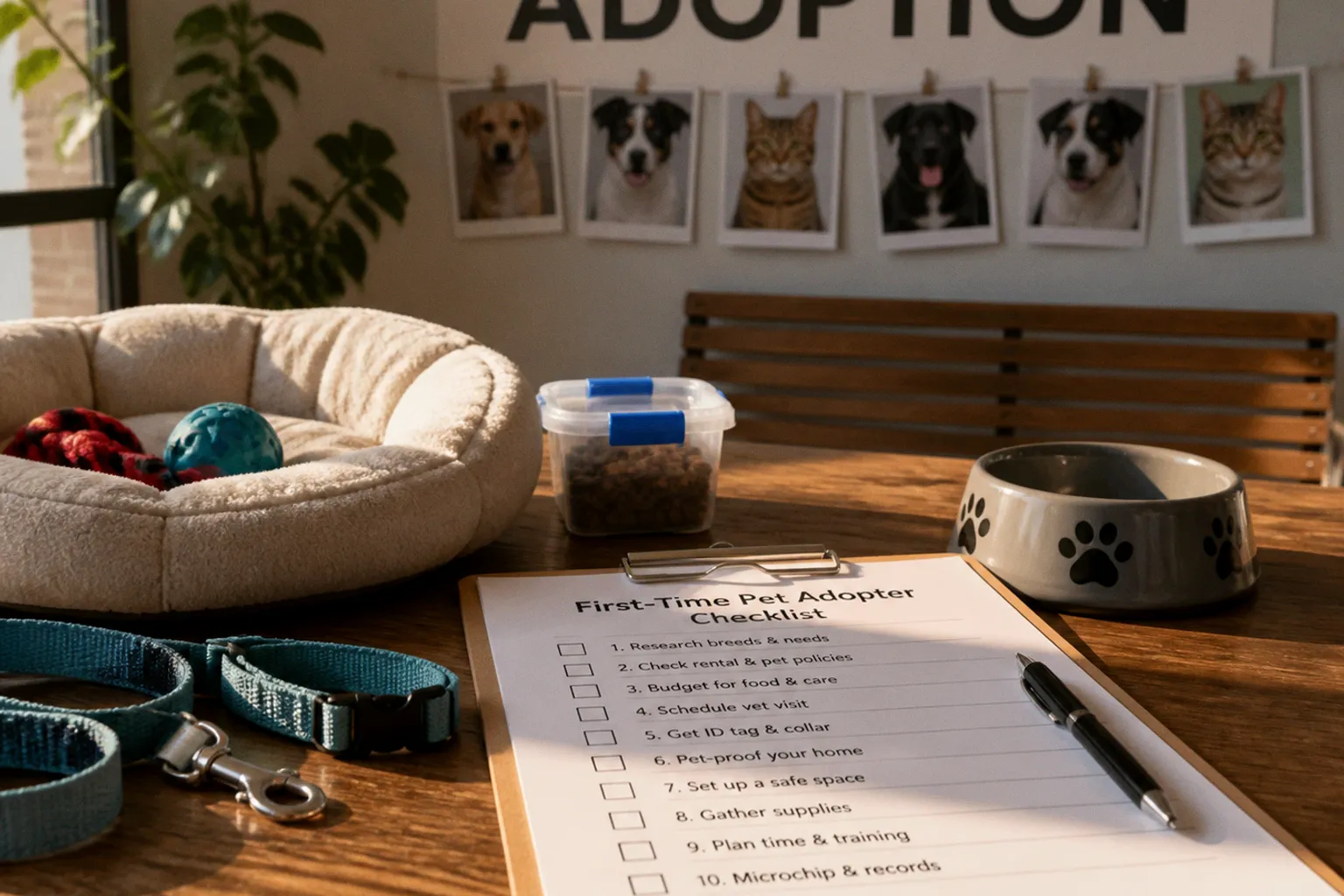
Thinking about adopting your first pet? Here's what to know
That surplus is moving through adoption pipelines during NBC Local's Clear The Shelters campaign, which runs through August with a donation window closing Sept. 15. For first-time adopters, the relevant question is not emotional readiness but operational readiness: controlled intake, baseline health verification, and a defined safety perimeter.
Pre-Intake Screening: What to Measure
Before commitment, evaluate the animal on three measurable axes:
- Gait and locomotion. Observe movement on flat ground at walk and trot. Lameness, head bobbing, hip asymmetry, or weight-shifting away from any limb are disqualifiers for standard walking protocols.
- Body condition. Apply a standardized scoring method. Visible ribs with no palpable fat cover, or inability to palpate ribs at all, both indicate required veterinary intervention before adoption finalizes.
- Handling response. Apply light pressure to paws, ears, and tail. A stable animal tolerates the contact; freeze, snap, or avoidance responses indicate a behavioral case that exceeds a first-time owner's capacity.
Shelter adoption counselors can guide this process, as animal advocate Hannah Shaw noted to NBCUniversal Local. Use them.
Transition Protocol: First 72 Hours
New animals do not acclimate. They map territory and test boundaries. Standard operating procedure:
1. Confine to a single low-traffic room with water, measured feed portions, and a crate or bed positioned against a wall.
2. No visitors. No other pets. No off-leash access.
3. 12-hour feeding schedule. Free-feeding masks appetite loss, which is a primary stress and illness indicator.
4. Log elimination times, food intake, and water consumption. This baseline becomes the evidence trail for the first veterinary consultation.
Stress behavior — hiding, refusal to eat past 48 hours, loose stool, or reactivity to routine household sound — is a data point, not a personality trait. Record it.
Pre-Handover Safety Checklist
Complete every item before the animal leaves the shelter:
- Adoption paperwork reviewed for documented medical history
- Microchip registration transferred to new owner contact data
- Vaccination records obtained and shared with attending veterinarian
- Exercise area secured: fence gaps closed, toxic plants removed
- Collar fitted to two-finger slack. Loose equals escape risk. Tight equals tracheal damage.
- Harness fit verified for load distribution across the thoracic girdle, not the neck
- Veterinary appointment booked within seven days
- Emergency contact list assembled: primary vet, 24-hour clinic, nearest shelter
- First-week walking route defined. Same path. Same time. Daily.
Adoption is not a transaction. It is the start of a 10–15 year maintenance cycle with measurable parameters. The animals are available. The question is whether your household protocol is ready to receive one.