Shelter dog transport: choosing the right logistics path
You've signed up to drive a load of rescue dogs three states over, your inbox is full of logistical questions you didn't think to ask when you volunteered, and somewhere in your garage there's a crate you haven't tested yet.
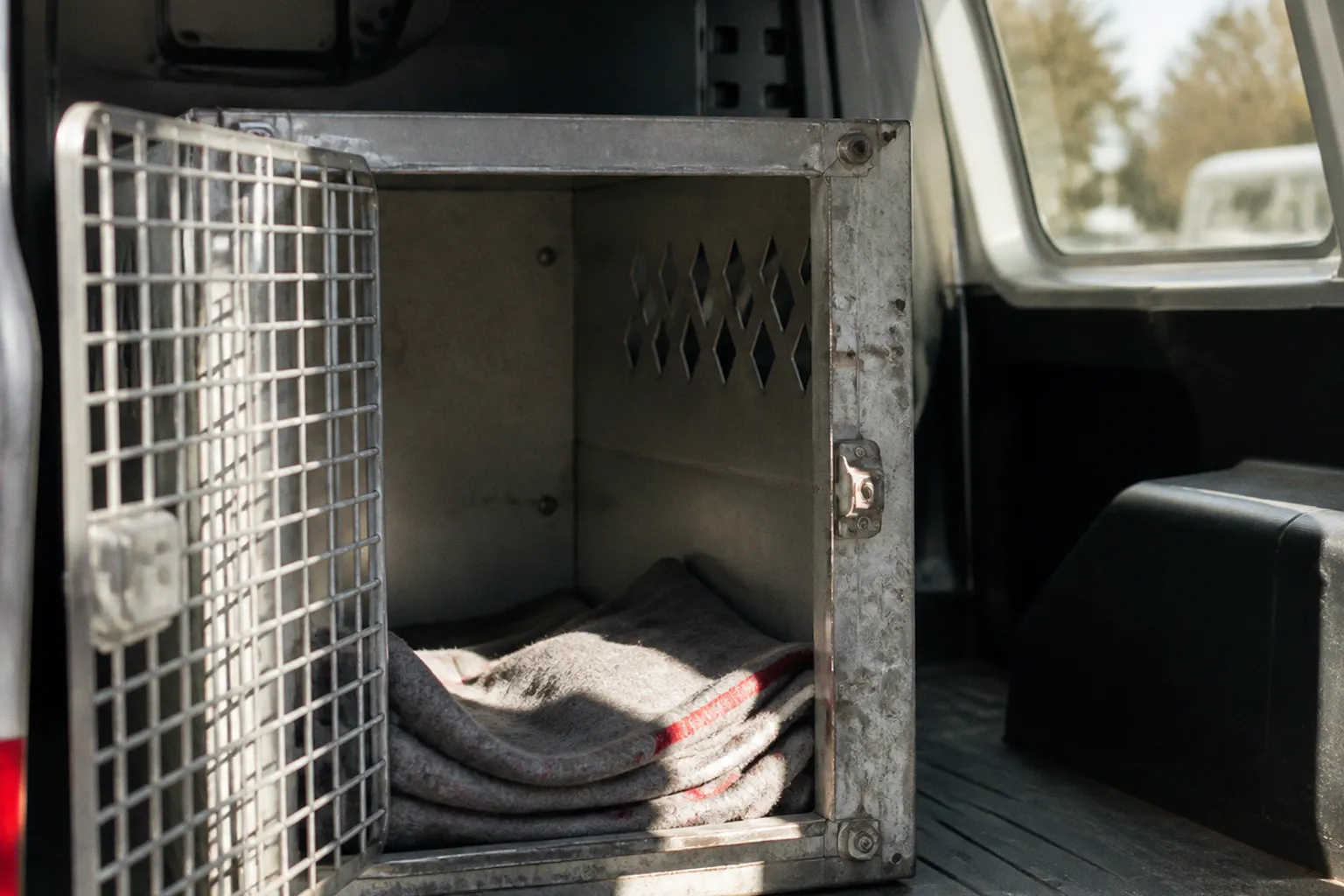
This is the moment most new transport volunteers hit a wall—not because the work is too hard, but because the logistics pile up faster than anyone warned you. Temperature ranges, vaccination windows, surgical recovery timelines, escape protocols, insurance liability, relay handoff points: each one is a separate decision, and getting any of them wrong puts a dog at risk.
Compare car rental deals in United Kingdom
See available offersPartner link — DiscoverCars comparisonVolunteer-driven shelter dog transport has matured into a well-documented practice. Best Friends Animal Society, RedRover, the AVMA, and USDA-APHIS have all published guidance that turns what feels like improvisation into a structured operation with clear safety and compliance checkpoints. Your job, as the driver or coordinator, is to choose the right logistics path for the situation, then run the preparation phases in the right order. The goal is not simply to cover the miles. It is for the dogs to arrive calm, medically accounted for, and ready for the next stage of care.
The two main paths: solo leg versus relay network
Before you touch a crate or check a weather forecast, the first decision is structural: are you running a solo transport leg, or are you joining a relay network where each driver takes a shorter segment and hands the dogs off at a predetermined meeting point?
Both models work, but they solve different problems and carry different operational demands. The choice usually depends on the distance, the number of volunteers an organization can recruit, the dogs' medical profiles, and how comfortable the coordinator is with paperwork that may cross state or international lines.
| Parameter | Solo long-distance leg | Relay network leg |
|---|---|---|
| Route structure | One driver or one driving team covers most or all of the route | Several drivers cover defined segments |
| Driver demand | High: sustained attention, longer fatigue exposure, and more responsibility for troubleshooting | More manageable per person, but dependent on punctual handoffs |
| Climate control | Must remain stable for the entire journey, including rest and breakdown contingencies | The same standard applies on every leg, with shorter exposure for each driver |
| Medical observation | One team maintains continuity across the route | Each handoff must transfer medical information accurately |
| Paperwork | Fewer handoffs, but the driver may carry the full file for the journey | More checkpoints for reviewing records, crate condition, and dog count |
| Best fit | A small, stable load and an experienced driver with a tested vehicle | Long routes, larger moves, mixed volunteer availability, or new drivers |
A relay is not automatically safer simply because each leg is shorter. Every handoff introduces another opportunity for a missed document, an unsecured crate, a wrong address, or a dog being loaded into the wrong vehicle. The network is only as strong as its communication between drivers.
A solo trip has its own pressure. If a dog becomes carsick, the vehicle develops a climate-control problem, or the route closes unexpectedly, there may be no second driver immediately available to help. On a long run, that can turn a manageable delay into a welfare problem.
If you're moving five dogs from a high-intake shelter in the South to a partner rescue in New England, a relay may make it easier to manage fatigue, weather changes, and observation intervals. If you're a seasoned driver with a properly equipped SUV and you're taking three dogs from a nearby shelter to a foster network two hours away, a solo leg may keep the logistics simpler and the handoff count low. Many volunteers end up doing both at different points in their rescue work: start with a relay, learn the compliance rhythm, and take on longer solo legs only when your vehicle, records, and judgment are ready.
The useful question is not “Which method is best?” It is “Which method gives this particular load the most reliable chain of care?”
Climate control and vehicle safety standards
Temperature control is one of the major preventable risks in animal transport. A parked vehicle in summer can heat rapidly, while a failed heater in winter can leave the cabin dangerously cold. The risk is greatest when a driver treats the vehicle as a sealed box that is safe simply because the air-conditioning or heat was working when the trip began.
Best Friends' volunteer guidance recommends maintaining vehicle temperatures between 60°F and 85°F for the duration of transport. USDA regulations establish a 45°F to 85°F range for covered animal transport conditions, with restrictions on how long animals may be exposed outside that range. The practical point is straightforward: the legal range is not a target to approach casually. A responsible transport plan builds in a margin for weather, traffic, loading delays, and mechanical trouble.
Every vehicle should have:
- A working thermometer visible or quickly accessible to the driver.
- A functioning heating and cooling system tested before pickup.
- A backup plan for a breakdown or extended stop.
- Crates secured so they cannot slide, tip, or open during sudden braking.
- Absorbent, washable protection for the cargo area.
- A barrier or layout that keeps crates separate from the driver's controls and line of movement.
- Ventilation that provides fresh air without creating an escape opening.
- A temperature log recorded at departure, during planned stops, and after unexpected delays.
A cracked window is not a climate-control plan. In direct sunlight, the greenhouse effect can make a parked vehicle hazardous before a driver has finished a quick errand. A battery-operated fan, reflective window shades, and access to a climate-controlled indoor location can help, but none of these substitutes for a driver who understands the limits of the vehicle.
If the engine must be turned off during a rest break, know exactly how long the cabin remains within a safe range. Test this before the transport with the same number of crates and comparable bedding. If the vehicle cannot hold a stable temperature for a normal stop, the route needs a different arrangement: a second vehicle, a generator approved for the setting, a staffed climate-controlled location, or a revised schedule that avoids leaving the dogs unattended.
Do not rely on a single reading from the front of the vehicle. A thermometer near the dashboard may not reflect conditions inside a crate or in a rear cargo area exposed to the sun. Place monitoring equipment where the dogs actually travel, while keeping cords and devices out of reach.
The vehicle also needs to be cleanable. A dog who vomits, has diarrhea, or tracks contaminated material into a crate can affect every animal loaded afterward. Use surfaces that can be wiped down, keep clean bedding separate from used bedding, and carry more replacement material than you expect to need. In rescue transport, “probably enough” supplies tend to disappear at the first difficult stop.
A compliant transport vehicle is not the one with the most gadgets. It is the one that keeps the dogs secure and the cabin stable when the schedule stops behaving.
Crate security deserves the same practical attention as temperature. A crate placed loosely on a seat or cargo floor can shift during a hard brake and injure the dog inside. Use appropriate tie-downs, check that doors are latched, and test the setup by applying firm pressure to every crate before departure. If a dog can push the crate into a seat, a door, or another crate, the arrangement needs to be changed.
Medical readiness: vaccination and surgical recovery timelines
Every dog on the manifest needs to clear two separate medical gates before loading. The first is vaccination. Per AVMA guidance used by many rescue programs, core vaccinations should be given several days before transport rather than on the day of departure. The commonly used three-to-five-day window gives the veterinary team time to observe a reaction and gives the dog time to begin developing protection before entering a stressful, high-contact travel environment.
That timing is especially important for dogs moving through shelters, transfer hubs, and foster homes. A vaccine does not erase exposure risk immediately, and a recently vaccinated dog may still be tired, sore, or unsettled. A dog vaccinated on transport morning is not automatically unfit to travel, but the decision requires veterinary judgment and a realistic assessment of the dog's condition—not a box checked because the route is already scheduled.
The second gate is surgical recovery. Many shelter dogs arrive at transport having recently been spayed or neutered. A freshly operated animal is not necessarily a transport-ready animal. Animals should not be transported less than 24 hours after an anesthetic or surgical procedure, and many experienced coordinators prefer a longer recovery window when the route is long or the dog has additional medical concerns.
At pickup, look beyond the paperwork. A dog who is still groggy, vomiting, unable to walk comfortably, refusing water, or showing uncontrolled pain needs a medical review before departure. The correct response is not to “see how they do on the road.” A delayed transport is frustrating; a preventable medical crisis in a moving vehicle is far worse.
The manifest should record, at minimum:
1. The dog's identification, destination, and emergency contact.
2. Vaccine dates and the type of vaccine administered.
3. The date and nature of any surgery or anesthesia.
4. Current medications, dosage instructions, and the next scheduled dose.
5. Feeding and water instructions.
6. The name and contact information of the clearing veterinarian.
7. Any restrictions on exercise, handling, separation, or outdoor exposure.
8. The receiving organization's confirmation that it can accept the dog.
This is not just administrative protection. It is a shared medical passport. If a dog develops a cough en route, the receiving team needs to know what vaccinations were given and when. If an incision appears inflamed, the surgery date helps determine whether the finding may be ordinary postoperative swelling or a problem requiring immediate attention.
The driver should receive instructions in language that does not require interpretation at a highway rest stop. “Give medication twice daily” is less useful than “give one tablet at 8 a.m. and 8 p.m. with food.” If a dog cannot be safely medicated by a volunteer, that limitation belongs on the manifest before the route begins.
Medical clearance is also a coordination issue. A shelter may clear a dog early in the day, while a receiving rescue may not have staff available until evening. The transport schedule must respect both ends. A dog should not spend extra hours in a vehicle merely because the human handoff was convenient.
The “No Paws on the Ground” protocol and pathogen prevention
The moment a transport stops for a break, the dogs need a relief plan. The instinct to walk them on grass beside a highway is understandable—and often unsafe. Shelter dogs may come from environments where parvovirus, distemper, and respiratory infections circulate. Puppies and incompletely vaccinated dogs require particular caution, but adult dogs can also carry or acquire pathogens during a trip.
The “No Paws on the Ground” protocol is designed to reduce exposure during transport stops. Dogs under 16 weeks of age and dogs who are unvaccinated or not yet adequately protected should remain off public ground entirely. That means the route must be planned around the animals' needs rather than improvised at the first rest area.
In practice:
1. Use potty pads or absorbent trays inside the crate, or use a designated indoor relief area approved by the coordinating organization.
2. If an outdoor break is considered for an adult dog with appropriate vaccination status, select a low-traffic, cleanable surface away from areas heavily used by unknown dogs.
3. Carry gloves, waste bags, disinfectant wipes, paper towels, spare bedding, and a sealable waste container.
4. Clean accidents immediately and prevent contaminated bedding from touching clean crates or supplies.
5. Disinfect crate floors and hard surfaces between dogs when carrying mixed loads, using a veterinary-approved product according to its label.
6. Keep puppies, medically fragile dogs, and dogs with incomplete vaccine protection in the strictest version of the protocol.
For puppies, the rule is especially important. They should not be placed on public grass, gravel, or pavement during transport stops. If a load includes young puppies, indoor relief planning must be part of the route before the vehicle leaves the shelter. A coordinator who has not identified those locations has not finished planning the trip.
The same principle applies inside the vehicle. Do not place a used water bowl, soiled towel, or contaminated leash beside clean supplies. Keep each dog's bedding and feeding equipment identified where possible. If dogs from different sources are traveling together, ask the sending organization whether any animal has had recent diarrhea, coughing, nasal discharge, or known exposure to a contagious illness. A transport may need to be postponed or reorganized when the medical risk changes.
The protocol is not about creating a sterile environment. That is impossible in ordinary volunteer transport. It is about removing avoidable exposure points and responding quickly when contamination occurs. A clean-looking rest area can still have a history that the driver cannot see. Good prevention treats the environment as uncertain and the supplies as limited.
Driver fatigue management and relay coordination
Fatigue undermines every other safety measure. A tired driver may still know the correct temperature range and the correct handoff procedure, but may overlook a warning light, forget a medication time, or fail to notice that a crate latch has shifted.
Long-distance transports should use two drivers where possible, with planned rotations and regular stops to check the animals, offer water, clean crates, and assess comfort. The exact timing depends on the route, weather, traffic, and the dogs' medical needs. A schedule should never be so tight that the driver has to choose between a safe stop and making the next handoff window.
For a solo leg, the arithmetic can become unforgiving. A 12-hour drive involves extended concentration, multiple animal-care tasks, and the possibility of delays. Breaking the route into day segments—driving for part of the day, staying overnight at a vetted boarding or foster location, then completing the journey after rest—may be safer than treating the entire distance as a test of endurance.
An overnight location needs its own verification. Confirm that it can separate the dogs appropriately, maintain climate control, accept the animals at the expected time, and provide a secure loading area. A vague promise that “someone will be around” is not a lodging plan.
Relay coordination works when the handoff is treated as an operational event rather than a parking-lot exchange. Before departure, every driver should have:
- The full route and the contact information for each handoff.
- A clear arrival window and a procedure for reporting delays.
- The dog list, crate assignments, and destination information.
- Medical records and medication instructions.
- The temperature log and any incident notes.
- Instructions for what to do if a dog becomes ill, a driver cannot continue, or the receiving person is absent.
At the handoff, count the dogs, inspect the crates, confirm the paperwork, check the animals' visible condition, and review any changes since departure. The receiving driver should not be expected to discover that a dog has vomited, missed a meal, or received medication only by reading a hurried text message.
Build slack into the schedule. A delayed driver can cause a chain reaction across an entire relay. Weather, road construction, a veterinary stop, or a crate-cleaning problem can all add time. If the route has no room for a delay, it is already too fragile.
A relay becomes a real system at the handoff: records, crates, dogs, and expectations all have to move from one driver to the next without gaps.
Fatigue management also includes the volunteer's limits. A driver who feels too tired to continue should be able to stop without being treated as unreliable. The coordinator's job is to solve the route, not to pressure someone into driving beyond a safe threshold.
Legal compliance and escape-prevention protocols
Two compliance layers sit on top of the operational plan: the rules governing animal transport and the physical procedures that keep the dogs inside the vehicle.
In the United States, the federal baseline includes the Animal Welfare Act, which regulates certain animal transportation activities by commercial carriers. Commercial transporters moving covered animals may need USDA registration and may be subject to vehicle and recordkeeping requirements. A volunteer transporting dogs on behalf of a rescue may be treated differently from a paid commercial carrier, but that distinction should not be guessed from an online discussion. State requirements, the purpose of the movement, payment arrangements, the type of organization involved, and the animals' destination can all affect the analysis.
A rescue coordinator should determine which rules apply before the route is published. Ask the sending and receiving organizations who is responsible for health certificates, interstate certificates of veterinary inspection, import permits, vaccination records, and any destination-specific requirements. International movement adds another layer involving border documentation, identification, vaccination timing, and carrier rules.
Do not assume that “volunteer” means “ exempt from everything.” Nor should a driver assume that a rescue's nonprofit status transfers responsibility away from the individuals handling the dogs. Confirm the requirements with the organization, the relevant state animal-health authority, or a qualified veterinarian familiar with interstate transport.
Escape prevention begins before the first dog enters the vehicle. Inspect every crate for broken bars, loose bolts, bent doors, and weak handles. Confirm that the crate is large enough for the dog to stand, turn, and lie down comfortably, but not so large that the dog can build enough momentum to force the door. Check the latch twice after loading. If a dog is fearful, strong, or known to be an escape artist, use the rescue's approved secondary restraint or containment method rather than improvising with household equipment.
A secure loading sequence usually includes:
1. Close vehicle doors before opening any kennel or crate.
2. Move one dog at a time and confirm its identification at the vehicle.
3. Keep a slip lead on the dog until it is fully secured, unless a veterinary or welfare concern makes that unsafe.
4. Verify the crate label against the manifest and destination.
5. Fasten the crate to the vehicle and test the door and tie-downs.
6. Record the dog's condition before departure.
7. Repeat the check after the first stop, after any major road event, and at every handoff.
Never open a crate in a parking lot simply because a dog is barking, drooling, or appears uncomfortable. Pull into a secure, enclosed location whenever possible. If a crate must be opened, create a second barrier first: a closed vehicle door, a secure interior room, or another containment layer. A dog that slips out at a busy rest area may be frightened, disoriented, and difficult to recover.
Harnesses and collars also require inspection. Identification tags should be attached securely, and microchip information should be verified when the rescue's procedures allow it. A collar that is too loose can slide over a dog's head; one that is too tight can create a welfare problem. The transport coordinator should know which dogs require extra handling precautions and should pass that information to every driver, not just the first one.
Legal compliance and physical security support each other. Accurate records show who accepted the dog, where the dog was transferred, what condition the dog was in, and what instructions were provided. Secure equipment prevents a momentary loading error from becoming a lost-dog emergency. Neither replaces the other.
Choosing the logistics path for the actual load
Once the major risks are visible, the decision between solo and relay transport becomes less abstract. Start with the dogs, not the map.
A group of healthy adult dogs traveling a moderate distance may fit a solo leg if the vehicle is tested, the driver is rested, and the destination can receive them without delay. A mixed load containing puppies, recently altered dogs, medically fragile animals, or dogs with behavioral handling notes may be better divided into smaller legs—or separated into different vehicles entirely.
The route should answer several practical questions before anyone volunteers:
- Where can the driver stop without putting vulnerable dogs on contaminated ground?
- What happens if the vehicle loses heating or cooling?
- Which locations can provide emergency veterinary care?
- Where can a relay handoff happen securely and legally?
- Who has authority to postpone the trip if a dog is not medically ready?
- How will the organization respond if a driver, vehicle, or receiving contact drops out?
- Which records must travel with the dogs, and who holds copies?
The best transport plan is rarely the fastest one. It is the one with enough resilience to absorb an ordinary problem without turning it into an emergency. That may mean fewer dogs per vehicle, a longer route with better indoor stops, an overnight break, or another driver added to a leg that looked manageable on paper.
Volunteer animal rescue logistics depend on disciplined preparation because the dogs cannot explain what they need when the plan fails. They rely on the driver noticing the temperature, reading the medical record, securing the crate, and making the conservative call when something is uncertain.
Shelter dog transport methods for volunteer drivers are not competing philosophies. Solo trips and relay networks are tools. Use the solo model when continuity, a short route, and an experienced team make it dependable. Use a relay when distance, fatigue, staffing, or weather make shared coverage the more responsible choice. In either case, the standard remains the same: a stable vehicle, medically ready dogs, controlled exposure, rested drivers, complete records, and containment that does not depend on luck.
The route is only successful when the dogs arrive safe enough to begin what comes next.