Rescue relay transport: common pitfalls for volunteer drivers
Rescue relay transport rarely fails because a volunteer does not care. It fails in the narrow spaces between good intentions and consistent procedure: a collar that was never checked, a crate that…
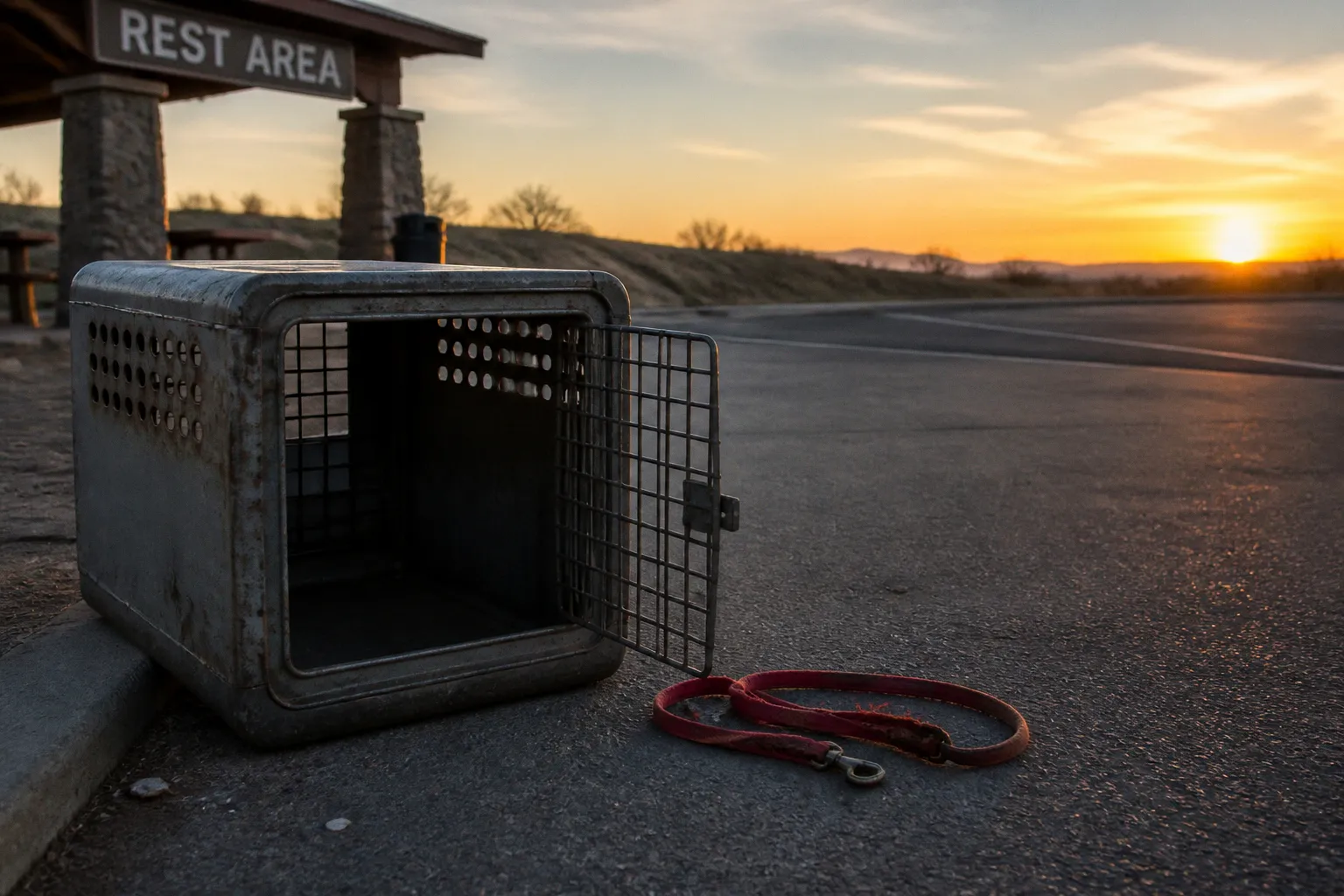
Rescue relay transport rarely fails because a volunteer does not care. It fails in the narrow spaces between good intentions and consistent procedure: a collar that was never checked, a crate that can slide during braking, a handoff made beside a busy road, or a driver who assumes the rescue’s insurance will automatically cover every consequence.
Each leg is a controlled transfer of a living animal between two points. The driver may be meeting the dog for the first time, working from incomplete behavioral information, and handing the animal to another unfamiliar person a short time later. That makes the relay format efficient, but it also creates repeated moments of exposure. Every transfer, stop, opening door, and change in temperature is another opportunity for an escape, injury, illness, or dispute.
The strongest rescue dog relay logistics are not complicated. They are repeatable. The same precautions are used when the dog appears calm, when the route seems short, and when everyone is running late. A volunteer driver’s job is not to improvise a perfect solution under pressure. It is to reduce the number of situations in which improvisation is needed.
Securing the Handoff: Double-Leashing and Escape Prevention
The handoff is one of the most vulnerable points in a transport. The dog is moving through an unfamiliar environment, often between vehicles, while several people are talking, doors are opening, and traffic or other animals may be nearby. A dog that behaved quietly for the previous driver can still bolt when a new person reaches for the leash.
Escape prevention begins before the vehicle door opens. The receiving driver should know where the dog is secured, which collar or harness is being used, whether the animal has attempted to back out of equipment, and whether there are any restrictions on handling. These details belong on the run sheet or in the coordinator’s instructions, not solely in someone’s memory.
Double-Leash Protocol
The basic countermeasure is independent redundancy. Use two separate forms of control during the transfer whenever the dog’s equipment and the rescue’s instructions allow it:
- A properly fitted collar or harness attached to the primary leash.
- A separate slip lead or secondary leash used as a backup.
- Two independent attachment points rather than two clips attached to the same weak ring.
- One handler responsible for maintaining control while another opens doors, moves crates, or clears the path.
The two attachments should not be treated as decorative backups. They need to be held and managed so that one failure does not leave the dog loose. Before the handoff, inspect the clips, rings, stitching, collar fit, and leash material. A secondary lead is useful only if it is actually in place before the primary equipment fails.
A frightened dog can reverse out of a collar that seemed secure in the shelter. A harness can be loose enough for a determined animal to wriggle free. Some dogs chew through leads; others freeze, then explode forward when a vehicle door opens. Ask the coordinator or sending shelter about known escape behavior, handling restrictions, bite history, and whether the dog must be transferred by crate rather than leash.
The safest handoff has a clear sequence:
1. Park before the exchange begins. Engage the parking brake and keep the vehicle positioned away from moving traffic.
2. Agree on who is holding the dog and who is handling the crate, doors, paperwork, and equipment.
3. Attach the secondary control before disconnecting or moving the primary one.
4. Keep the vehicle doors closed on both vehicles until the receiving handler is ready.
5. Move the dog through the shortest practical route, without stopping for greetings or photographs.
6. Confirm that the receiving vehicle is secured before removing the dog from the handoff position.
7. Close and test the door, crate, or barrier before anyone releases a leash.
The order matters. “We’ll just switch quickly” is how a controlled transfer becomes a gap in control.
The handoff is not a social moment. It is a containment procedure with two people, two points of control, and no unnecessary movement.
Crating Requirements by Animal and Situation
A crate is often the safer choice for cats, small animals, puppies, dogs with a strong flight response, and any animal whose handling instructions specifically require containment. Breed labels alone should not determine the decision. A large, calm dog may travel safely in a properly secured harness, while a smaller, anxious dog may be a serious escape risk.
Use a crate when:
- The rescue requires it because of the animal’s behavior, medical condition, or history.
- The animal is a cat or another species that can slip through openings or retreat from a harness.
- The dog has demonstrated leash-chewing, backing out, panic, or unpredictable lunging.
- The driver cannot maintain safe physical control while entering or exiting the vehicle.
- The route includes frequent transfers, unfamiliar environments, or weather that makes an open-door handoff riskier.
The crate must be large enough for the animal to sit, stand, turn, and lie down normally, but not so oversized that the animal can be thrown around inside it during a sudden stop. It should be secured with the vehicle’s seat-belt system or another restraint designed for that purpose. Bungee cords, loose straps, and improvised ties may not prevent movement in a collision and can create additional entanglement hazards.
Do not place a crate where it can block the driver’s view, interfere with airbags, shift into the footwell, or obstruct emergency exit. Before departure, push against it firmly from several directions. If it moves substantially, the setup is not finished.
Climate Control and Cabin Safety Standards
A transport vehicle is a changing environment. The temperature outside, direct sunlight, traffic delays, humidity, airflow, the animal’s coat, age, health, and stress level all affect how safely the dog can travel. A cabin that feels comfortable to a person in the front seat may be too warm for an anxious dog confined behind a barrier or inside a crate.
Thermal problems can develop quietly. Panting may be caused by fear, heat, motion sickness, pain, or some combination of them. The driver should not wait for collapse before responding. Watch for heavy or worsening panting, excessive drooling, weakness, vomiting, confusion, pale or unusually dark gums, inability to settle, or a change in responsiveness. These signs require a safe stop and prompt contact with the rescue or veterinary support—not an attempt to finish the leg quickly.
Before the Animal Enters
Precondition the cabin before loading the animal. Confirm that the air conditioning or heating system is functioning, that air can reach the animal’s location, and that the crate or restraint is not positioned in direct sun. If the vehicle is already hot, do not load the dog and hope the temperature will normalize during the first part of the drive.
Do not rely on a cracked window as a substitute for active climate control in warm weather. Air movement through a small opening may be inadequate, and an anxious dog may focus on the gap as an escape route. Conversely, a sealed vehicle can become unsafe if the climate system fails or if a traffic delay extends the journey.
A practical cabin check includes:
- Temperature and airflow at the animal’s actual position, not only at the dashboard.
- A stable crate or restraint that does not sit against a hot window.
- Adequate ventilation without a gap large enough for the animal to reach or exploit.
- A plan for a mechanical failure, traffic standstill, or sudden weather change.
- A charged phone and a way to contact the coordinator if the route must be interrupted.
Never leave a transported animal unattended in a parked vehicle. “Just running inside” is not a climate-control plan. Conditions can change rapidly, and a locked vehicle may also prevent immediate intervention if the animal panics, vomits, becomes tangled, or shows signs of heat distress.
Windows, Barriers, and Cabin Layout
Windows should be closed or limited in a way that prevents the animal from reaching the opening. A window lock, physical limiter, crate cover, or properly positioned barrier can be appropriate depending on the vehicle and the dog. Do not improvise with an object that can fall into the animal’s space, become a choking hazard, or interfere with the window mechanism.
The dog’s head should not travel outside the window. Apart from the escape risk, wind, grit, insects, and sudden braking can injure the eyes and respiratory tract. A dog leaning into the airflow may also become difficult to control when the vehicle stops.
Keep the cabin free of loose equipment. Water bottles, tools, paperwork, carriers, and bags can become projectiles or end up beneath the pedals. Leashes should be secured where they remain accessible but cannot wrap around the dog, the driver, or the steering column. The driver should be able to see the road and reach the controls without turning to manage the animal.
If climate control cannot be maintained, stop in a safe location, inform the coordinator, and make a decision based on the animal’s condition and the rescue’s emergency instructions. Continuing because the next relay driver is waiting is not a safety argument.
The “No Paws on the Ground” Policy for Vulnerable Animals
Parvovirus and other infectious threats make public surfaces a serious concern for puppies, incompletely vaccinated dogs, animals with unknown vaccination records, and dogs coming directly from high-density shelter settings. The risk is not limited to obvious waste. Contaminated shoes, tires, crates, hands, grass, pavement, and shared equipment can all carry infection from one location to another.
The rescue should identify vulnerable animals on the run sheet and give the driver clear instructions before departure. If the status is unknown, ask. Do not assume that a dog who looks healthy is safe to place on a shelter parking lot or public rest-area grass.
Applying the No-Paws Rule
For a vulnerable animal, the cleanest procedure is direct transfer from one contained space to another:
- Line the crate with absorbent pads and carry replacements.
- Keep the animal inside the vehicle or in a controlled carrier whenever possible.
- Move the dog from crate to crate, or from one handler to another, without placing paws on shared outdoor surfaces.
- If a temporary set-down is unavoidable, place a clean, disposable barrier underneath first and remove it immediately afterward.
- Keep the dog away from public grass, relief areas, shelter walkways, and surfaces used by unknown animals.
- Wash or sanitize hands between handling the animal and touching shared equipment, while following the rescue’s disease-control protocol.
- Clean crates, bowls, leads, and vehicle surfaces between animals with products appropriate for the pathogen of concern.
Puppy pads are useful, but they are not a substitute for containment. A pad placed on a contaminated surface can become part of the contamination pathway, especially if it is dragged through the vehicle afterward. Carry used materials in a sealed bag until they can be discarded safely.
The same principle applies to the driver’s own pets. A personal dog that has visited a dog park, boarding facility, grooming salon, or shelter can bring organisms into the transport vehicle even when it appears completely well. That is one reason the personal-pet restriction is operational, not merely a matter of convenience.
“No paws on the ground” is not an expression of excessive caution. It is a way to keep one transport leg from becoming an exposure event for the receiving shelter.
The policy also requires discipline during bathroom stops. The driver may need to stop for personal reasons, fuel, food, or a route delay, but the vulnerable animal does not automatically need to leave the vehicle. Plan the leg around the animal’s known needs, carry the necessary supplies, and contact the coordinator if the original plan no longer works.
Dietary Management and Personal Pet Restrictions
Motion sickness, stress-related diarrhea, vomiting, and refusal to eat are common transport problems. They are not always preventable, particularly in animals with medical conditions or severe fear, but careless feeding can make them worse.
The driver should treat the run sheet as the source of truth. It should state when the animal last ate, what food it receives, whether medication is due, whether water restrictions apply, and what signs require veterinary contact. If the information is missing, ask the coordinator rather than filling the gap with a familiar routine.
Feeding and Water
Avoid introducing new food during a relay. A treat that seems harmless can trigger vomiting or diarrhea in a dog with food sensitivities, a history of gastrointestinal disease, or an unknown background. Do not substitute brands, offer table food, or reward a frightened animal with whatever happens to be in the vehicle.
Meal timing should follow the rescue’s written instructions and the animal’s normal schedule. Some dogs travel better after a small, familiar meal; others need a longer interval after eating. There is no single feeding rule that fits every animal, and a driver should not invent a rigid interval when the medical history is unknown.
Water should be available in a controlled way. Offer it according to the rescue’s instructions, especially during longer legs or warm conditions, but avoid encouraging a distressed dog to gulp a large amount immediately before the vehicle moves again. Spills also create a wet, slippery crate and can leave the animal cold or uncomfortable.
Monitor the dog after drinking or eating. Repeated vomiting, bloody diarrhea, marked lethargy, breathing difficulty, abdominal swelling, or inability to keep water down should be reported immediately. A driver should never give human medication or an unfamiliar anti-nausea product unless a veterinarian or authorized rescue representative has specifically instructed them to do so.
Personal Pets
Personal pets should not ride along on a rescue transport unless the organization has explicitly designed the trip for that arrangement and assessed the risks. In ordinary relay work, the safer standard is simple: the rescue animal travels without the driver’s own dog or cat.
A personal pet can create several problems at once:
- The rescue dog may become defensive, fearful, possessive, or reactive in the confined cabin.
- The personal pet may be injured by an animal whose stress signals were not obvious at pickup.
- Disease can pass between animals with incomplete or unknown health information.
- The driver’s attention becomes divided during loading, stops, navigation, and emergency decisions.
- A loose personal pet can complicate an escape response or block access to the rescue animal.
This is especially important when a dog is being transported for shelter placement, medical treatment, foster intake, or behavior assessment. The trip is not a socialization exercise. The dog needs a predictable, low-stimulation environment.
If the driver cannot arrange care for a personal pet, the correct choice is to decline the leg early enough for the coordinator to reassign it. That may create inconvenience and can affect volunteer pet transport costs, but a reassignment is less expensive than a bite, an escape, a veterinary emergency, or a failed relay.
Navigating Legal Liability and Regional Licensing Requirements
Volunteer status does not erase legal or financial exposure. The exact rules depend on the country, state, province, vehicle, route, organization, and purpose of the transport. A driver may be unpaid and still be operating within a regulated activity. The rescue may have insurance and still leave gaps in the driver’s personal coverage.
No one should accept a long-distance or cross-border leg based on verbal reassurance alone. Ask the coordinator what coverage applies, whose policy responds first, and what documentation the driver must carry. Keep the answer in writing.
Insurance and Liability
A rescue’s organizational policy may cover claims against the organization, but that does not automatically replace the driver’s personal auto insurance, medical insurance, or liability protection. Policies can contain exclusions for vehicle use, business activity, animal transport, or unauthorized drivers. Even when the transport is unpaid, the insurer may want to know how the vehicle is being used.
Before the first run, the driver should:
- Confirm that personal auto insurance is active and that the intended transport activity is not excluded.
- Ask whether transporting an animal on behalf of a rescue changes the policy’s treatment of an accident.
- Confirm who is responsible for damage to the vehicle, equipment, or crate.
- Understand what happens if the animal injures the driver, a member of the public, another animal, or a receiving volunteer.
- Keep the rescue’s emergency contact, insurance information, and written transport authorization available.
- Know whether the organization requires a volunteer agreement, driver screening, or incident report.
The driver should also understand ordinary road liability. A frightened dog that interferes with the steering wheel, pedals, gear selector, or driver’s vision can contribute to a collision. The animal must be restrained before the vehicle moves, and the driver should not attempt to handle a loose dog while driving.
Licensing and Regional Rules
Licensing requirements vary widely. In some jurisdictions, transporting animals for a rescue may fall under rules concerning commercial carriage, animal welfare, charity operations, interstate movement, or vehicle standards. In others, a volunteer arrangement may be treated differently from paid transport. Crossing a regional or national border can add vaccination, identification, health certificate, import, or quarantine requirements.
The United Kingdom is a useful example of why assumptions are dangerous. Animal transport rules can depend on the distance and purpose of the journey, whether the transport is connected to an economic activity, the organization’s status, and the driver’s role. Requirements may include an authorization or transporter license, vehicle approval, records, and limits related to the welfare of animals during travel. A short volunteer leg should not be assumed to have the same legal treatment as a commercial or charity-organized journey over a longer route.
For journeys involving the UK, check the current guidance from the relevant government authority and confirm the rescue’s own compliance process before accepting the assignment. Do not rely on an old message from another volunteer or on the idea that “the rescue has done this before.” Rules and interpretations can change, and the organization—not the individual driver alone—should be able to explain why the route is compliant.
In the United States, requirements can differ between states and may involve departments of agriculture, animal health, transportation, or local authorities. A relay that crosses state lines may require more documentation than a local shelter transfer. The coordinator should identify the applicable requirements, especially where the animal is entering a shelter, foster network, quarantine setting, or veterinary facility.
Documentation and Cost Planning
Good records protect the animal and clarify responsibility. Carry or keep offline access to:
- The animal’s identification, destination, and emergency contacts.
- The sending and receiving organization’s names and phone numbers.
- Medical instructions, medication details, feeding notes, and vaccination information supplied by the rescue.
- The agreed route, relay times, and handoff locations.
- Any authorization, license, health certificate, or transport agreement required for the journey.
- Receipts for approved fuel, tolls, parking, cleaning, or emergency supplies.
Volunteer pet transport costs should be discussed before the vehicle leaves. Some rescues reimburse fuel or tolls; others rely entirely on donated mileage. A driver should know whether an unexpected veterinary visit, crate replacement, cleaning expense, or route change is authorized. Clear expectations prevent resentment and avoid forcing a volunteer to choose between personal finances and the animal’s immediate safety.
The same applies to handoff locations. A busy service station may be convenient, but it can be a poor place to transfer a frightened dog. Whenever possible, use a quiet, secure location with enough space to keep vehicles away from traffic and doors closed until both handlers are ready. If local rules or the rescue’s policy require a particular type of transfer point, follow that instruction rather than choosing the most convenient parking space.
Making the Relay Leg Work in Practice
The best animal rescue volunteer driver guide is not a collection of dramatic emergency stories. It is a description of the small decisions that prevent emergencies from forming.
Before departure, read the entire run sheet. Look for gaps in the information: unknown vaccination status, missing medication instructions, no note about escape behavior, no confirmed destination contact, or a handoff location that has not been agreed upon. Ask questions while there is still time to change the plan.
At pickup, inspect the animal’s equipment yourself. Do not assume that a collar is correctly fitted because it came from a shelter or that a crate is secure because it was used on the previous leg. Confirm the animal’s identity, count the belongings, check the paperwork, and record any visible concern before leaving.
During the drive, keep the animal contained and observe without constantly disturbing it. A dog that is quiet may be resting, shutting down, or becoming unwell. A cat that is silent may still be frightened. Do not open a carrier in an unsecured environment because the animal “needs reassurance.” Reassurance comes from a stable, quiet setup, not from adding escape opportunities.
If something changes, stop and communicate early. Examples include:
- The animal escapes its collar or begins repeatedly trying to break out of the crate.
- The vehicle loses air conditioning or becomes unsafe in changing weather.
- The dog vomits repeatedly, has difficulty breathing, collapses, or appears confused.
- The planned handoff site is crowded, unsecured, or inaccessible.
- The receiving driver does not arrive and the animal cannot safely remain in the current setup.
- The route becomes impossible because of traffic, road closure, mechanical trouble, or a personal emergency.
Do not conceal a problem to preserve the schedule. A delayed relay can be reorganized. An unreported escape, illness, or equipment failure can follow the animal to the next leg and put several volunteers at risk.
The driver should also report near misses. A collar that loosened, a crate that shifted, a window that opened farther than intended, or a dog that almost reached the door is useful information. It allows the rescue to change equipment and instructions before the same weakness appears on another run.
A Safer Standard for Volunteer Drivers
There is no single piece of equipment that makes rescue transport safe. Safety comes from layers: accurate information, secure containment, a controlled handoff, suitable climate, infection prevention, disciplined feeding, no personal pets, and a clear understanding of legal and financial responsibility.
When those layers are in place, the relay becomes less dependent on luck and individual confidence. The driver does not need to be a professional trainer or veterinary technician. The driver does need to recognize the limits of the assignment, follow the rescue’s instructions, and pause when the conditions no longer support safe transport.
A volunteer can decline a leg because the equipment is missing, the animal’s medical instructions are unclear, the vehicle cannot maintain a safe cabin, the handoff location is unsecured, or the insurance question has not been answered. That is not failing the rescue. It is protecting the animal, the next driver, and the transport network itself.
The purpose of protocol is not to make volunteer work rigid. It is to make a chain of unfamiliar people reliable. In rescue relay transport, reliability is what gets the dog to the next door without adding another emergency to the story.