Rescue volunteer paths: which option fits your lifestyle?
The question is rarely, “Do I care enough to help rescue animals?” Most people asking about animal rescue volunteer paths have already answered that.
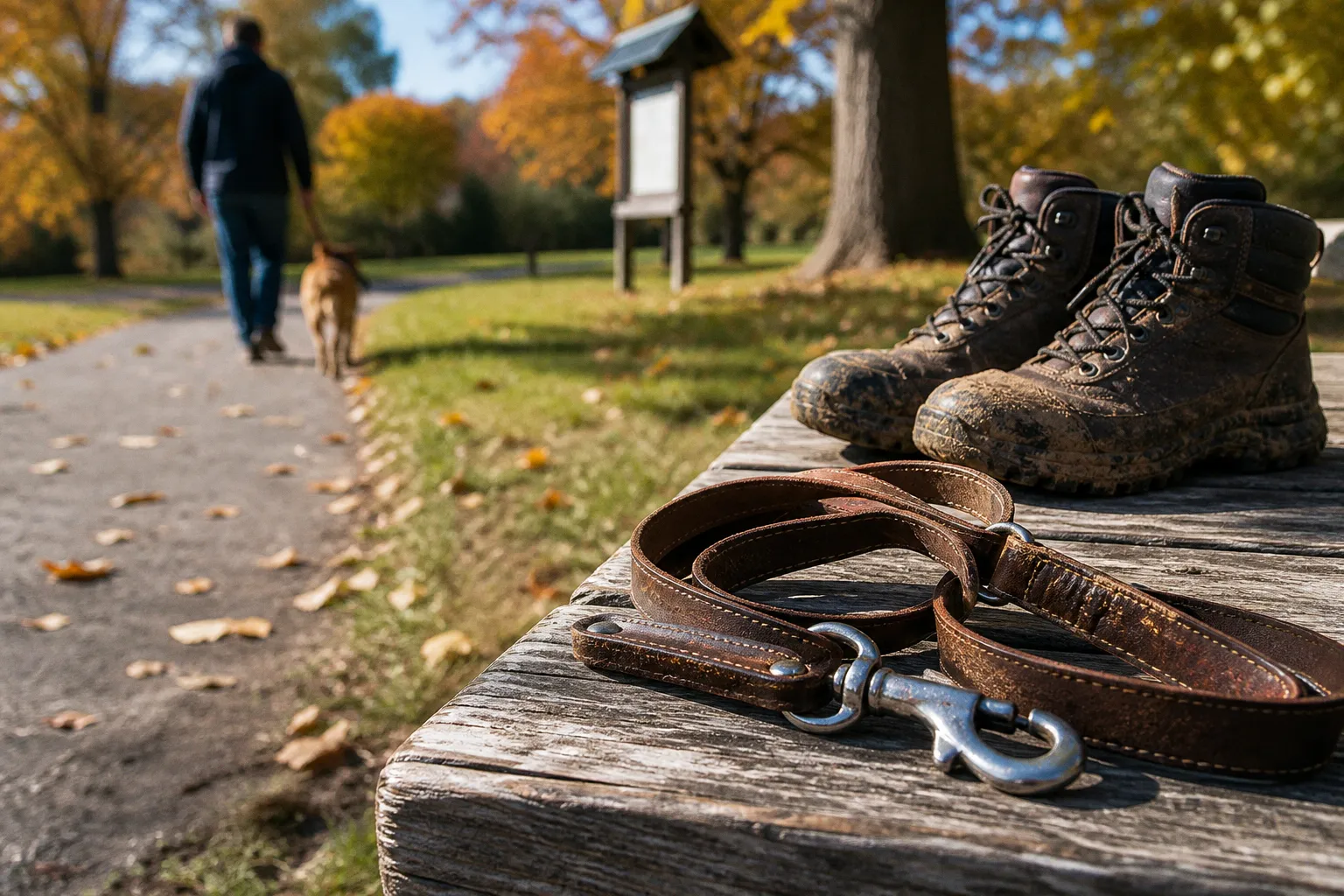
The harder question is whether the role that sounds meaningful on a Saturday morning still fits on a rainy Wednesday, during a busy work month, or when a foster dog has had a difficult night.
Compare car rental deals in United Kingdom
See available offersPartner link — DiscoverCars comparisonRescue work runs on consistency rather than grand gestures. A shelter dog does not experience a volunteer shift as a line item on someone’s calendar; it experiences the same calm person arriving, clipping on a leash safely, noticing that its appetite has changed, or providing a quiet place to decompress after surgery. That is why the best role is not necessarily the most hands-on or emotionally dramatic one. It is the role you can carry through its full transition phase without overextending yourself or the organization relying on you.
Below is a practical map of the main ways to volunteer with rescue dogs and community animal programs, including what each role asks of your schedule, body, home, and tolerance for uncertainty.
The most sustainable volunteer role is the one that leaves enough room for reliability, recovery, and ordinary life.
The commitment reality: consistency is its own form of care
Many first-time volunteers picture shelter work as occasional dog walking: show up, spend an hour with a dog, leave feeling useful. That can be part of it, but most established shelters build their programs around predictable coverage. Training takes staff time, dogs need familiar handlers, and daily care cannot depend on last-minute availability.
A common expectation is one recurring shift of two to four hours each week, often with a commitment of at least six months. That does not mean every shelter uses the same policy; some community rescues have more flexible structures, while larger facilities may have fixed orientation cycles and tightly scheduled roles. Still, the pattern is worth respecting before you apply. A weekly commitment can sound modest until it overlaps with travel, school pickup, caregiving, seasonal work, or the simple fatigue that arrives after a long week.
For people who want to help shelter dogs without adopting, a recurring in-shelter role is often the cleanest entry point. You work within a staffed environment, animals remain under the rescue’s care when your shift ends, and there is usually a defined procedure for each task. The tradeoff is that you must work on the organization’s timetable, not solely your own.
Shelter volunteer options commonly include:
- Dog walking and enrichment, where you may handle leash walks, yard time, puzzle feeders, basic grooming, or calm social interaction. This suits people who are physically comfortable around unfamiliar dogs and can follow handling instructions exactly.
- Kennel support, which can involve laundry, dishes, restocking supplies, preparing food, cleaning spaces, and helping keep routines moving. It is less visible than walking dogs, but often one of the reasons animal-care teams can focus on urgent cases.
- Adoption floor support, where volunteers greet visitors, direct questions to appropriate staff, help maintain orderly meet-and-greet areas, and share accurate observations rather than making promises about a dog’s behavior or history.
- Administrative and outreach work, including data entry, event setup, photography support, supply drives, donor acknowledgments, or social-media assistance under the rescue’s guidelines.
The correct fit depends on what kind of energy you have after your other obligations. Someone who works on their feet all day may contribute more sustainably through adoption records or weekend event support than through repeated leash handling. Someone who misses direct animal contact may find that a short but dependable kennel shift provides a better baseline comfort than taking on a foster placement too soon.
A quick comparison before you choose
| Volunteer path | Typical rhythm | Best fit for | Practical pressure point |
|---|---|---|---|
| Shelter care or dog walking | Regular weekly shift, often 2–4 hours | People who value structure and direct dog contact | Consistency, cleaning tasks, handling unfamiliar behavior |
| Transport driving | Route-based; can involve a long day or early starts | Confident drivers who can follow safety procedures precisely | Vehicle setup, lifting, timing, weather, long hours |
| Fostering | Daily home-based care for weeks or months | Households with suitable space and flexible routines | Emotional investment, separation, isolation/quarantine needs |
| Spay/neuter clinic support | Scheduled clinic days or repeat shifts | Detail-oriented volunteers, medical or non-medical | Fast pace, sanitation protocols, emotionally sensitive cases |
| TNVR support | Often evening or early-morning work | People comfortable with field logistics and community education | Irregular hours, trapping workflow, coordination with neighbors |
This is not a ranking. A person who prepares transport paperwork or sterilizes clinic instruments may be just as essential to an adoption outcome as the volunteer who posts the celebratory photo afterward.
Behind the wheel: transport is logistics before it is driving
Animal transport is sometimes described as a simple way to volunteer: pick up a dog, drive it to another shelter or foster home, and hand it over. In practice, transport is one of the more regulated rescue roles because a small failure in timing, containment, temperature, or documentation can affect an animal that is already under stress.
Many transport programs require drivers to be at least 21, complete a background check, pass a road test, and demonstrate that they can safely lift at least 30 pounds. The exact criteria vary by organization and route, but those requirements tell you what coordinators are trying to protect against: rushed loading, unsafe crates, poorly secured animals, or a driver who cannot manage an unexpected stop alone.
A transport volunteer needs to be comfortable with a process that begins well before the engine starts. The coordinator may need confirmation of crate dimensions, pickup contacts, vaccination paperwork, animal counts, fueling plans, and a contingency contact at both ends of the route. For dogs six months and older, many transport arrangements require a negative heartworm test within 30 days of travel. Young animals traveling without their mother are generally expected to be at least eight weeks old. These are not decorative forms; they are part of regulatory compliance and destination intake planning.
During the drive, the vehicle itself becomes a temporary care setting. Interior temperatures should generally stay between 60°F and 85°F, and drivers should plan visual checks and fresh water at least every four to six hours. In warm weather, that means factoring in the heat that builds during loading or at rest stops. In cold weather, it means understanding how quickly a parked vehicle can become unsuitable even when the cabin felt comfortable five minutes earlier.
A reliable transport day usually has four preparation phases:
1. Confirm the manifest and health records. Match every animal to its paperwork, destination contact, crate label, and any feeding or medication instructions. Do not rely on memory when several animals are moving at once.
2. Prepare containment before loading. Crates must be secure, appropriately sized, and positioned so they cannot shift. Dogs should not be transferred from crate to vehicle through an open parking lot without the rescue’s approved handling procedure.
3. Protect the travel environment. Bring water, cleaning supplies, spare bedding or absorbent material, leads provided or approved by the organization, and the contact list for dispatch and emergency veterinary support.
4. Complete a calm handoff. Arrival is not the point to rush. Confirm the receiving party, report anything unusual from the route, and make sure every animal is accounted for before you leave.
Transport can suit a person with a variable schedule if they can reserve full blocks of time rather than trying to squeeze a route between errands. It is less suitable for someone who needs volunteer work to end at a precise hour every time. Traffic, weather, animal comfort breaks, and handoff delays are part of the role, not exceptions to it.
In rescue transport, the crate, the temperature, the paperwork, and the handoff are all part of the same welfare decision.
Fostering dynamics: a home role with real operational weight
Fostering is often described as the bridge between shelter and adoption. That is true, but it understates the work. A foster home is also a recovery unit, a behavior observation point, a temporary quarantine space, and a source of information that can help a rescue make a better adoption match.
Among foster dog program types, the timeline can vary dramatically. Some organizations need short placements of one week or less for a dog waiting on transport, a kennel break, or a brief medical observation period. Others ask for one to two months, particularly when a dog needs decompression, manners work, or time to become adoption-ready. Pregnant animals and mothers with babies may need three months or more of stable care.
The deciding factor should not be whether your home is perfect. It should be whether you can create and maintain a safe routine. A small apartment can be a workable foster setting for the right dog; a large house can be unsuitable if resident pets cannot be separated or if the household is rarely home. The rescue should help assess this, but a thoughtful foster begins with an honest inventory.
Consider the following familiarity anchors before applying:
- A separable area, such as a spare room, gated section, or crate-and-rotate arrangement, especially if you have resident animals. New arrivals may need a gradual introduction rather than immediate full access to the home.
- A workable daily rhythm, including feeding, potty breaks, medication if assigned, quiet time, and transport to vet appointments or adoption events when the rescue requests it.
- Household agreement, not merely reluctant permission. Every adult should understand that a frightened or recovering dog may bark, have accidents, need restricted movement, or require a slower adjustment period.
- A plan for departures. Work trips, holidays, and family emergencies do not make someone a poor foster, but they need to be disclosed early so the rescue can arrange backup rather than scramble.
- A record-keeping habit. Notes about appetite, stool quality, sleep, reactions to visitors, leash behavior, and interaction with other animals are useful adoption data. “Sweet dog” is kind; “settles after ten minutes, startles at trucks, takes treats gently, sleeps through the night in a crate” is actionable.
One common concern is medical cost. Foster arrangements differ, so the rescue should explain its policy in writing, but volunteers should not assume they are expected to fund veterinary treatment themselves. Clarify what the organization covers, which clinic to use, how emergency authorization works, and whether food, medication, crates, or other supplies are provided.
The emotional side deserves equal honesty. Saying goodbye is difficult, particularly after a dog has learned your routine and begun seeking you out for reassurance. But fostering does not require emotional detachment. It requires understanding the assignment: stabilize the dog’s daily life, observe it accurately, and help the rescue send it into the next placement with more information and more confidence than it had before.
For people who want meaningful animal contact but cannot promise months, a short-term or “emergency backup” foster role can be a practical starting point. It gives both the household and the rescue a chance to assess fit without turning a hopeful impulse into an unsupported commitment.
Clinical support: rescue medicine needs more than medical credentials
Spay and neuter clinics are an especially strong option for volunteers who care about animal welfare but do not want the unpredictability of fostering or the physical demands of transport. These programs are often associated with surgery, but many essential roles do not require a medical background.
Depending on training and clinic policy, volunteers may assist with check-in, forms, client flow, data entry, cleaning and restocking, laundry, recovery-area observation, and surgical instrument sterilization. The work is procedural by design. That is a strength for people who feel more comfortable when responsibilities are clear and the team has an established chain of communication.
A clinic day can move quickly. Animals arrive on a schedule, identification has to remain accurate, recovery monitoring must be calm and attentive, and sanitation is never optional. Volunteers should be ready to follow instructions precisely, use the protective equipment required by the clinic, and ask before improvising. A good clinic coordinator will explain where a volunteer’s responsibility ends and when a technician or veterinarian must step in.
This path is particularly useful for people who have transferable skills from offices, healthcare settings, operations, hospitality, or event management. A clean intake record, a correctly assembled packet, or a recovery area kept quiet and orderly may seem removed from the emotional center of rescue, but these are exactly the conditions that let a high-volume clinic serve more animals safely.
It also offers a lower-barrier route for volunteers who cannot lift heavy dogs, who have homes unsuited to fostering, or who prefer human-facing support. You can contribute to prevention without needing to be the person holding a leash.
Community TNVR: patient work that changes the numbers
Trap-Neuter-Vaccinate-Return programs, commonly called TNVR, focus on free-roaming community cats rather than adoptable shelter dogs, but they belong on the same rescue map because they address the intake problem upstream. Preventing unplanned litters and stabilizing managed colonies can reduce the pressure that shelters experience later.
This is field logistics with a different timetable. Cats are often most active late in the evening or early in the morning, so trapping and transport may happen outside conventional volunteer hours. Roles can include preparing traps, coordinating feeding schedules, communicating with property owners, transporting cats to clinic appointments, helping with recovery setup, maintaining records, or returning cats to their original territory after veterinary care.
The “return” in TNVR is intentional. Community cats are generally returned to the locations where they were trapped after recovery, following the program’s protocols, rather than moved arbitrarily to unfamiliar territory. Volunteers who are drawn to this work need patience with incremental outcomes. It is not always photogenic, and it often involves careful conversations with neighbors who have different views about cats outdoors.
Consistent TNVR work can lead to a community-cat population decrease of more than 50% over a period of years. The key word is consistent. One trapping night can help individual animals; an organized program with records, repeat visits, clinic access, and local communication changes the longer-term pattern.
This role fits people who enjoy coordination, can work at unconventional hours, and understand that advocacy often looks like repeatable systems rather than one dramatic rescue.
Choose the role that you can complete, not merely begin
If your schedule is stable and you want a regular relationship with dogs, a weekly shelter shift may give you the strongest sense of place. If you have a reliable vehicle, can handle long days, and are comfortable with safety protocols, transport can move animals into lifesaving placements that would otherwise remain out of reach. If your home and routine can absorb a temporary resident, fostering offers the deepest day-to-day support. If you prefer defined tasks and team-based operations, clinic volunteering can make prevention possible at scale. And if your availability runs later than most shelter shifts, TNVR may be the community role that actually fits.
There is no need to choose the most demanding option to prove your commitment. Begin with the role you can fulfill through an entire season, communicate early if your capacity changes, and let training shape your confidence. Rescue organizations do not need volunteers who can do everything. They need people whose availability, skills, and follow-through create a dependable layer of care.
That is how a manageable volunteer commitment becomes something larger: a calmer shelter routine, a safer transport route, a foster dog ready for its next home, or fewer animals entering crisis in the first place.