Protecting Dogs from Sunburn: Essential Safety Checks for Walkers
Sunburn is a real exposure risk for dogs, and fur does not provide complete protection, according to Business Upturn.
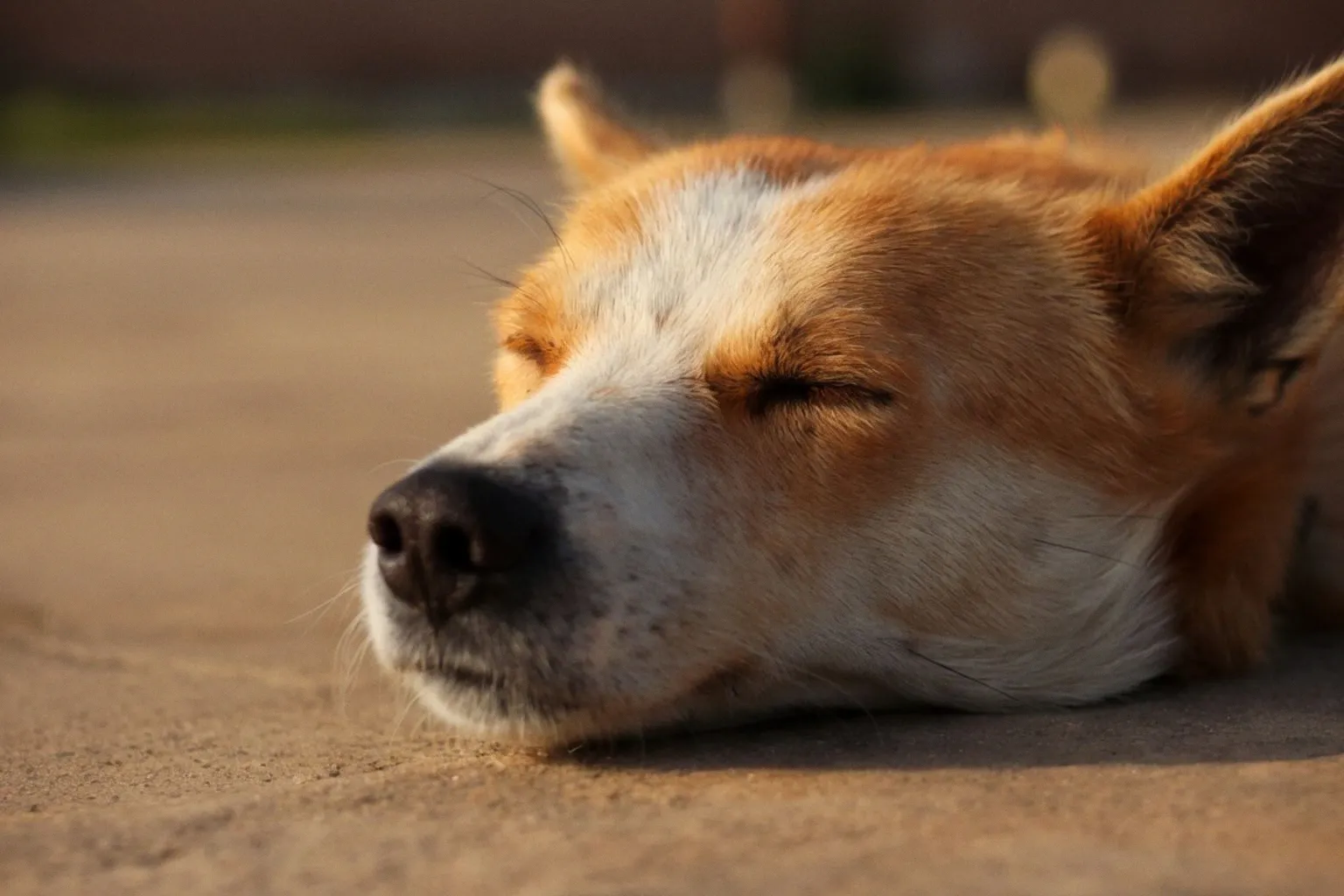
The highest-risk areas are the nose, ear tips, and belly, where skin coverage is thinner or fur is sparse. For dog walkers and pet sitters, these areas should be part of the pre-walk safety check, particularly during peak sun hours.
Start with the exposed skin
Use a simple inspection sequence before outdoor exercise:
- Nose: The skin is thin and has minimal fur coverage. Dogs with lighter-colored noses require additional caution.
- Ear tips: Sparse fur and exposed skin increase risk, especially in dogs with naturally upright ears.
- Belly: A dog lying on its back exposes the abdomen directly. The skin is typically thinner, less pigmented, and less protected by fur than the back or sides.
Do not limit the check to these locations. Dogs with light or white fur, or generally thin coats, have less natural UV protection across the body. A gait analysis may identify whether a dog is moving comfortably, but it will not identify an early skin problem. The exposure check is a separate control point.
For sitters, record the dog’s coat pattern and exposed areas before the first outdoor session. This improves handover accuracy between the owner, walker, and backup carer.
Adjust the walking protocol
The primary control is exposure management. Limit direct sun during peak sun hours where possible. For a professional walk, that means reviewing the route, the duration, and whether the dog is likely to remain outdoors after exercise rather than treating sunscreen as the only protection.
Pet-safe sunscreen may be applied to exposed areas such as the nose, ear tips, and belly. Human sunscreen should be avoided because some ingredients are not safe for dogs if licked. Product selection should therefore be confirmed with the owner before use, with the application limited to areas approved for the individual dog.
A single morning application is not sufficient for a dog spending the full day outdoors. Sunscreen wears off with activity and water exposure. Reapplication must be built into the care plan if the dog remains outside, subject to the product instructions and the owner’s directions.
This is a load-distribution issue in practical terms: do not place the entire safety burden on one measure. Combine shade or reduced direct exposure with targeted protection and observation.
Safety parameters for walkers and sitters
Before accepting or starting an outdoor session, verify:
- The dog’s nose color and coat density.
- Whether the ear tips are exposed.
- Whether the dog habitually sunbathes on its back.
- Whether pet-safe sunscreen is authorized and available.
- Which areas may be treated.
- Whether the session includes water or high activity that can remove sunscreen.
- When the dog will return indoors or to shade.
- What signs or changes require contacting the owner.
If the dog becomes unwell, contact a veterinarian. The source material is general information, not veterinary advice. For professional care teams, the correct response is controlled exposure, documented instructions, and a repeatable skin check rather than assuming fur is sufficient protection.