Northern vs Southern pet transport routes: which is safer?
Choosing between northern and southern pet transport routes is rarely a simple matter of geography. A northern corridor may offer cooler summer conditions but introduce mountain passes, elevation changes, snow, ice, and road salt.
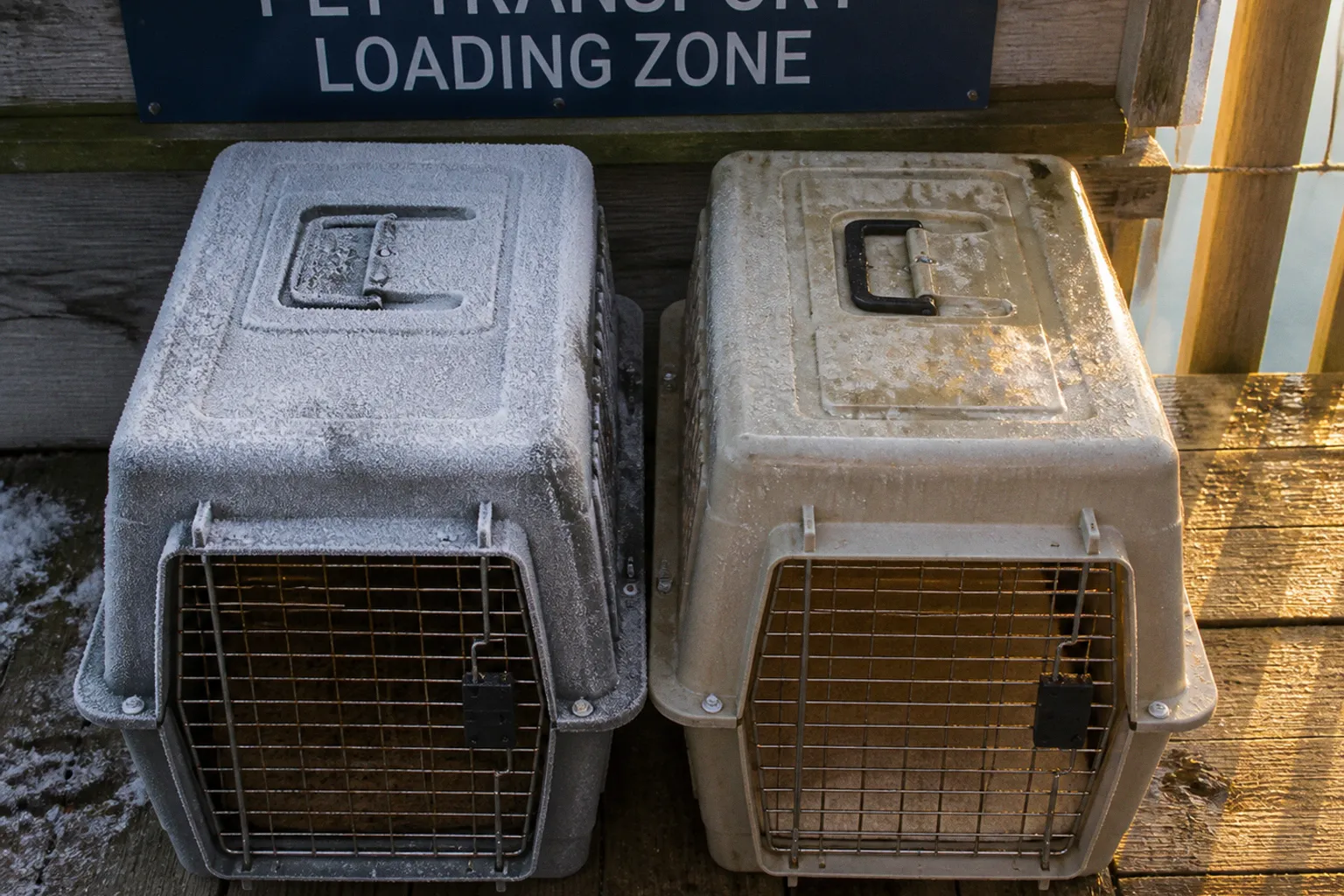
A southern route may provide flatter roads and fewer steep climbs while exposing a dog or cat to dangerous heat, particularly across desert sections in summer.
Compare car rental deals in United Kingdom
See available offersPartner link — DiscoverCars comparisonThe safer route is therefore not a permanent label attached to I-70, I-80, I-10, or I-40. It is the route whose weather, terrain, vehicle plan, stop schedule, and animal-care procedures match the specific transition phase your pet is about to enter. For a long-distance relocation, route selection should be treated as part of the pet’s safety protocol, not as a final driving preference.
The geography of risk: mountain passes versus desert heat
The central comparison in northern vs southern pet transport routes comes down to two different categories of exposure.
Northern routes, including corridors that use sections of I-70 or I-80, generally offer a better temperature profile during the hottest part of summer. However, they can involve steep grades, mountain passes, rapid elevation changes, winter storms, black ice, road salt, and sudden road closures. Those conditions affect more than the driver’s travel time. They can change how frequently the vehicle stops, how long a pet remains secured inside the vehicle, and whether the planned arrival window remains realistic.
Southern routes, including I-10, I-20, and I-40, tend to include longer straightaways and flatter terrain. That can be helpful for pets prone to motion sickness, particularly when winding roads and repeated elevation changes trigger nausea or restlessness. The tradeoff is severe heat exposure. Desert temperatures can rise quickly, and the risk is not limited to the driving portion of the trip: loading, unloading, refueling, and roadside breaks may all become safety-critical events.
A route that is comfortable for the vehicle can still be unsuitable for the animal. For example, a straight southern highway may reduce motion-related discomfort but create a narrow window for safe outdoor breaks. Conversely, a cooler northern route may protect against heat while increasing stress for a dog that has never experienced mountain driving or a winter transport environment.
The safer route is the one that keeps the pet’s total exposure manageable—from driveway departure to final handoff—not the one that looks shortest on a map.
How season changes the decision
Seasonal planning should happen before a carrier quotes a price or promises an arrival date. A route that works well in October may be inappropriate in July, and the same corridor may require a different stop schedule in January.
| Planning factor | Northern route | Southern route |
|---|---|---|
| Summer temperature | Often more manageable, especially at higher elevations, but conditions can vary sharply | Main concern is excessive heat, particularly in desert regions and during midday stops |
| Winter conditions | Snow, ice, mountain passes, road salt, and closures can disrupt the itinerary | Usually less snow-related disruption, though storms, cold snaps, and high winds still affect travel |
| Terrain | Steep grades, winding sections, and elevation changes may increase anxiety or motion sickness | Flatter roads and longer straightaways may provide a smoother ride |
| Outdoor breaks | Cold exposure can make extended stops difficult; paws may be affected by ice or salt | Heat can make even short walks unsafe; shade and timing become essential |
| Schedule reliability | Weather can create major delays around passes and high-elevation roads | Heat management may require early-morning or nighttime travel, changing the daily schedule |
| Best planning advantage | Potentially better for summer travel when mountain weather is stable | Potentially easier for pets sensitive to winding roads when temperatures are moderate |
This table is a planning tool, not a universal ranking. The northern route is not automatically safer in summer, and the southern route is not automatically safer in winter. The relevant question is whether the route’s dominant hazards can be controlled during the dates of travel.
USDA compliance and the 45°F–85°F temperature window
Temperature management is one of the clearest points where route planning becomes regulatory compliance. Under Animal Welfare Act requirements, dogs and cats in transit must not be exposed to ambient temperatures below 45°F (7.2°C) or above 85°F (29.5°C) for more than four consecutive hours.
There is also a shorter limit during movement to or from a primary vehicle or terminal facility. Exposure outside that 45°F–85°F range must not exceed 45 minutes unless the animal is accompanied by a veterinary certificate of acclimation.
These limits should not be interpreted as permission to keep a pet in a vehicle for four hours at 85°F. They establish regulatory boundaries, not a comfortable target. Interior temperatures can change quickly when a vehicle is parked, when a climate-control system fails, or when doors are opened repeatedly during loading. A professional transporter should be planning for a margin of safety rather than aiming to operate at the edge of the permitted range.
What temperature compliance looks like in practice
For a ground pet transport provider, a credible temperature plan should answer several practical questions:
- How will the vehicle be climate-controlled during active travel and stops?
- Is there a backup plan if the vehicle’s air conditioning or heating system fails?
- During loading and unloading, how will the pet be protected from prolonged exposure?
- What happens if weather creates a delay at a mountain pass, weigh station, fuel stop, or inspection point?
- Will the driver change departure or stop times to avoid the hottest or coldest part of the day?
- How are temperature conditions recorded or monitored during the trip?
The answers should be specific. “The vehicle is climate controlled” is only a starting point. A useful plan identifies where the pet will remain during fueling, whether rest stops are scheduled during cooler hours, and what the transporter does when actual conditions no longer match the original itinerary.
Northern routes often create a cold-weather compliance challenge. A vehicle may be warm while driving, but the pet can still be exposed to freezing air during a loading delay or an outdoor transfer. Mountain weather can change quickly, and road salt or ice may make a normal potty break uncomfortable or unsafe.
Southern routes create the opposite problem. A short stop can become hazardous when the pet must cross hot pavement, wait near an idling vehicle, or remain inside while the driver handles an errand. A vehicle must never be treated as safe simply because the air conditioning is running. Mechanical failure, blocked airflow, or an unexpected delay can turn a controlled environment into an emergency.
Seasonal departure windows
Professional transporters often adjust departure times around the most demanding part of the day. On southern routes during hot months, early-morning and nighttime travel can reduce heat exposure, although nighttime driving introduces its own visibility and fatigue considerations. On northern routes during winter, daylight travel may provide better visibility around icy or mountainous sections, but the best departure time still depends on current road conditions.
A responsible coordinator should be willing to revise the schedule when the forecast changes. A fixed promise that ignores a heat advisory or mountain storm is not a sign of efficiency. It is a sign that the itinerary has been treated as more important than the animal.
Managing motion sickness and anxiety on flat versus winding terrain
Terrain affects pets differently, and the most comfortable route depends partly on the animal’s baseline comfort in a moving vehicle.
A dog that becomes nauseated on winding roads may tolerate a southern corridor with longer straightaways more easily. Repeated curves, elevation changes, and braking can intensify motion sickness, especially when the dog is already anxious. The same conditions may also make it harder for the animal to settle between stops.
On the other hand, flat terrain does not eliminate travel stress. A long, monotonous segment can still be difficult for a dog that reacts to engine noise, unfamiliar handling, confinement, or separation from its owner. Southern routes may also require longer periods between suitable outdoor breaks when heat makes daytime walking unsafe.
Northern routes can be particularly demanding for pets unfamiliar with mountain roads. Changes in elevation may affect comfort, while curves and steep descents can increase nausea or agitation. Winter conditions add sensory stress: snowplows, tire chains, road spray, and salt-covered surfaces can make the travel environment unfamiliar and unpredictable.
Build a pet-specific travel profile
Before selecting a route, the transporter or owner should document the animal’s travel baseline. That profile can include:
- Previous tolerance for car travel, including the longest comfortable ride.
- Signs of motion sickness such as drooling, lip licking, vomiting, whining, or repeated repositioning.
- Reactions to winding roads, braking, engine noise, and unfamiliar handlers.
- Ability to settle in a secured crate or travel carrier.
- Typical water intake, feeding schedule, and bathroom routine.
- Medical conditions that may be affected by heat, cold, stress, or prolonged confinement.
- Whether the pet has used prescribed anti-nausea or anti-anxiety medication under veterinary direction.
Medication should never be improvised for a transport day. If a veterinarian recommends medication, the pet should have an established dosing plan and, ideally, prior experience with the medication before departure. Sedation can affect balance, temperature regulation, and responsiveness, so it is not a casual solution to a difficult route.
A familiar crate, blanket, feeding pattern, and scent item can serve as familiarity anchors during the transition phase. These details will not remove every stressor, but they can reduce the number of new variables the pet must process at once.
Route choice by travel profile
For a dog with pronounced motion sickness, a southern route may be preferable when temperatures are moderate and the carrier can schedule safe breaks at appropriate times. For a dog with heat sensitivity, a northern route may be the better option during summer, provided the mountain forecast is stable and the animal is not traveling through severe elevation or winter conditions.
For a puppy, senior dog, brachycephalic breed, or animal with respiratory or cardiac concerns, the route decision should be made with veterinary input. Puppies may need stops every one to two hours, rather than the three- to four-hour interval often used for healthy adult pets. A route that works for an adult dog with a predictable routine may not provide enough flexibility for a young puppy.
Strategic stop planning: the infrastructure matters
A route is more than its highway number. It is also the network of fuel stations, veterinary clinics, rest areas, secure walking zones, overnight facilities, and alternate roads available along the way.
For long-distance ground pet transport, standard guidance recommends stopping every three to four hours so pets can stretch, hydrate, and relieve themselves. Puppies and highly anxious pets may need breaks every one to two hours. Those stops should be planned around the animal’s needs, not added only when the driver happens to need fuel.
A good stop plan distinguishes between a necessary vehicle stop and a suitable pet break. A busy fuel station may be convenient for the driver but poor for a nervous dog because of traffic noise, unfamiliar animals, hot pavement, and open doors. A dedicated dog area or quieter rest location may require a short detour but provide a much safer environment.
Major travel stops have expanded their pet-friendly infrastructure, and some Love’s Travel Stops locations now offer access to one of approximately 400 dedicated dog parks across the United States. Facilities like these can make a significant difference on a long route, but they still need to be checked in advance. Not every location has the same layout, shade, surface, or level of separation from vehicle traffic.
A practical stop schedule
A transport plan should map each day around four categories of stops:
1. Routine relief stops
These are scheduled before the pet becomes desperate or visibly distressed. They should include water, a quiet leash-controlled area, and enough time for the animal to settle before re-entering the vehicle.
2. Climate-management stops
In hot weather, the driver may need to select shaded or indoor-adjacent locations and avoid exposing the pet during peak temperatures. In cold weather, the stop should be short enough to prevent chilling while still allowing the pet to relieve itself safely.
3. Contingency stops
The itinerary should include backup locations in case a rest area is crowded, closed, unsafe, or affected by weather. This is especially important on mountain routes where a single closure can alter the timing of the entire day.
4. Overnight recovery stops
An overnight facility should accept the species and size of the pet, provide a secure handoff process, and allow the animal to rest without unnecessary transfers. Repeated changes in handlers or lodging environments can increase stress even when each individual location appears acceptable.
On southern routes, the timing of a break may matter more than the distance to the next stop. A dog may need a longer driving segment to reach a safe walking area during a hot afternoon, followed by a more generous break after sunset. On northern routes, the priority may be finding a plowed, salted-safely, and reasonably sheltered location where the dog can walk without prolonged contact with ice or cold ground.
Hydration, feeding, and bathroom routines
Long-distance transport is not the time to introduce a new diet. Familiar food reduces the chance of gastrointestinal upset, which can otherwise be confused with motion sickness or stress. Feeding should follow the pet’s established routine as closely as the route allows, while avoiding a large meal immediately before a winding or mountainous segment if the animal is prone to nausea.
Water should be offered regularly, with the schedule adapted to the pet, climate, and veterinary guidance. A transporter should know whether the animal drinks readily from a travel bowl, needs water mixed into food, or becomes reluctant to drink in unfamiliar surroundings.
Leashes, harnesses, and carriers should be checked at every stop. A nervous pet may behave differently during a transfer than it does at home, and a collar that is normally secure may not be sufficient for a frightened animal. Double-leash protocols or a harness-and-collar combination may be appropriate for dogs with a history of bolting, but the equipment should be familiar and properly fitted before departure.
The best stop is not necessarily the closest stop; it is the one that gives the pet a controlled break without adding a new escape or temperature risk.
Choosing a professional transporter beyond USDA Class T registration
Commercial ground pet transporters operating across state lines in the United States are legally required to hold USDA Class T registration under the Animal Welfare Act. That registration is an essential compliance point, but it is not a quality rating and does not guarantee attentive care.
The distinction matters because regulatory registration addresses legal operating requirements, while safe transport also depends on daily procedures, communication, vehicle condition, staffing, and judgment under changing conditions.
When comparing providers, ask for a route-specific operating plan rather than a general description of their service. A transporter should be able to explain:
- Which corridor they expect to use and what seasonal conditions they are monitoring.
- How often the pet will leave the vehicle and where those breaks will occur.
- Whether the pet travels alone, with other animals, or through multiple handoffs.
- How the vehicle is ventilated and climate-controlled.
- What backup arrangements exist for mechanical failure or road closure.
- How owners receive updates, including departure, stop, delay, and arrival communication.
- Whether the driver has experience with puppies, seniors, brachycephalic breeds, anxious dogs, or medication schedules.
- How the transporter handles veterinary emergencies and which clinics are available along the route.
A professional who immediately presents one route as “always safest” is simplifying a decision that should remain conditional. A competent provider will ask about the travel date, pet’s age and health, motion tolerance, crate behavior, destination timing, and weather exposure before recommending a corridor.
Questions that reveal the quality of the plan
The strongest screening questions are operational:
What happens if the forecast changes after departure?
The answer should include a process for delaying, rerouting, shortening a driving day, or changing stop times. “We monitor the weather” is not enough without a decision threshold.
How do you prevent heat exposure during loading and unloading?
Look for details about shaded staging, climate-controlled holding areas, reduced transfer time, and travel during cooler periods.
How are mountain routes managed in winter?
The transporter should discuss pass conditions, tire readiness, alternate roads, road-salt exposure, and what happens if the route becomes impassable.
How many hours is the pet expected to remain in the vehicle?
A provider who gives only a total trip duration may be leaving out the daily driving pattern. Ask about maximum continuous travel time and the planned break interval.
Who has physical responsibility for the pet at every handoff?
A clear chain of custody reduces the chance of confusion about feeding, medication, crate security, or emergency contacts.
The documents and supplies that should travel with the pet
The exact requirements vary by destination and state, but a cross-country relocation commonly requires organized health and identification records. Keep copies accessible rather than sealed inside luggage that is not traveling with the animal.
The transport packet may include:
- Current vaccination and veterinary records.
- Identification details, microchip information, and recent photographs.
- Medication instructions and the prescribing veterinarian’s contact information.
- Emergency contact details for the owner and a designated decision-maker.
- Feeding, bathroom, and behavioral notes.
- Destination address, access instructions, and receiving contact.
- A familiar food supply and approved treats.
- Leash, harness, waste bags, water container, and cleaning supplies.
- A properly sized travel crate or carrier with secure fastening.
For interstate relocation, ask the veterinarian and transporter whether a health certificate or additional state-specific documentation applies. Pet passport requirements are more commonly associated with international movement, but domestic transport can still involve destination-specific rules. The transporter should not be expected to guess; regulatory requirements should be confirmed before the departure window.
Building a route decision by season and pet profile
A useful way to compare cross-country pet relocation routes is to start with the dominant risk, then test whether the trip plan can control it.
Northern route may be the better fit when:
- The trip takes place during hot weather and the southern corridor would involve prolonged desert exposure.
- The dog is sensitive to heat or belongs to a breed with increased respiratory risk.
- The transporter has a reliable plan for mountain conditions and no severe snow or ice is expected.
- The pet tolerates elevation changes and winding roads reasonably well.
- The itinerary can avoid unnecessary cold-weather loading and outdoor waiting.
Southern route may be the better fit when:
- Temperatures are moderate and the forecast does not indicate dangerous heat.
- The pet experiences significant nausea on winding or mountainous roads.
- The transporter can schedule travel and outdoor breaks around cooler hours.
- The route provides dependable access to shaded, secure pet areas.
- Winter conditions make northern passes unpredictable or hazardous.
Neither route should be accepted without revision when:
- The weather forecast includes extreme heat, severe cold, or a major mountain storm.
- The provider cannot explain climate-control procedures or backup plans.
- The pet has an unmanaged medical condition affecting breathing, temperature regulation, or mobility.
- The itinerary depends on leaving the pet unattended in a vehicle.
- The plan includes long stretches without suitable relief stops.
- Multiple handoffs are involved but responsibility for records and medications is unclear.
This approach avoids a common planning error: selecting a route first and trying to force the pet’s needs into it afterward. The route should be chosen after the travel profile, season, regulatory requirements, and stop infrastructure are mapped together.
A field-tested preparation timeline
A well-managed transition phase usually begins several weeks before departure, even when the actual drive lasts only a few days.
Several weeks before transport
Confirm the pet’s veterinary status, discuss motion sickness or anxiety concerns, and verify the destination’s documentation requirements. If the animal needs a new crate, introduce it gradually rather than presenting it for the first time on departure morning.
Collect the transporter’s registration information, insurance details if provided, emergency procedures, and estimated route. Ask whether the driver expects to use a northern or southern corridor and under what conditions that plan could change.
One to two weeks before departure
Practice short drives in the travel crate or harness setup. Observe whether the pet drools, vomits, pants excessively, vocalizes, or struggles to settle. This is the point to discuss findings with the veterinarian, not after the vehicle is already leaving.
Prepare a written care sheet that covers food, water, medication, bathroom habits, triggers, and calming routines. Keep the language precise. “Gets nervous” is less useful than “paces for the first 20 minutes, then settles if the crate is covered on three sides.”
Forty-eight hours before departure
Reconfirm the forecast along the full route rather than checking only the origin and destination. Review mountain pass conditions, heat advisories, road closures, and overnight temperatures. Confirm the first planned stop, backup stops, and the contact process for delays.
Pack familiar items, but avoid filling the crate with loose objects that could shift during braking. Label food and medication clearly, and make sure the transporter has current owner and receiving-contact numbers.
On departure day
Keep the morning predictable. Follow the pet’s normal feeding and bathroom routine unless the veterinarian has provided a different plan. Allow extra time for loading so the pet is not rushed, and confirm that the crate or carrier is secured before the vehicle moves.
The owner should receive a departure update that records the pet’s condition, food and water status, medication timing if applicable, and the expected first break. Those details establish a baseline against which later changes can be assessed.
The final decision: route, date, and transporter must work together
Northern vs southern pet transport routes is not a contest with one permanent winner. The northern corridor may reduce heat exposure while increasing the risk of elevation changes and winter disruption. The southern corridor may offer smoother terrain while creating a more demanding climate-control and break-management problem during hot weather.
The right choice is the route that gives the transporter enough operational control to protect the pet throughout the full movement: loading, driving, rest stops, overnight care, and final handoff. That means matching the season to the terrain, the pet’s travel profile to the road environment, and the provider’s procedures to the applicable temperature and interstate transport requirements.
A carefully selected route will not make every pet completely relaxed, and it should not promise to. The realistic goal is baseline comfort, predictable handling, controlled exposure, and a schedule that can adapt when conditions change. With those elements in place, a long ground relocation becomes a managed logistics process rather than an improvised drive—and the pet arrives with the best possible foundation for settling into the next home.