New USDA Inspection Rules for Exporting Dogs to Mexico
USDA's Animal and Plant Health Inspection Service has refreshed its guidelines for exporting pets from the United States to other countries, with the most visible change landing on dogs crossing into Mexico.
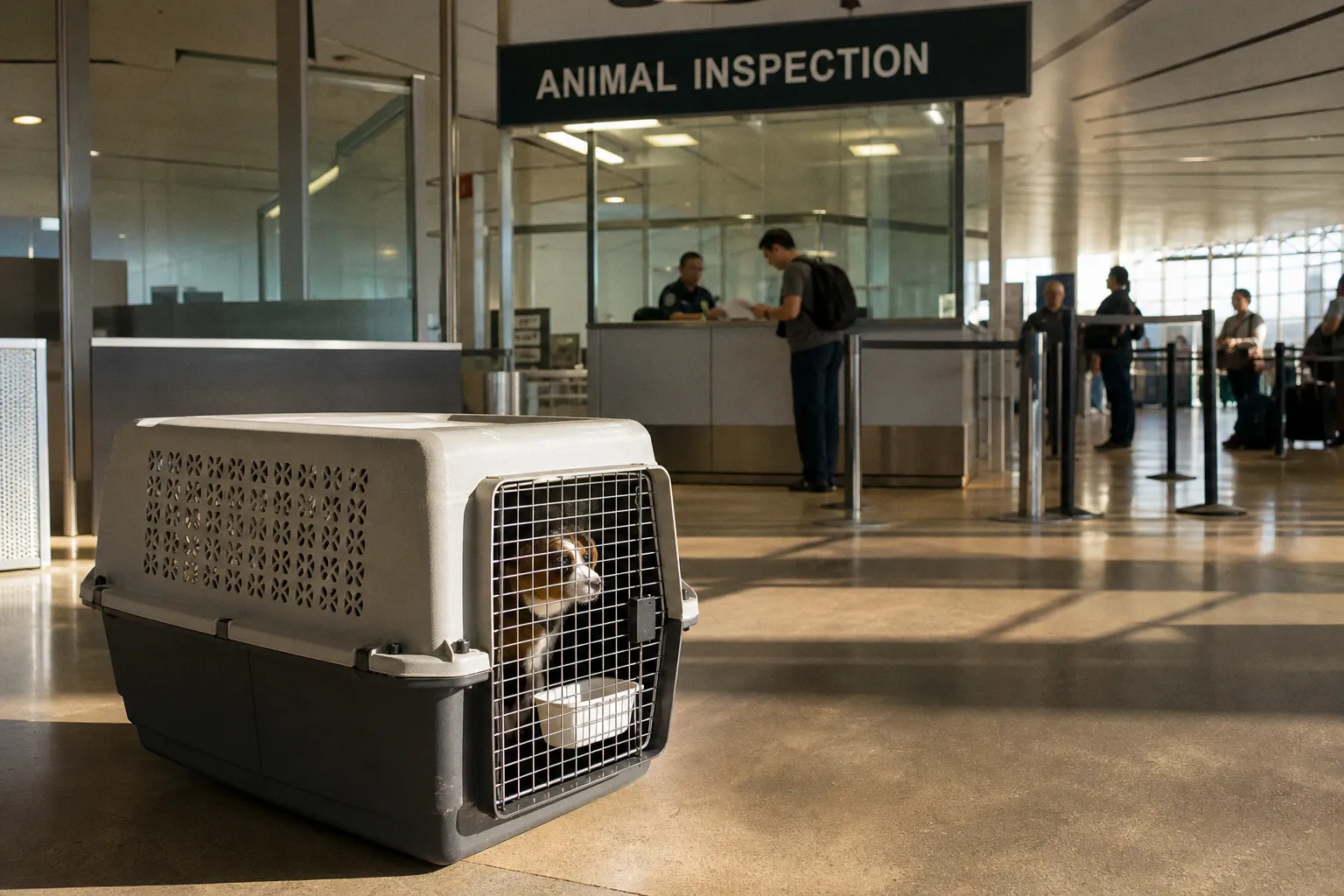
According to the agency, the update introduces new inspection requirements aimed at keeping New World screwworm from hitching a ride north through returning travelers and relocating dogs. For coordinators, sitters, and anyone managing a dog's international transition, this is one of those quiet policy shifts that can quietly derail a perfectly planned handoff if it's caught too late.
What actually changed for Mexico-bound dogs
The core of the update targets the export inspection itself — the checkpoint your dog passes through before being cleared to leave U.S. soil headed for Mexico. APHIS frames the change around preventing New World screwworm, a parasitic fly whose larvae infest living tissue and pose a serious threat to livestock, pets, and wildlife. The practical effect is that the baseline inspection routine for dogs on this route is no longer the same checklist it was before, and travelers should expect the process to feel slightly more thorough.
Because the full procedural detail sits on the agency side and the public-facing summary highlights the policy direction rather than every form revision, the safest move is to treat this as a "verify before you book" moment rather than assume yesterday's paperwork still applies.
Why this matters for relocation and boarding logistics
If you sit in the coordinator seat — matching a dog with a sitter across the border, planning a family relocation, or staging a pet for an extended stay — inspection requirements are the kind of detail that doesn't show up on the marketing flyer but absolutely shows up at the airport cargo hold. A missed step doesn't just mean paperwork delays; it can mean a dog held in transit, a missed connection with a sitter who has already blocked their calendar, or worse, a pet returned to origin for retreatment.
The screwworm angle also reframes this as more than a personal logistics question. Coordinators who build familiarity anchors for nervous dogs — familiar bedding, a known handler at the receiving end — will want to protect that setup by making sure the export inspection doesn't introduce an unexpected overnight stay in a kennel neither you nor the dog has vetted.
How to navigate the transition phase
A few field-tested habits that hold up well when policy is shifting:
- Pull the current APHIS export page directly rather than relying on cached guides, breeder handouts, or a sitter's last move.
- Confirm with the receiving end in Mexico that their side of the handoff — the sitter, the vet, the transport driver — is also expecting the new inspection flow.
- Build a buffer day into the timeline so that a longer-than-expected inspection doesn't cascade into a missed sitter booking.
- Keep the dog's health records and any prior inspection certificates in one folder you can hand over at a moment's notice; this is where regulatory compliance meets baseline comfort.
Policy updates like this tend to land quietly and then surface as surprises at the worst possible moment — usually 48 hours before departure, when options are thin. Treating the screwworm-driven inspection change as a checkpoint to walk through now, while your timeline still has slack, is the difference between a smooth transition and a logistical scramble.