Navigating New Pet Treat Trends: A Guide for Professional Walkers and Sitters
pet retail trade show SUPERZOO 2026 generated a wave of pet food and treat announcements covered by Pet Food Processing, with consumer coverage from AOL framing the show floor as a mix of pet…
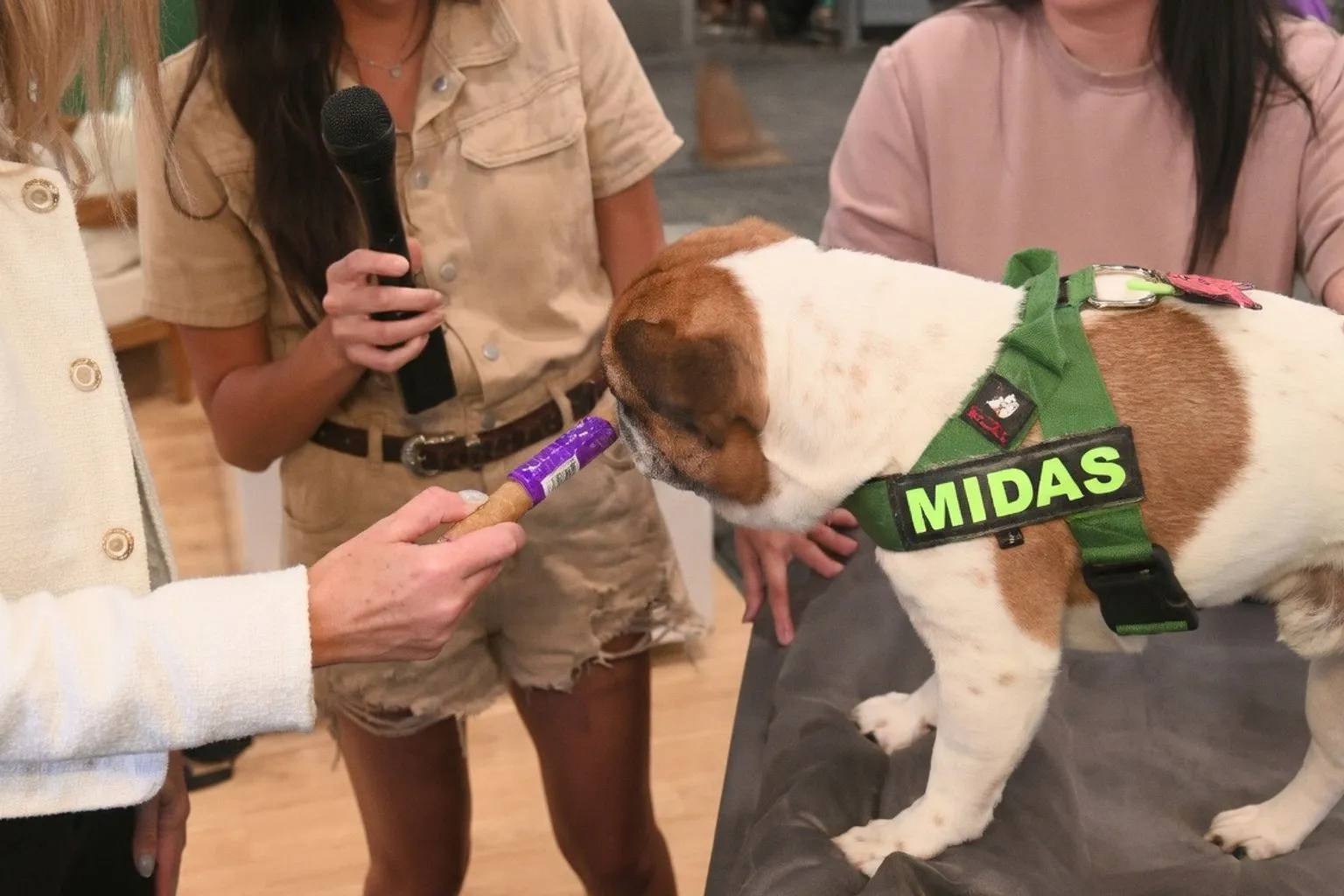
The U.S. pet retail trade show SUPERZOO 2026 generated a wave of pet food and treat announcements covered by Pet Food Processing, with consumer coverage from AOL framing the show floor as a mix of pet nutrition and tech aimed at supporting animal health, happiness, and lifestyle. For professional dog walkers and pet sitters, the value of this coverage is not in memorizing product names — it is in anticipating what clients will hand them next. New bags, new bars, and new claims will appear in the treat pouch within weeks, and the handler on the ground is the last line of dosing control before that product hits the dog.
Caloric load during working hours
Treats handed out during a walk or visit are part of the dog's daily energy budget, not a free variable. Any new product must be assessed on three parameters before it enters a working rotation:
- kcal per piece. A "small" treat is not a standardized unit of energy. Read the guaranteed analysis; weigh pieces if the label is vague.
- Fat density. High-fat treats raise thermal load on summer routes and slow gastric emptying on longer walks.
- Fiber and moisture content. Both affect stool volume and timing, which directly controls route length and waste management planning.
A change in treat brand mid-engagement is a change in the dog's daily intake. Sitters managing multiple dogs per household must track which animal received which product to prevent cross-dosing and over-reward.
Functional claims — verify before the treat enters the pouch
Trade show marketing cycles outpace published evidence by months. When a client introduces a treat promoted for joint support, skin and coat, dental maintenance, or calm behavior, request the active ingredient list and the dosage per piece. Cross-check against the dog's current supplementation and main diet. Doubling a glucosamine, omega-3, or probiotic source is a real dosing risk, not a theoretical one.
For working dogs — high-drive breeds on structured routes, reactive dogs on decompression walks, seniors on shorter mileage — treat selection is part of the kinetic chain. A reward that delivers inconsistent caloric density disrupts appetite cycles and weight maintenance, and both feed back into gait quality, endurance, and thermal regulation.
Operational checklist for the next 30 days
- Confirm current treat brand and exact formula with the client at every booking change.
- Log kcal per treat and daily treat count per dog on the route sheet.
- Flag any product introduced within 14 days of a SUPERZOO announcement for a stool, energy, and coat review at day 7 and day 14.
- Do not substitute a trending treat for the dog's standard reward without verifying ingredient overlap with current food and supplements.
- Carry a measured portion of the client's baseline treat as a fallback for high-drive or anxious dogs where new flavors shift motivation.
- Escalate any GI change, itch flare, or appetite shift to the client within 24 hours and recommend a vet consult before continuing use.
SUPERZOO coverage will drive client questions for the next quarter. The handler's job is to keep the treat pouch under protocol, not under trend.