Identifying and Managing Acute Moist Dermatitis in Dogs During Daily Care
Forbes has published a guide titled "Hot Spots In Dogs: Causes, Diagnosis And Treatment," addressing one of the more common acute dermatological events encountered by handlers, walkers, and boarding…
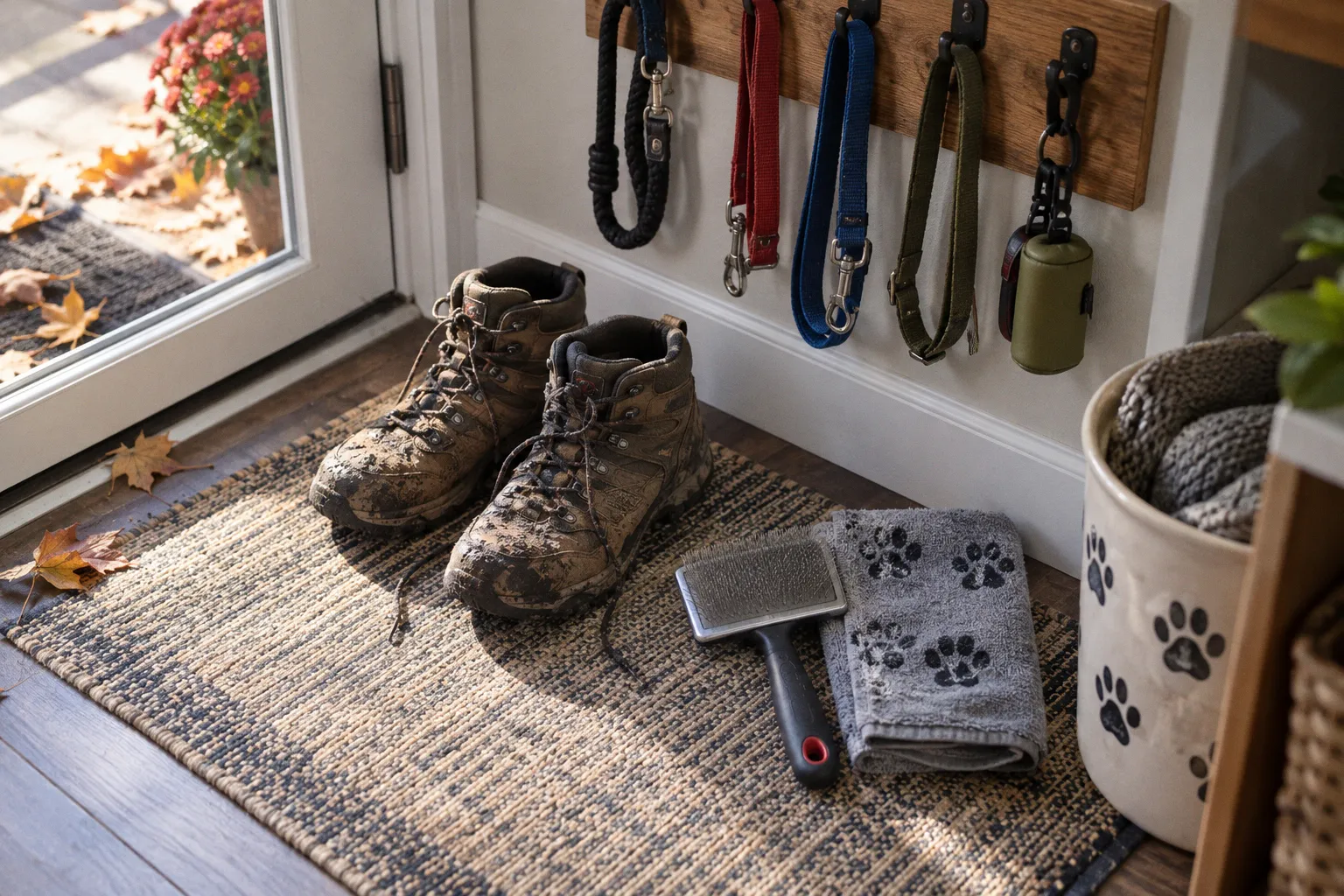
Acute moist dermatitis appears within hours. A small patch of inflamed skin escalates into a painful lesion that changes how a dog stands, walks, and rests. Forbes has published a guide titled "Hot Spots In Dogs: Causes, Diagnosis And Treatment," addressing one of the more common acute dermatological events encountered by handlers, walkers, and boarding staff monitoring dogs daily. The piece ties clinical cause to observable behavior — a translation useful to professionals tracking gait, posture, and skin condition on each session.
Why the topic matters on a leash
The skin is a thermal regulation organ. Any acute lesion on its surface compromises local thermoregulation and triggers a behavioral cascade: scratching, licking, guarding. Postural guarding redistributes load across the kinetic chain. A handler monitoring the gait cycle will detect compensatory movement — shortened stride on the affected side, head carriage shift, sit refusal, reluctance to roll — before the visible lesion expands enough for an owner to notice. Speed of recognition determines duration of treatment.
Operational parameters for daily handlers
Handlers do not diagnose. Handlers document.
- Note location, approximate size, and progression of any skin disruption observed during routine handling.
- Record gait deviations: stride length asymmetry, weight-shifting stance, reluctance to sit or lie on one side, head tilt away from affected area.
- Flag environmental triggers present in the prior 24 hours: humidity, recent swimming, rain exposure, dense undercoat retention, recent groom or clip.
- Report findings with timestamp. Photographic record permitted only per facility policy.
- Isolate the dog from self-trauma. Elizabethan collar or recovery suit applied only after clinician authorization.
- Restrict activity to leash walks on flat terrain until veterinary clearance.
- Maintain separate towel, brush, and bedding for any dog with an active lesion to limit cross-contamination.
Troubleshooting tree: what to do on first observation
1. Dog is scratching or licking a localized area during a session. Stop activity. Examine the area.
2. Visible wet, matted, or inflamed patch is present. Separate dog from group. Photograph if permitted. Log timestamp.
3. Dog shows gait compensation — head bob, shortened stride, sit refusal. Switch to leash only. Notify owner and clinician per facility protocol.
4. No visible lesion but dog persists in scratching or licking. Continue monitoring. Document behavior. Note duration.
Field checklist before handoff
- Timestamp of first observation recorded.
- Location, size, and progression logged.
- Gait deviations recorded, including duration.
- Environmental triggers listed.
- Owner and clinician notified.
- Activity restricted to leash walks on flat terrain.
- Separate equipment assigned to the dog.
Tracking item
Forbes has released a guide addressing causes, diagnosis, and treatment of hot spots. The guide functions as a reference point. Handlers should cross-reference the Forbes title with their organization's escalation path and the attending clinician's standing orders. Definitive clinical authority rests with the examining veterinarian.