From Legal Practice to Pack Management: The Reality of Professional Dog Walking
A former criminal defence paralegal has transitioned to full-time professional dog walking and boarding, according to a report from Hindustan Times.
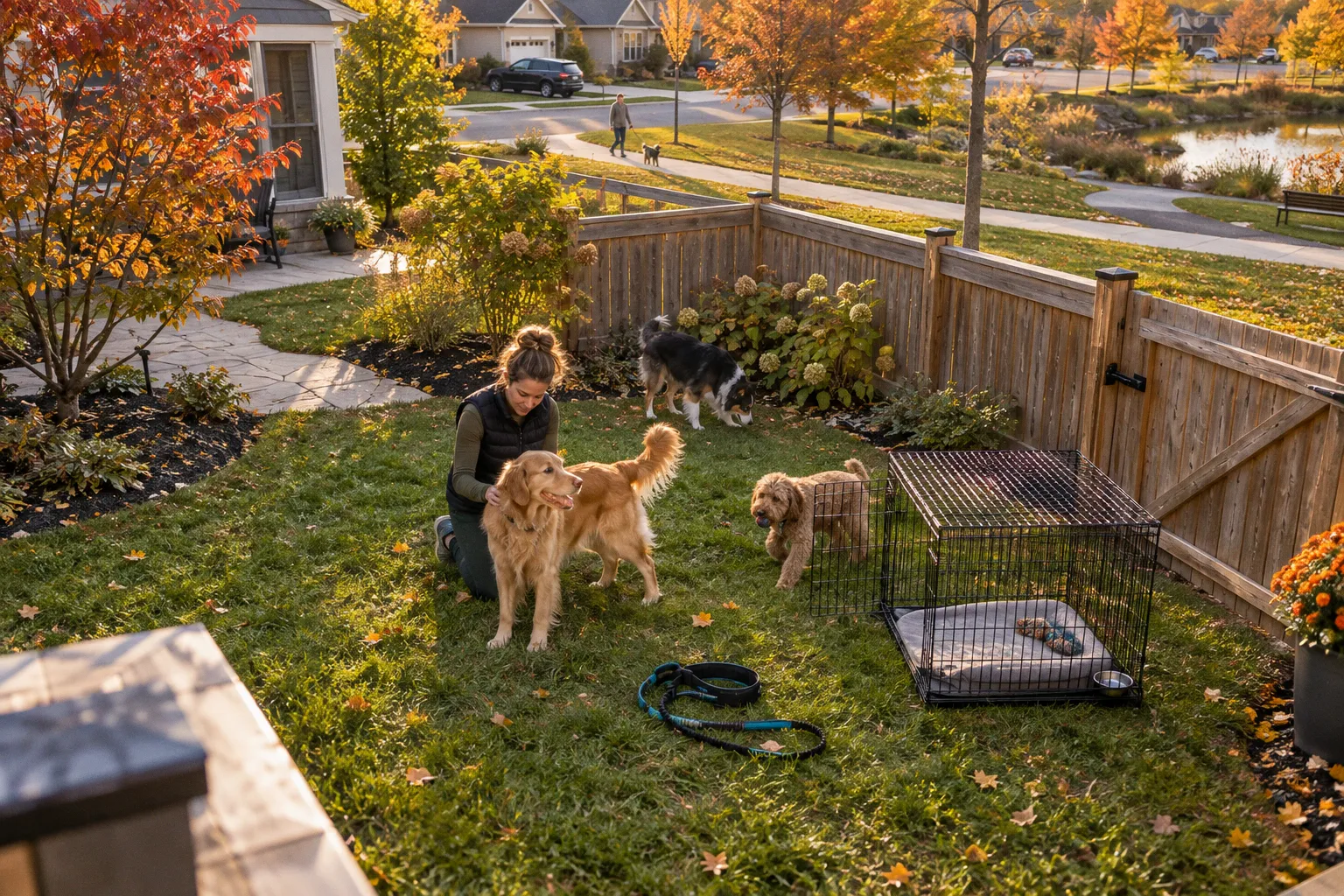
Liz East now leads multiple group pack walks daily, a structural shift that reflects rising commercial demand for organized pet care services. The move carries direct implications for any dog owner vetting walkers on operational protocols rather than marketing claims.
Group Walk Mechanics
Pack walks introduce specific load distribution and gait analysis challenges. Each additional dog alters walking pace, route selection, and handler control. A professional managing multiple dogs simultaneously must maintain consistent leash management, monitor thermal regulation across breeds, and prevent reactive behavior between unfamiliar animals. Transitioning from solo to pack-based work represents a measurable escalation in handler skill requirements.
Reported earnings of up to $530 a day, cited by connectedtoindia.com and The Economic Times, indicate premium pricing tied to group capacity rather than single-dog outings. That pricing structure assumes the handler maintains control across kinetic chain disruptions — sudden pulls, cross-leash tangling, reactive encounters — without compromising individual dog welfare.
Behavioral and Physiological Outcomes
Per Nebraska Humane Society guidance reported by WOWT, daily walks reduce excess barking, chewing, digging, escape attempts, and jumping. Under-stimulated dogs redirect stored energy into destructive patterns. Structured walking satisfies a core drive sequence observed in canines and their wolf ancestors: wandering, hunting, eating, in that order. For handlers, this means timing meals post-walk to align with natural drive cycles.
Pre-walk excitement mirrors pack-level adrenaline spikes observed before coordinated movement in wolves. Recognizing this physiological marker allows handlers to modulate arousal before leaving the property, reducing leash reactivity on route. Mental engagement from scent-mapping the territory carries equal weight to physical exertion in maintaining behavioral stability.
Vetting Parameters
When evaluating a full-time professional walker, assess the following:
- Pack size per handler and documented maximum dog-to-walker ratio
- Route documentation and minimum time-per-dog benchmarks
- Thermal regulation protocols across temperature ranges
- Conflict protocols between unfamiliar dogs
- Separation of boarding and walking services
- Insurance coverage for multi-dog incidents
- Feeding schedule integration with walk timing
The shift from legal practice to pack leadership signals market maturation. Selection criteria should track operational competence, not headline earnings.