5 Common Dog Walking Errors That Could Be Hurting Your Pet
Dr. Deepak Saraswat, head veterinarian at Zigly Pet Care, the clinical problem with routine dog walks is not the walk itself but how it is dosed.
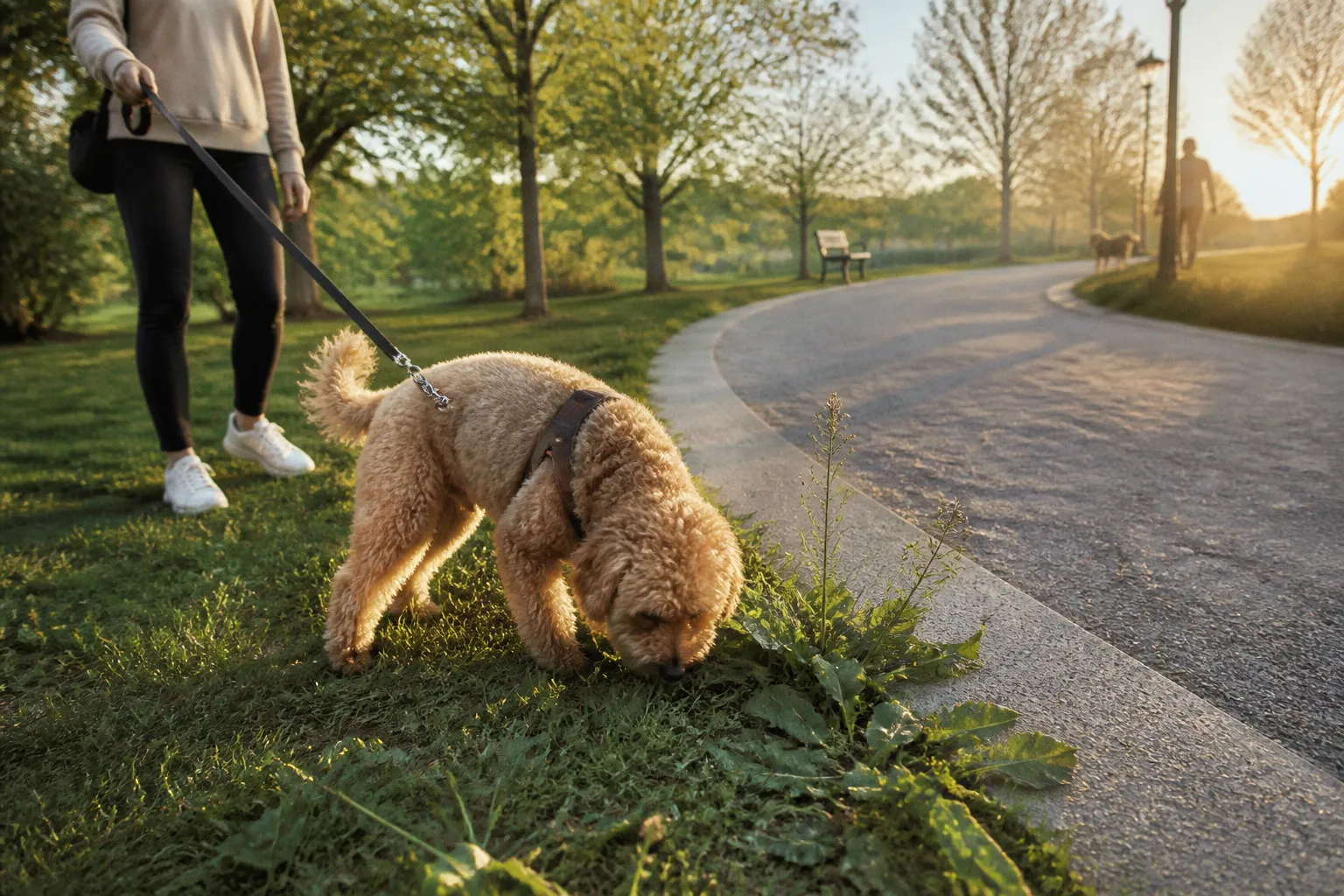
A small set of repeatable handler mistakes accounts for much of the preventable discomfort and injury he sees in everyday outings — and the fix starts with calibration, not added mileage.
What the vet confirmed
Dr. Saraswat frames daily outings as preventive health care rather than recreation. Regular activity, in his assessment, maintains body condition, supports cardiovascular fitness, preserves muscle tone, and keeps joint mobility within functional range. It also regulates energy balance and reduces weight-gain risk when paired with appropriate nutrition. Mental stimulation is a co-equal outcome, not a byproduct of the physical component.
The harm enters when load is applied incorrectly. Dr. Saraswat enumerates five handler mistakes that recur across his clinical caseload. Two principles anchor what he shared publicly: consistency outperforms strenuous bouts, and dogs need to be allowed to sniff and investigate the route rather than be marched at a fixed pace. Duration and intensity must be calibrated to age, breed, weight, body condition, and overall health status — variables he treats as non-negotiable inputs before any session.
Red-flag protocol
Indicators that should end the walk and trigger a veterinary consult, per Dr. Saraswat:
- Persistent fatigue during or after the outing
- Pain response on handling or movement
- Limping, regardless of severity
- Breathing difficulty
- Noticeable change from the dog's established walking pattern
Pushing the dog through these signals, the vet noted, compounds the injury rather than building tolerance.
Pre-walk parameters
Variables to confirm before clipping the leash:
- Duration scaled to age, breed, weight, body condition
- Intensity held below the threshold where respiration or gait changes
- Acute health status — any current condition resets the dose
- Post-walk scan for the red flags above before scheduling the next outing