Essential Heatwave Safety Protocols for Responsible Dog Owners
According to The Independent, citing Jacqueline Boyd, Senior Lecturer in Animal Science at Nottingham Trent University, heat waves are increasing in frequency and severity, and canine physiology…
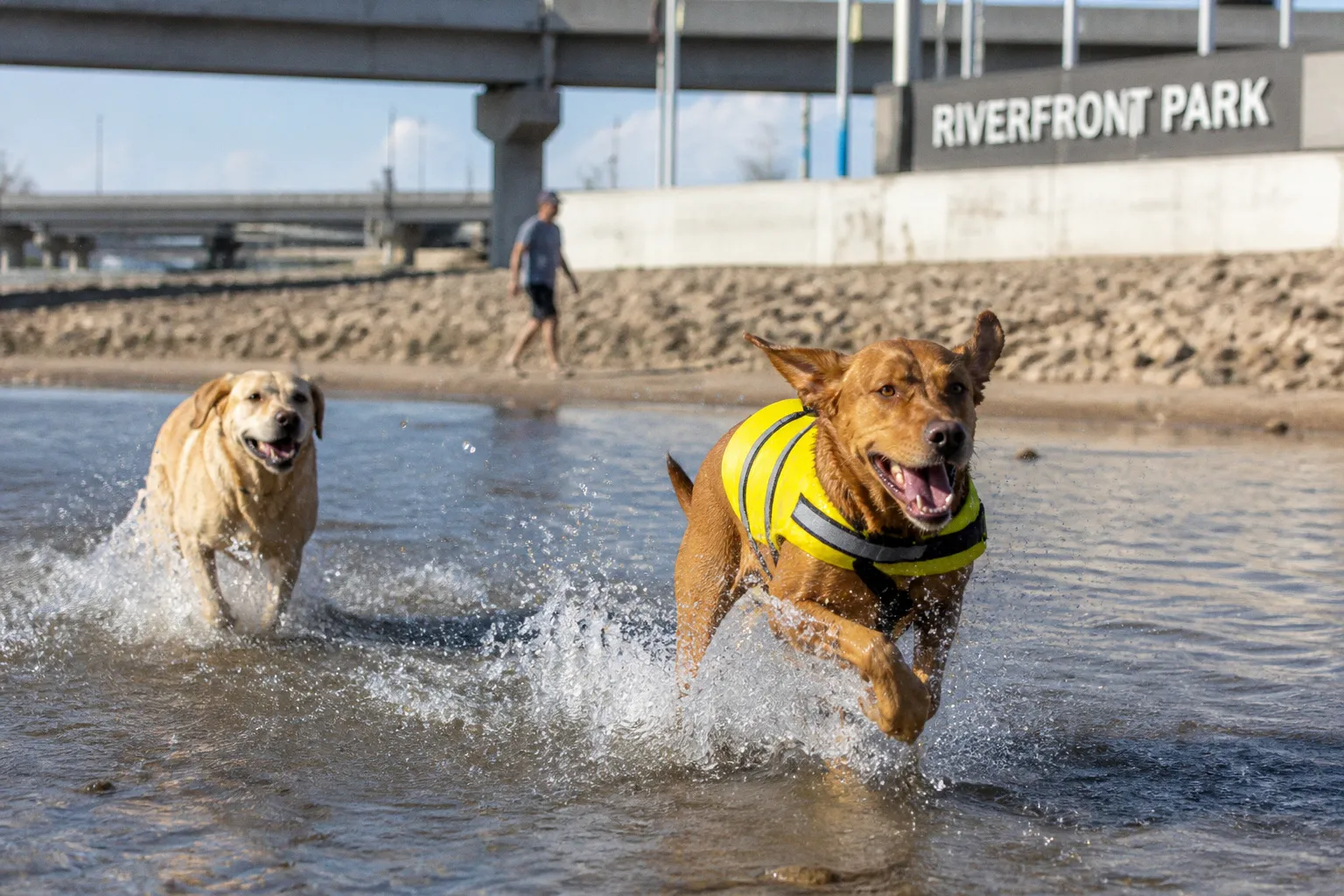
According to The Independent, citing Jacqueline Boyd, Senior Lecturer in Animal Science at Nottingham Trent University, heat waves are increasing in frequency and severity, and canine physiology cannot adapt to rapid thermal shifts. Dogs fail to acclimatize within the timeline of sudden temperature spikes. This is a thermoregulation problem, not a comfort problem, and it requires protocols from every handler and owner.
Thermal Constraints in Canine Physiology
Dogs rely on panting as the primary cooling mechanism. Sweat glands exist on paw pads but contribute minimally to heat dissipation. The kinetic chain from respiration to core temperature is inefficient under hot, humid conditions, making sustained exertion a direct thermal risk.
Elevated-risk categories requiring modified handling protocols:
- Brachycephalic breeds: pugs, bulldogs, and similar flat-faced dogs show reduced airway efficiency and impaired evaporative cooling.
- Dogs with thick or double coats retain heat longer than short-coated breeds.
- Overweight, unfit, juvenile, and geriatric dogs carry reduced thermoregulatory capacity.
For working dogs, dehydration is a primary heatstroke factor. Electrolyte solutions in water can support fluid retention during active shifts, but plain fresh water remains the baseline intake.
Environmental Hazards and Operational Adjustments
Vehicles accumulate heat rapidly. Open windows do not eliminate risk. Never leave a dog unattended in a closed vehicle, even with ventilation. During transport, direct airflow to the rear compartment where the dog is positioned. Use cabin recirculation in stationary traffic to limit intake of hot external air and traffic fumes.
Ground surface temperature is a load-bearing concern. Asphalt, concrete, and artificial turf can exceed safe thresholds within minutes of sun exposure. Test surfaces with the back of the hand for five seconds. If the surface cannot be held, paws cannot be on it.
Schedule walks during cooler windows: early morning and late evening. Route selection must prioritize continuous shade. Carry water and offer it at intervals. When ambient temperature exceeds the dog's thermoregulatory threshold, substitute outdoor walks with indoor training or controlled play sessions.
Heatwave Protocol Checklist
- Walk during cool hours only; avoid midday exposure.
- Verify ground temperature before departure.
- Carry water; supplement with ice cubes or added water to meals.
- Confirm shade availability along the entire route.
- Reduce or eliminate outdoor exercise on extreme-temperature days.
- Use vehicle recirculation mode; never leave the dog unattended.
- Increase monitoring frequency for brachycephalic, senior, juvenile, and overweight dogs.
- Provide electrolyte-supplemented water for working dogs on active shifts.