Beyond the Daily Walk: Building Canine Strength and Mobility
A daily walk covers movement, not conditioning. According to veterinary sports medicine and rehabilitation specialist Dr.
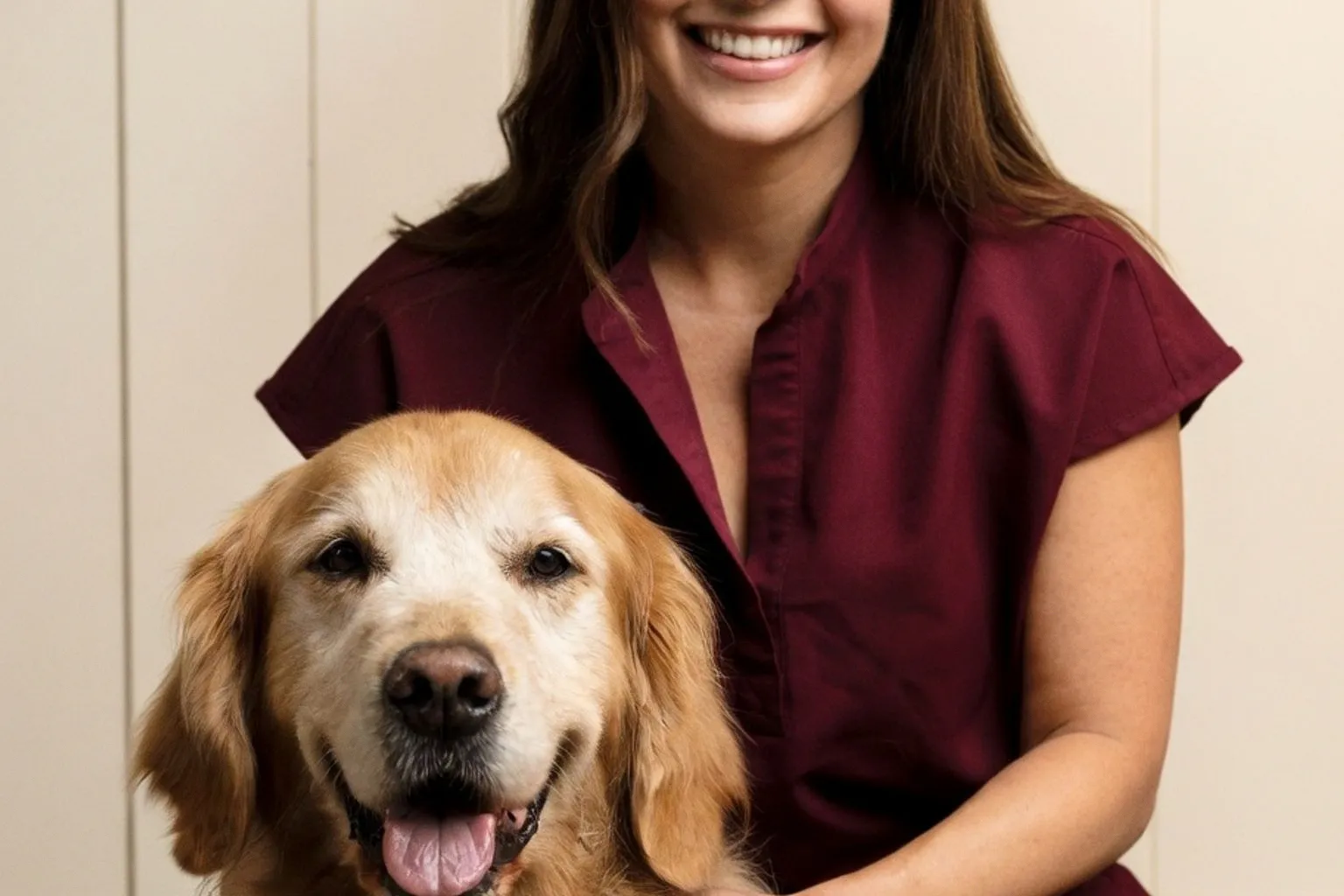
Kelly Fishman, slow steady walks once or twice a day fail to build canine strength or endurance — a deficit that propagates through the kinetic chain in working breeds, agility competitors, and senior dogs alike.
Fishman, founder of Strut Animal Mobility Specialists, outlined four practical parameters in coordination with MYOS PET's veterinary advisory board, timed to National Dog Day on Aug. 26.
Load and Conditioning Targets
Casual walking addresses locomotion, not load capacity. Fishman's prescription: ten minutes of structured work, three times per week, separated from routine walks. This generates measurable gains in lifelong mobility and kinetic chain integrity.
Deployable vectors:
- Planks, push-ups, squats — muscular load
- Jumps, trotting intervals — cardiovascular demand
Scale intensity to age, breed, baseline health, and current conditioning. Consult a veterinarian before initiating any new protocol.
Baseline Support: Nutrition and Hydration
Nutritional demand shifts with activity level and life stage. Fishman frames the priority as feeding the muscle, particularly in senior or high-output animals. Among her references: MYOS PET, which contains Fortetropin, a bioactive ingredient derived from raw fertilized egg yolk, positioned for muscle maintenance and mobility support.
Hydration baseline requires clean, fresh water at consistent access. Streaming fountains may increase voluntary intake in select dogs but are not required. Match fluid access to exertion level and ambient thermal load.
Pain Surveillance Indicators
Pain presents subtly before overt lameness. Limping is a late-stage signal, not an early one.
Triggers for veterinary review:
- Stopping mid-walk without environmental cause
- Lagging on leash relative to baseline pace
- Reluctance on stairs or during play
- Extended recovery time post-exercise
Document gait shifts and weight-bearing asymmetry across all four limbs. Any deviation from baseline warrants evaluation.