ARTIS Micropia tickets: pre-visit checklist for pet owners
ARTIS-Micropia doesn't want your dog. Neither does the Royal Zoo next door. That fact alone reshapes the whole trip, and it's the part most visitors pretend they can negotiate.
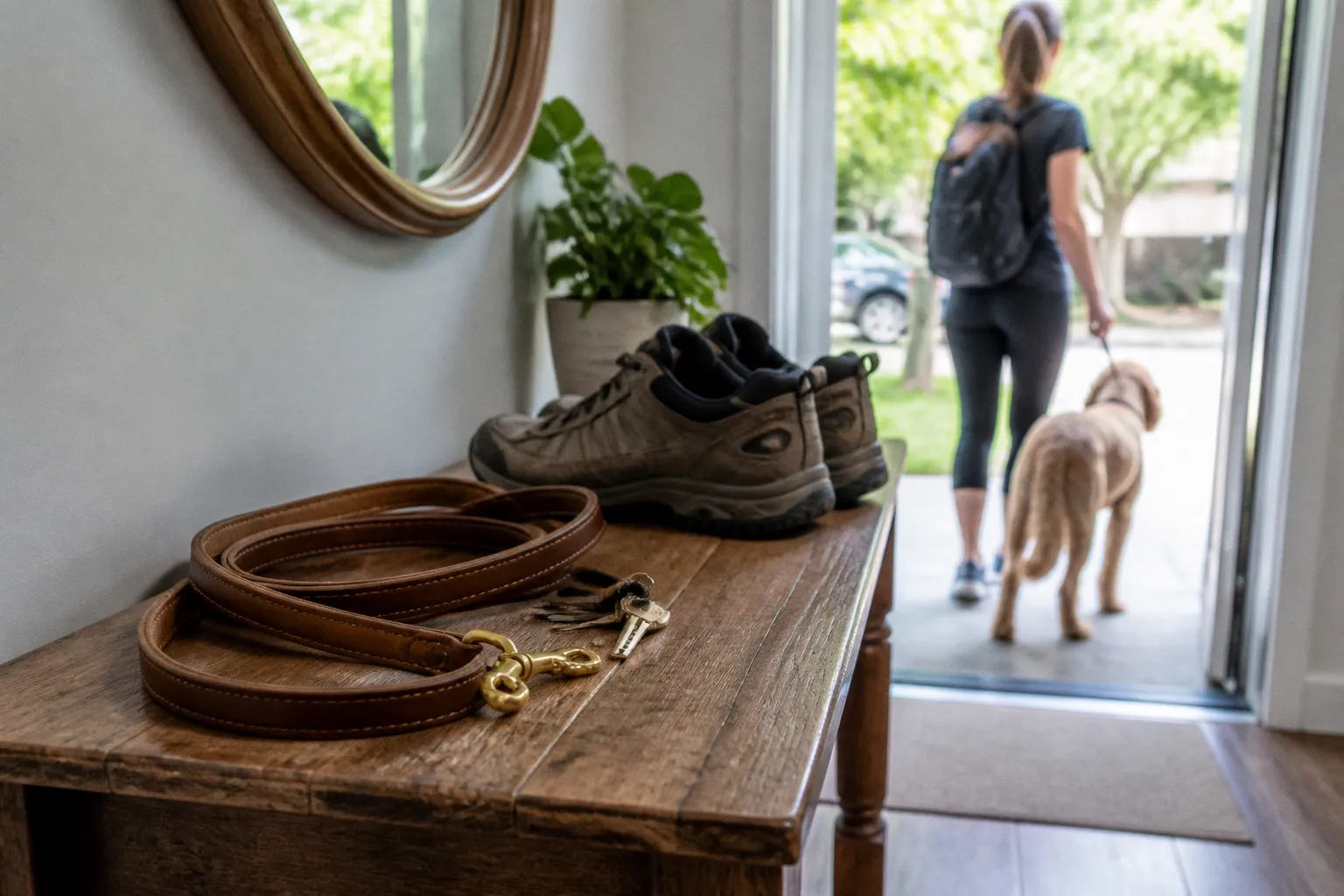
ARTIS Micropia Tickets: A Pre-Visit Checklist for Pet Owners
The museum sits at Plantage Kerklaan 38–40 in Amsterdam, open daily from 10:00 to 17:00, including the public holidays that everyone assumes must be exceptions. They aren't. The pet policy is the same every day of the year: no animals on the grounds, period. The single carve-out is a registered assistance dog, and "registered" is doing real work in that sentence. We're not talking about the vest you ordered online. We're talking about a dog formally trained and documented to perform specific tasks for a handler with a disability, with proof presented at the ticket desk. No paperwork, no entry.
Tickets and prices
ARTIS Micropia
Amsterdam
01 · GetYourGuide
Entry ticket — microbe museum
€18
02 · GetYourGuide
Entry ticket — mosaic workshop
€61
03 · GetYourGuide
Workshop — paper-mâché with artisans
€75
04 · GetYourGuide
Combo ticket — zoo and microbe museum
€39
05 · Official
Official ticket — ages 0 to 12
If you're an Amsterdam resident with a dog and you've been casually thinking about checking out the microbe museum "sometime," this is where the planning conversation has to start, not end. The pet piece isn't a footnote. It's the spine of the entire visit.
What the Policy Actually Says (and What People Try to Get Away With)
The no-pet rule isn't a soft suggestion. ARTIS treats the Royal Zoo and Micropia as a single visitor environment, and the policy applies across both. If your clever workaround is letting your dog wait at the entrance while you dash in for an hour — there is no entrance-area kennel, no holding pen, no "I'll just tie him to the bike rack outside" concession. The grounds are gated, staffed, and watched. Staff will stop you.
The only permitted exception is the registered assistance dog. The animal must be trained to perform specific tasks directly related to a handler's disability, and the handler must carry the documentation proving it. An emotional support animal — even one with a letter from a therapist, even one with a service vest, even one that's been to three obedience classes and sleeps in your bed — does not qualify. ESA credentials are not assistance-dog credentials, no matter what the American airline policy used to say.
If your dog doesn't have formal assistance-dog credentials and proper paperwork, leave the dog at home. There is no exception that ends well for you, the staff, or the animal.
Why does this matter for a microbe museum specifically? Two reasons. First, the building is small, indoor, climate-controlled, and runs at high density during peak hours. Stress for a non-working dog in that environment is real. Second, the wider ARTIS footprint includes free-roaming peacocks, water features, and unpredictable foot traffic that an untrained animal will react to. The policy isn't hostile to dogs. It's protective of the experience and the welfare of everyone in it — including yours.
Buying Tickets Without Overpaying or Showing Up to a Locked Door
The pricing structure for Micropia isn't complicated, but it has one quirk that catches people every season: online is cheaper than the door, every single time. Walk-up pricing is the highest tier. If you're buying tickets, buy them online in advance. There's no upside to waiting, and there's no surprise discount for showing up in person.
The booking process opens with a couple of choices that matter. You'll pick a date and a timed entry slot. That slot governs when you walk into Micropia specifically. If you've bundled your ticket with the main ARTIS Royal Zoo, the Micropia time slot stays fixed — that's the window for the microbe museum — but access to the Royal Zoo itself is open all day. You can wander into the main zoo before or after your Micropia slot, any time during regular 10:00–17:00 hours on the same date.
A few practical things worth pinning down before you click through:
- Children up to and including 12 years old get into Micropia for free. A family visit is genuinely cheap at the base level, and worth factoring in if you've got a multi-generational group and someone is staying home with the dog.
- The museum opened in 2014 and currently operates daily from 10:00 to 17:00. Hours can shift for maintenance or special events, so always confirm the schedule for your specific date on the official site before committing.
- Third-party reseller options exist, including skip-the-line and combo products. These can be convenient, but availability and pricing fluctuate, and resellers don't set or interpret museum policy. When in doubt about rules, refunds, or what counts as an assistance dog, the official ARTIS site is the source of truth — verify everything there before you buy.
- Last entry is typically earlier than closing. Don't book a 16:30 slot expecting a relaxed hour inside. Confirm the cut-off for your specific date before committing.
The Pet Care Decision: What You're Actually Booking
Here's where the trip gets real. You can't bring the dog. You can't leave the dog at the venue. So the question becomes: who is watching the dog, and what is that arrangement actually doing for the animal?
Amsterdam has no shortage of professional dog walkers and pet sitters. The market is mature, demand is high, and the quality spread is wide. A few realities worth naming:
- A standard dog walk is a 30–60 minute block. If your Micropia visit plus transit plus a Royal Zoo wander runs you four to five hours out of the house, one walk is not enough. You're booking two, possibly three, depending on the dog's age and bladder.
- House-sitting is the higher-trust option for longer stretches. Someone in your home, with your dog's routine intact, beats a day at a boarding kennel for most animals. It also costs more and books out faster, especially around weekends, school holidays, and the high season.
- Day-care facilities exist in the city but vary wildly on staff-to-dog ratios, vaccination requirements, and how they handle dogs that need actual downtime. A high-energy social dog and a dog in decompression are not the same customer, and the better facilities know the difference.
The hard part isn't finding someone. The hard part is vetting them. A few non-negotiables when you call around:
- Insured and registered with a verifiable local business address. A random Instagram profile with cute dog photos isn't a service — it's a hobby.
- A clear cancellation policy in writing, especially around weather, illness, and behavioral issues. If a sitter won't put their terms on paper, walk.
- A real conversation about your dog's specific triggers: resource guarding, leash reactivity, separation anxiety profile, sound sensitivity. Anyone who promises to "figure it out when they meet him" is guessing with your animal.
- References you can actually call — not testimonials copied onto a website, but a previous client willing to talk to you for five minutes.
A sitter who doesn't ask about your dog's behavioral history isn't being polite. They're being negligent.
If you're an Amsterdam resident, you probably have a regular. Confirm the dates now, in writing, and reconfirm the day before. If you're visiting from out of town with a dog, this entire checklist needs to be in motion before you book the museum ticket. Reversing the order — museum first, dog logistics second — is how trips fall apart at the door.
Duration, Hours, and How the Day Actually Fits Together
A standalone Micropia visit runs about 1 to 1.5 hours. That's the realistic walk-through time if you read the exhibits, watch the live microbe displays, and don't rush. The venue is small enough that any longer than 90 minutes and you're lingering for the sake of lingering.
Combined with the Royal Zoo, a full day is comfortably six to seven hours, and that's with breaks. Plan the dog-care window around the longer version, not the optimistic one. Transit in Amsterdam adds time you don't see on paper — trams run frequently, but a 15-minute wait plus a 20-minute ride plus walking on both ends can easily double what the map claims. Build buffer in.
Daily hours are 10:00 to 17:00, every day of the year, including the holidays when a lot of regular sitters take time off. That detail alone is worth confirming before you commit to a date. A booked sitter who calls in sick on King's Day is a problem you solve now, not on the morning of.
The Pre-Visit Checklist
A working list for the week before you go:
1. Confirm the dog-care booking — sitter, walker, or both — with a backup contact, in writing.
2. Vet the sitter if they're new to you: insurance, references, written terms, a real behavioral conversation.
3. Book Micropia tickets online with a timed entry slot that fits your actual schedule, not your wishful one.
4. If bundling with the Royal Zoo, understand the Micropia slot is fixed and the rest of the day is open.
5. Note any children in your group (12 and under = free at Micropia) and confirm age requirements at booking.
6. Plan transit both ways, including realistic buffer for trams and walking, especially with strollers or mobility needs.
7. If you have a registered assistance dog, confirm what documentation you need to present at the ticket desk before you leave the house.
8. Build a "what if the sitter cancels" plan: a second contact, a boarding backup, or a friend on standby.
9. Feed and walk the dog before you leave. Don't dump a full meal and expect a quiet afternoon.
10. Leave the dog something with your scent and a familiar chew. Decompression starts before you walk out the door.
Your Actual Homework
This isn't a hobby. If you're a dog owner trying to visit Micropia in the same week, the museum is the easy part. The dog logistics are the job.
Lock down the sitter before you click "buy ticket." Confirm credentials before you trust someone's schedule. Build a cancellation plan before you assume nothing will go wrong. And stop telling yourself the dog will "be fine for a few hours" without verifying what that means for your specific animal. Some dogs are. Some dogs eat the couch. The difference isn't love — it's preparation.
A confident, rested dog at home and a stress-free museum visit for you is the entire goal. The rest is paperwork and phone calls.
Practical info
Currency: EUR
Driving: on the right
Emergency number: 112