Why Professional Pet Care Demand Remains High Years After the Pandemic
Six years after the pandemic pet acquisition wave, the constraint on pet care is no longer owner enthusiasm. It is owner availability.
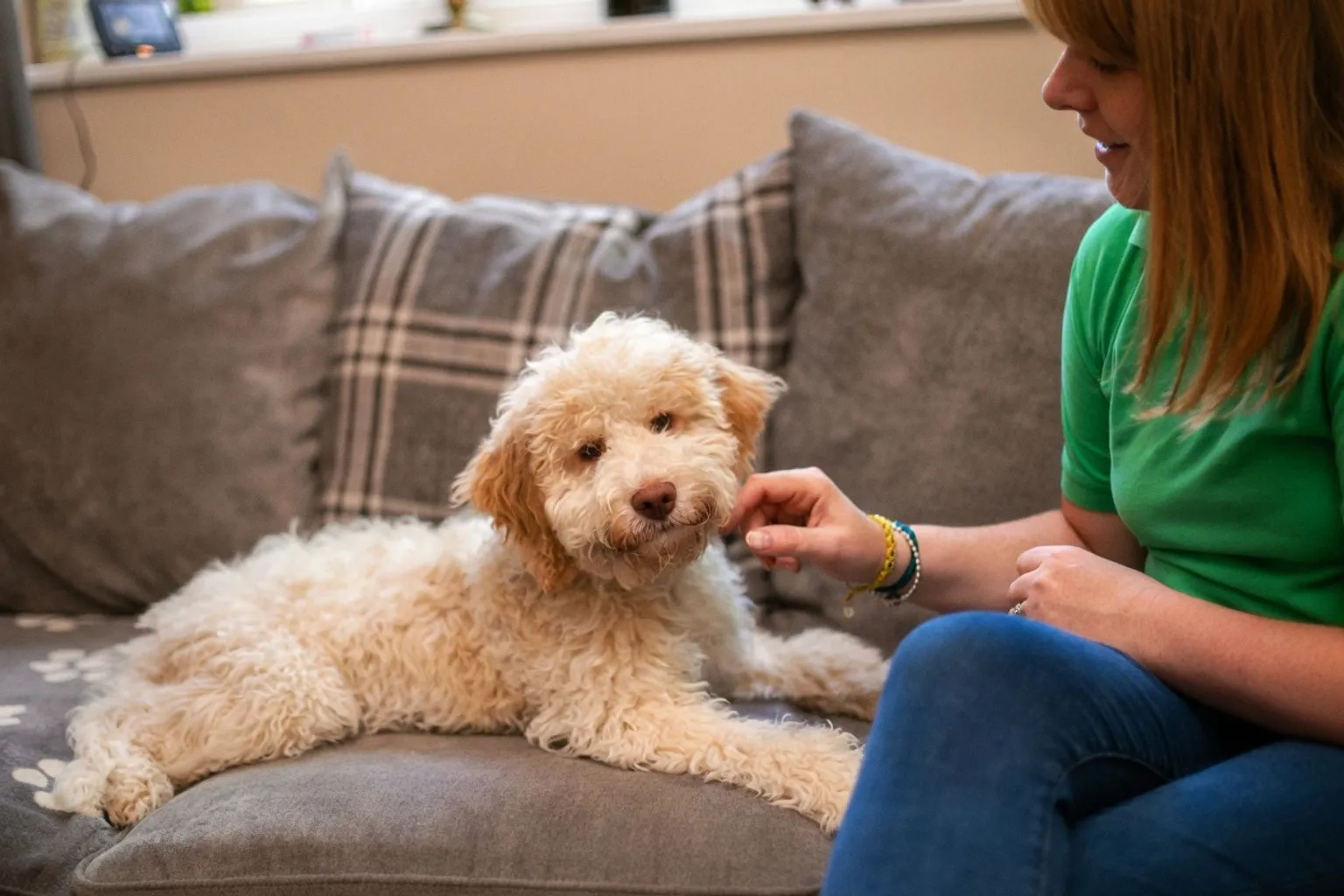
According to UK Pet Food's 2026 research, reported by Companion Life, 62% of UK households now own a pet, and the UK dog population sits at roughly 15.5 million — three million higher than 2021. Demand for professional dog walking and pet sitting has not receded with the return to offices and travel. Hybrid schedules and longer working hours have converted the daily walk from a discretionary task into a logistics problem.
Where the routine breaks down
Kevin Thackrah, Director of Petpals, frames the issue as routine volatility. The lockdown period gave owners a fixed block at home: a midday walk could slot inside a video call. In 2026, that window closes unpredictably. An owner working a hybrid week may be in the office Tuesday, at home Wednesday, traveling Thursday. The dog's requirement for exercise, elimination, and mental engagement does not flex with that calendar.
Parameters a professional service should stabilize:
- Walk duration and frequency set by life stage — puppy, adult, senior
- Backup coverage for owner illness or last-minute schedule shifts
- Communication protocol — written log, photo, or app update per visit
- Defined escalation path for injury, illness, or escape
Demographic load: younger cohorts are not exiting
The Companion Life analysis also cites 78% Gen Z and 73% Millennial pet ownership in the UK. These groups entered ownership during or after the boom and are not dropping out. For service providers, this extends the demand horizon well beyond the original 2020 cohort. For an owner, the practical consequence is service longevity: a dog acquired today will likely need walking support for more than a decade. Selecting a walker or sitter is a multi-year operational decision, not a one-off booking.
Pre-contract checks
- Insurance and bonding — written confirmation, not verbal assurance
- Canine first-aid training — what level, when last renewed
- Group walk cap — verify maximum dogs per handler and how it affects leash control
- Route disclosure — know where the dog will be walked, for how long, and under what conditions
- Cancellation, key handling, and home access policy — documented, not implied
- Trial period — a defined observation window before committing to a recurring schedule
The data point worth tracking next is whether service supply expands in line with this sustained demand. Where walker density stays flat against a rising dog population, per-dog exercise time and handler fatigue become the limiting factors — and that is where operational risk accumulates.