Why Professional Dog Walkers Must Prioritize Post-Walk Grass Seed Inspections
Harrison Family Vets, a ten-practice UK group headquartered in Tyldesley, is directing owners and professional walkers to screen every dog after each outing following a steep rise in grass-seed injuries this summer.
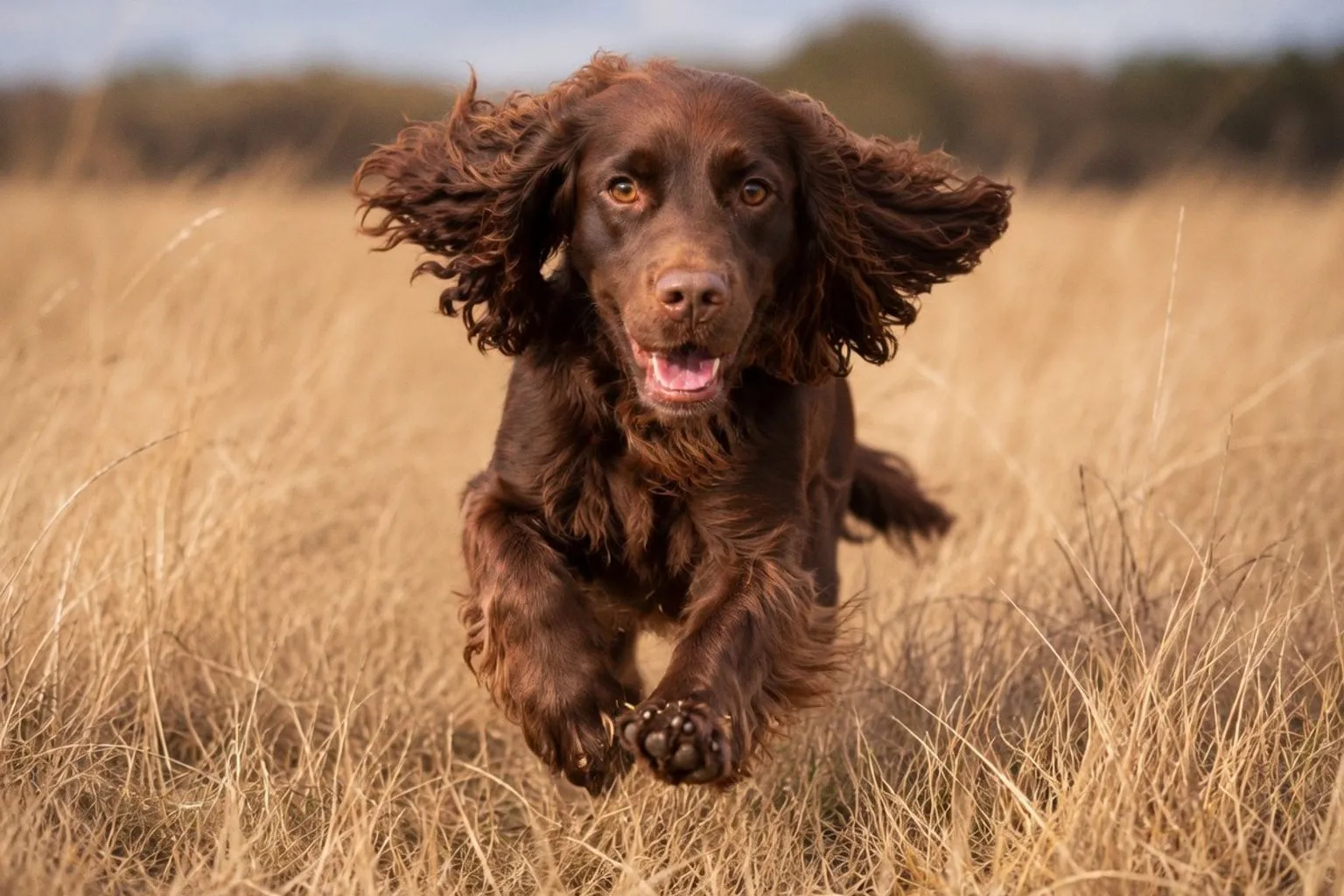
Across its clinics, staff have logged more than 460 cases since May, with most removals performed under sedation or general anaesthesia. For sitters, walkers, and multi-dog handlers routing animals through parks, meadows, or verges, the figure converts a routine brush-down into a mandatory post-exercise safety step.
Why the Seed Penetrates
Grass seeds carry pointed, barbed tips that move in one direction only: inward. Once caught in fur, the seed works through the coat, pierces the skin, and continues into cavities or along tissue planes. Ears, nostrils, paw webbing, the under-tail region, and the conjunctival sac are the most frequent entry points. James Harris, group clinical director at Harrison Family Vets, notes that the structures can cause "an incredible amount of discomfort" and, if left untreated, serious infection or deeper migration. "The sooner they're removed, the less likely they are to cause complications and infection," Harris adds.
Exposure Parameters
- Season: Peak case load aligns with grass flowering, typically late spring through summer.
- Weather: Warm, dry conditions desiccate seed heads, increasing shedding and adhesion to passing coats.
- Terrain: Long grass, unmown meadows, and roadside verges present the highest seed density.
- Coat profile: Medium-to-long coats, feathered legs, and drop ears trap seeds most readily.
- Behaviour: Off-lead exploration and recall-resistant dogs extend exposure time.
Post-Walk Inspection Protocol
Allocate five minutes per dog. Run hands against the coat grain from nose to tail.
Check zones in this sequence:
- Paws — webbing between toes, nail beds, dewclaws.
- Ears — canal entrance, inner flap, base.
- Eyes — conjunctiva, tear ducts; weeping, redness, or squinting.
- Nostrils — discharge or repeated sneezing.
- Ventral surfaces — groin, under-tail, skin folds.
- Body — systematic pass through feathering and furnishings.
Do not attempt to extract a seed once it has broken the skin. A barbed tip pulled outward drives the structure deeper and may fracture, leaving fragments behind.
Escalation triggers — same-day veterinary contact if the dog shows:
- Persistent head shaking or ear pawing.
- Limping or weight-shifting after a walk.
- Repetitive sneezing or unilateral nasal discharge.
- A sore, weeping, or partially closed eye.
- Localised licking or chewing with no visible cause.
- Vocalisation or flinch on palpation.
Standard removal requires sedation or general anaesthesia once a seed has penetrated. Treatment delay raises the probability of infection and migration along fascial planes.