Why Home-Cooked Dog Diets Often Lead to Digestive Distress and How Brands Are Reacting
study cited by PEDIGREE® India found that 26% of pet parents feeding home-cooked meals report digestive issues in their dogs, according to reporting in The Tribune.
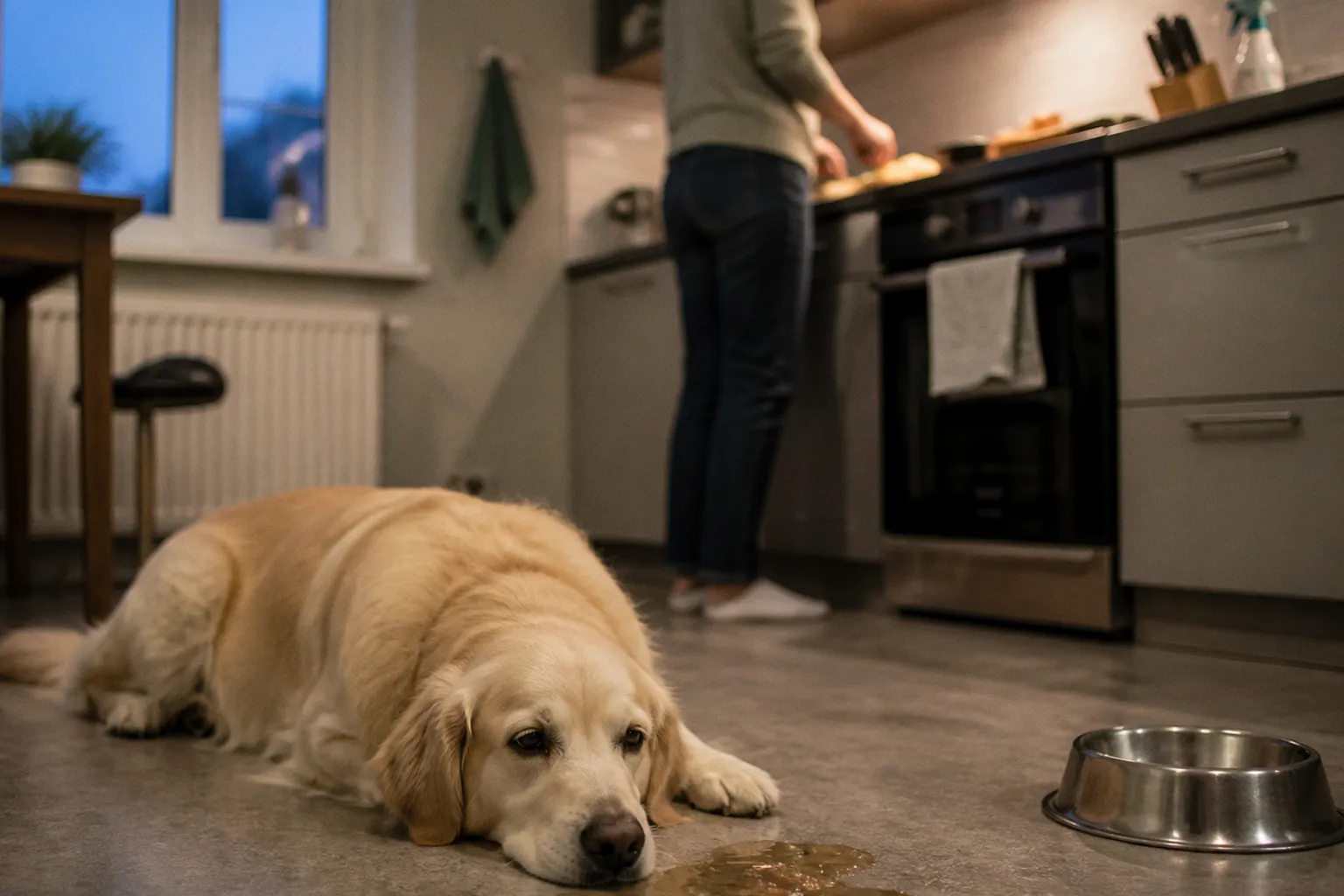
The Mars Pet Nutrition brand has responded with PEDIGREE® Healthy Belly, a complete adult formula built around pumpkin, sweet potato, highly digestible chicken and egg proteins, and prebiotic fibres. For walkers and sitters, the relevant signal is the digestive load on the kinetic chain: input volume and composition alter gait output, recovery time, and stool consistency during a working session.
The data point and the formula
The 26% figure is drawn from an internal brand study, not independent research. It is directional, not population-representative. What it confirms is a measurable incidence of observed digestive symptoms among home-cooked feeders in the surveyed sample. Walkers rotating across multiple households routinely see the downstream signs: inconsistent stool, reduced appetite, and altered energy output under load.
The new formula groups inputs by function:
- Fibre sources: pumpkin and sweet potato
- Protein sources: chicken and egg, positioned as highly digestible
- Microbiome support: prebiotics to encourage beneficial gut bacteria
- Format: what the brand describes as PEDIGREE® India's first belly-shaped kibble
The launch is paired with a dedicated microsite on canine digestive health and a brand film featuring Indian cricketer KL Rahul. Mars Pet Nutrition India states the target is everyday feeding rather than corrective intervention after symptoms appear.
Field protocol and checklist
Treat the feeding plan as a load variable on every walk:
- Confirm brand, portion size, and meal timing before the first session.
- Log stool frequency and consistency across the booking. Flag deviations from baseline to the owner.
- Schedule high-intensity segments (trotting, hill work, retrieval) outside the immediate post-meal window.
- Document compensatory movement patterns: shortened stride, repeated stops, stiff hind-end transitions.
- Maintain hydration access during warm weather; fibre-forward intake raises water demand and affects thermal regulation during work.
- Refer persistent symptoms to a veterinarian rather than adjusting the walk plan unilaterally.
What to monitor next
Track stool quality and post-walk recovery time as primary indicators. The launch is one data point in a broader industry shift toward digestive-health positioning. The product is not directly available in all markets, but the formulation logic — soluble fibre plus prebiotic support — applies wherever a dog transitions between diet types or shows subclinical digestive stress. If symptoms persist or escalate, escalate to veterinary review. Input determines output, and output determines how the dog moves.