Why Cross-Breeding Pugs Significantly Improves Canine Respiratory Health
As reported by Vet Times, the research team argues that moving away from extreme conformation offers a practical route to improving canine welfare.
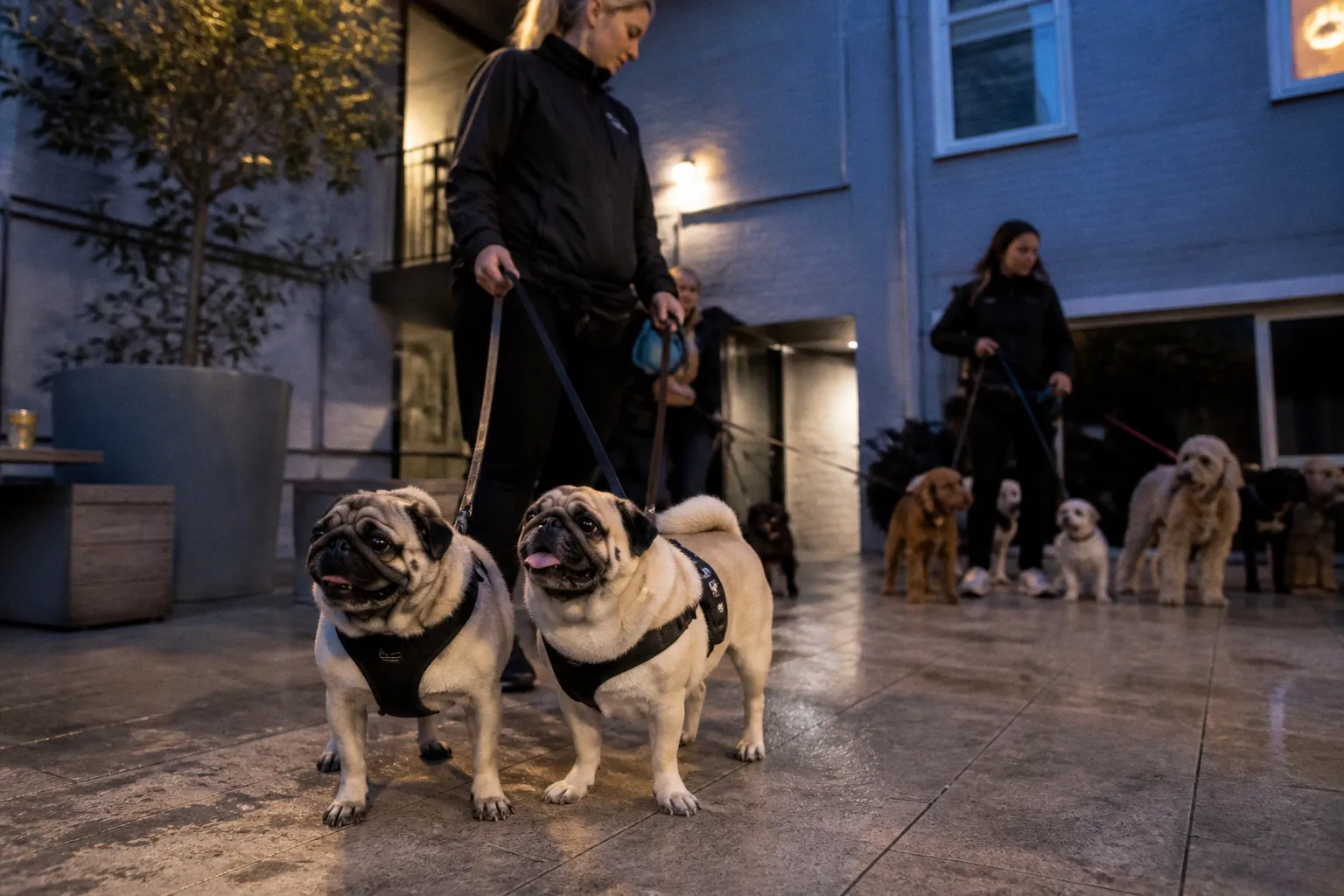
A new RVC-led study puts a number on what handlers of flat-faced dogs already see in the field: 47.1% of purebred pugs in the cohort were graded with severe airway disease on the Respiratory Function Grading Scheme. None of the pug-Jack Russell crosses (jugs) and only one pug-beagle cross (puggle) reached that threshold. As reported by Vet Times, the research team argues that moving away from extreme conformation offers a practical route to improving canine welfare.
What the data shows
The Animal Welfare journal paper examined 150 pet pugs and pug cross-breeds over a 10-month recruitment window. Each dog underwent RFGS testing, a dental and neurological assessment, and a skin fold dermatitis check where folds were present.
Recorded findings:
- Airway impairment affected every purebred in the cohort; only one puggle and zero jugs.
- Skin fold dermatitis hit 38.3% of purebreds; zero jugs and puggles, even though folds appeared in 15.7% and 27.1% of those groups respectively.
- Eye, orthopaedic, and neurological abnormalities ran higher in purebreds.
- Median monthly vet spend: £45 for purebreds, £10 for cross-breeds.
- Owner-reported "excellent" quality of life: 92.2% of jugs, 81.2% of puggles, 58.8% of purebreds.
A parallel session at the AVMA Convention, per AVMA News, drove the same point from another angle: speakers urged veterinarians to take an active role in breeding dog health, with preventive care, genetics, and socialization as the levers.
Operational impact for handlers
Extreme brachycephaly compresses the upper airway and disrupts thermal regulation. Under load — collar pressure, ambient heat, sustained walking — a compromised airway breaks the kinetic chain. The dog slows, pants harder, refuses forward motion, or drops. Handlers who interpret these signs as stubbornness misdiagnose a respiratory event.
Protocol adjustments:
- Record resting respiratory rate before each walk. Establish a baseline per dog.
- Use a chest-plate harness. Shift load distribution off the trachea.
- Cap walk duration above 20°C. Reduce further above 25°C.
- Watch for cyanotic gums, audible stridor, post-exercise recovery over 10 minutes. Terminate the walk.
- Log every airway event. Hand the log to the owner or sit client at booking end.
Intake checklist
- Request the dog's RFGS grade at handover. A grade of 2 or 3 mandates a modified protocol.
- Ask about prior respiratory episodes. Document frequency and triggers.
- Confirm harness type. Decline bookings where a collar-only setup is the only option for a brachycephalic dog.
- Brief the client on thermal limits in writing. Cover walk duration, ambient temps, and stop conditions.
- Verify emergency vet contact before the first walk.
The cross-breed data is encouraging, but it lowers risk rather than eliminating it. Treat any pug or pug-type cross as a high-load patient until graded otherwise. The RVC team's position, as Vet Times reports, makes a practical case: conformation drives welfare cost. Handlers who adjust gait, load, and thermal limits to that finding reduce the rate of in-walk emergencies.