State line transport: do rescue dogs need health certificates?
Every transport season, somewhere in the country, a van full of rescue dogs gets pulled over at a state line because someone assumed a rabies tag was the same thing as a health certificate. The dogs don't make it to the receiving shelter that day.
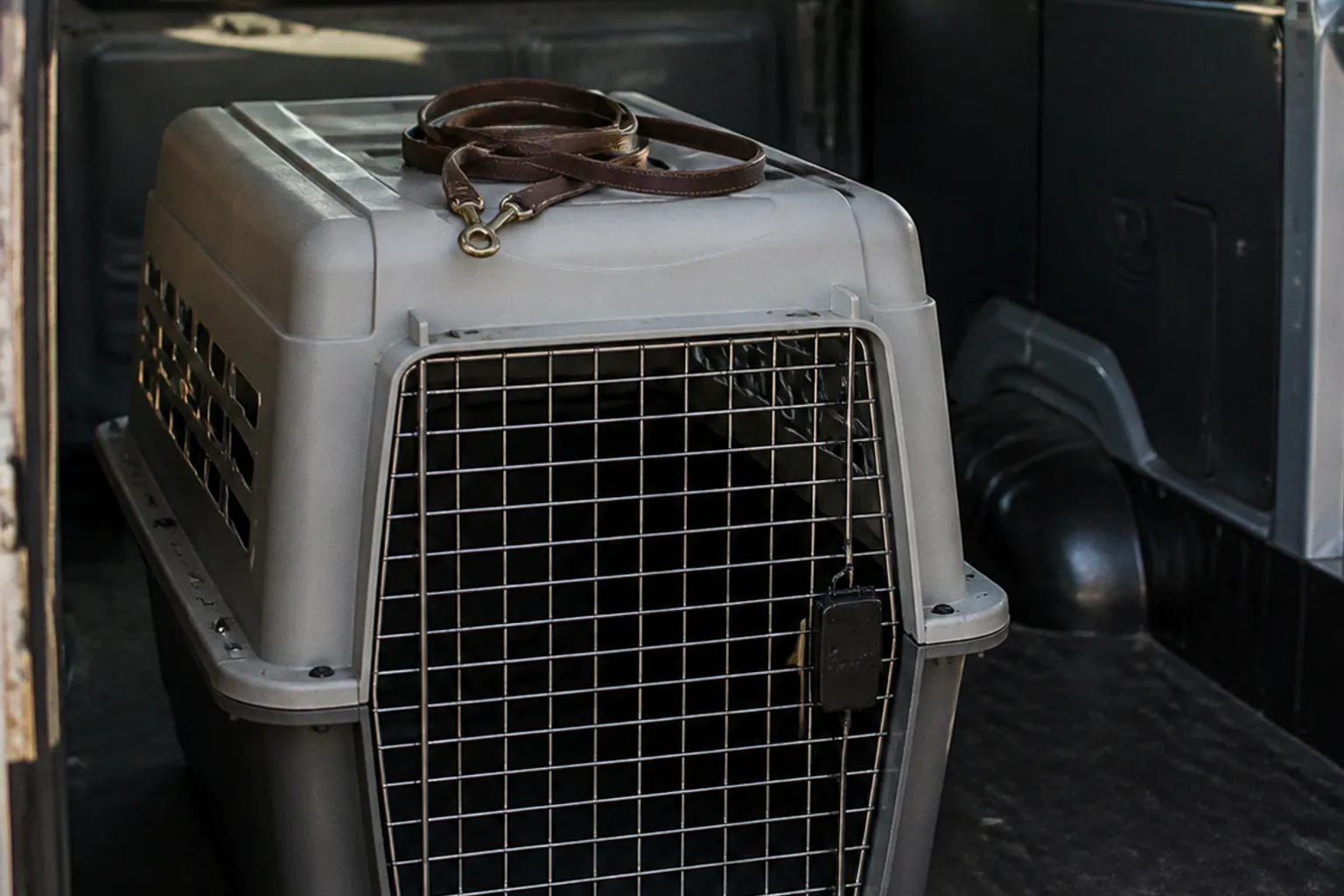
Sometimes they don't make it at all. The volunteer driving the van — often someone who's poured hundreds of hours and thousands of dollars into "saving" these animals — learns an expensive lesson about federal paperwork they never bothered to read.
This is not a horror story. It's Tuesday in the transport world. And it's entirely preventable.
The hard truth: Yes, rescue dogs need health certificates to cross state lines. Specifically, a Certificate of Veterinary Inspection (CVI) issued by a USDA-accredited veterinarian. It's not optional. It's not a "nice to have." It's federal regulation layered on top of state-specific import requirements, and it's the single most common gap in volunteer-led transport operations.
The CVI Is Federal Law, Not a Suggestion
The USDA's Animal and Plant Health Inspection Service (APHIS) regulates interstate animal transport under the Animal Health Protection Act. Each state has its own import regulations, but they all build on a federal floor: a CVI is required for any dog crossing state lines for sale, adoption, or transfer to another party. The exam must be performed and signed by a USDA-accredited veterinarian — not just any licensed vet, but one who has gone through the federal accreditation process specifically to issue interstate health documents.
Let me be specific about what a CVI actually is, because the terminology trips people up constantly:
- Rabies Certificate — proves the dog was vaccinated against rabies. Issued at the time of vaccination. It does not certify current health.
- Certificate of Veterinary Inspection (CVI) — issued by an accredited vet after a physical examination. Certifies the dog was inspected and showed no signs of infectious or communicable disease at the time of exam. This is the "health certificate" most people mean when they say "health cert."
- Health Certificate (colloquial) — almost always refers to the CVI in transport contexts. Sometimes people conflate it with a routine vet visit summary or a vaccine record. It is neither of those.
A CVI is not a promise of long-term health. It's a snapshot — a single physical exam on a single day. The vet checks for visible signs of disease: nasal discharge, ocular discharge, skin lesions, fever, lameness, parasites, oral abnormalities, and a list of reportable conditions that varies by state. If the dog is symptomatic at the time of exam, the CVI doesn't get signed. Period. The vet's name and license number go on the document, which means the vet is staking their professional credibility on the assessment. That's why the CVI carries weight and a rabies tag doesn't.
Volunteers who think they can skip the CVI because the dog "looks healthy" are making a judgment call that isn't theirs to make. The point of the CVI is third-party verification, not owner optimism.
A rabies certificate proves a vaccine was given. A CVI proves a vet looked at the dog. These are not the same document, and confusing them is how transports end in confiscations.
The State Patchwork: Every Border Is a Different Rule
Here's where the transport world gets genuinely chaotic. Federal law sets the floor. States build their own ceilings, and the ceilings don't match.
A few examples that catch volunteers flat-footed:
- Hawaii is the strictest jurisdiction in the country for dog entry. Dogs face pre-arrival rabies blood titer testing, a documented waiting period, and historically a quarantine that ran up to 120 days. The rules have loosened in recent years for fully documented dogs moving through the direct airport release program, but "loosened" in Hawaii still means more paperwork than any mainland transfer.
- California requires a Dog Import Permit issued by the California Department of Food and Agriculture for many dogs, in addition to the CVI. Some counties layer on additional requirements around vaccination timing and microchip standards.
- Massachusetts tightened its import rules significantly, with specific documentation standards for CVI validity, rabies timing, and traceability for dogs coming from regions with reported disease activity.
- New York maintains separate rule tracks for dogs imported for adoption or resale versus personal pets moving with their owners, and the CVI validity window is shorter than many states allow.
- Texas has historically been more permissive, which is partly why southern-origin rescues ship dogs north and west at volume — but the receiving state, not the origin, controls the rules at the border.
The point isn't that one state is better than another. The point is that the destination state sets the requirements, and the origin state often has nothing to do with it. A volunteer driving from Alabama to Vermont needs to meet Vermont's rules, not Alabama's. This sounds obvious until you watch someone get turned around at a state welcome center because they Googled the wrong state's requirements.
There's no centralized federal database that lets a volunteer punch in an origin and destination and get the correct rule set. Some national transport networks maintain informal reference documents. Most rescues build their own spreadsheets through hard experience. The receiving shelter should always be the final source of truth, and any rescue that can't cite the specific destination-state rule from memory is one transport away from a problem.
Timing Windows: When the Exam Has to Actually Happen
CVIs don't last forever. Most states set a validity window of 10 to 30 days from the date of examination. Some accept up to 60. A few are tighter. The clock starts at the exam, not the transport date — and this is where transports fall apart under their own weight.
- A rescue schedules a transport two weeks out. Volunteers get the CVI done "early" to have it covered. Exam date: Day 1. Transport date: Day 14. If the destination state has a 10-day validity window, the CVI expires before the dog moves. The dog has to be re-examined or the transport has to be pulled forward.
- The transport gets delayed — weather, vehicle breakdown, volunteer scheduling, a sick driver. Suddenly a 15-day CVI is a 25-day CVI, and the receiving shelter has to reject the dog at intake or send it back.
- Multiple legs of a transport pipeline. Dog is examined in Texas on Monday, driven to Colorado on Wednesday, transferred to a volunteer heading to Oregon on Friday. Oregon's clock starts when the dog enters Oregon, but most states use the original exam date for validity, not the transit date. Long pipelines eat CVI windows fast.
Practical implication: CVIs should be obtained as close to the transport date as the destination state allows. Not weeks early. Not "whenever the vet had an opening." The exam window is part of the transport logistics, not a separate task.
There's also the rabies timing issue layered on top. Many states require the rabies vaccine to have been administered at least 14 to 30 days before entry. A dog vaccinated the same day as the CVI exam may not meet import requirements, even if it has a valid rabies certificate in hand. Same problem if the rabies vaccine expires during transit — some states require proof of current vaccination within a 12-month or 36-month window depending on the vaccine type.
What Actually Happens When Rescue Cuts Corners
Let's skip the abstract and talk about consequences, because they're not theoretical:
- Confiscation. State agriculture departments and animal control officers can seize dogs crossing state lines without valid documentation. The dog goes into a quarantine hold at the destination — or, in some cases, gets shipped back to the origin. Either way, the transport fails and the dog pays the price.
- Fines. Civil penalties vary by state but can run into the hundreds or thousands of dollars per animal. Repeat offenders face escalating penalties and potential criminal referral for animal neglect in some jurisdictions.
- Quarantine at owner expense. If a dog enters a state without proper paperwork and the receiving shelter can't immediately place it, the shelter may require quarantine — typically 10 to 30 days, sometimes longer, with costs passed to the originating rescue or transporter.
- Loss of receiving partnerships. Shelters and rescue partners maintain relationships based on trust. A rescue that ships dogs without proper documentation gets flagged quickly. Partners drop them. Future transports become harder to book, and the dogs that rescue was supposed to move sit longer in the origin shelter.
- Disease transmission. This is the one nobody wants to talk about because it feels accusatory. But transporting dogs across state lines without proper veterinary screening is how kennel cough becomes a regional outbreak and how distemper hops state borders. The CVI isn't just paperwork. It's a biosecurity measure with real consequences when it's skipped.
The irony: the same volunteers who skip CVIs to "save time" often create exactly the kind of fallout that delays transports for weeks afterward. Skipping paperwork doesn't save dogs. It burns the pipeline, and it burns the people trying to use that pipeline after you.
Digital Records for Multi-State Operations
For organizations moving dozens of dogs across multiple state lines every month, tracking CVI validity windows, state-specific requirements, and individual animal documentation by hand is a recipe for disaster. Spreadsheets fail. Email attachments get lost in crowded inboxes. Volunteers forget which dog has which paper because the spreadsheet was last updated three weeks ago.
Operations that survive at scale have moved to digital systems:
- Shelter management platforms like Shelterluv, PetPoint, RescueGroups, and Adopt-a-Pet track individual animal records, attach scanned CVI documents directly to the animal profile, and flag expiration dates automatically so nothing slips through.
- Transport manifests generated from these platforms travel with the dogs and document each animal's medical clearance at every handoff point, with a paper trail that holds up under scrutiny.
- State requirement databases — sometimes maintained by national transport networks like Pilots N Paws or regional transport coalitions — let volunteers look up destination requirements before the van leaves the parking lot.
- Digital copies of CVIs and rabies certificates stored in cloud folders, accessible to receiving partners before the dog arrives, so the receiving shelter can confirm documentation in advance rather than discovering a problem at intake.
This isn't fancy tech. It's basic operational hygiene. The rescues that skip it are the ones calling the receiving shelter at 2 a.m. asking why their dogs were turned away at the border — and expecting the receiving shelter to solve a problem that should never have left the origin state.
If you can't tell me, at a glance, when each dog's CVI expires and which state's rules apply to this transport, you are not ready to load the van.
The Homework
If you're a transport volunteer or a rescue running interstate moves, the work below isn't optional. It's the bare minimum.
- Confirm the destination state's import requirements before booking the exam. Not "around transport date." Before. Call the state veterinarian's office if the documentation isn't crystal clear. The destination state writes the rules.
- Schedule the CVI exam as close to the transport date as the destination state allows. Don't get it done early. Don't batch exams "to save the vet a trip." The validity window is part of the logistics, not a separate checkbox.
- Verify rabies vaccine timing. If the dog's rabies was given too recently or is set to expire mid-transit, the CVI alone won't get the dog across the border. Check both ends of the window.
- Carry paper and digital copies of every document. Cell phones die. Scanners fail. Have the CVI and rabies certificate in both formats, accessible to every volunteer on the transport leg — including the ones joining at handoff points.
- Communicate with the receiving partner before the van leaves. Send the CVI and rabies certificate ahead of the transport. The receiving shelter should confirm documentation in writing before the dog arrives, not after.
- Document every handoff. If the transport has multiple legs, record which volunteer took custody of which dog, with timestamp and document check. Paper trail protects everyone when something goes wrong — and something always goes wrong eventually.
The transport world runs on logistics, not love. Love gets people started. Logistics gets dogs across state lines without ending up in quarantine at a holding facility three states away from where they were supposed to land. Anyone who tells you otherwise has never had a van turned around at a state agriculture checkpoint, and they're not long for this work.