South Korea’s Expanding Network of Voluntary Canine Blood Donors
Konkuk University's KU I'm Dognor Blood Donation Center in Seoul has logged more than 570 canine donors and over 1,000 individual donations since 2023, according to The Straits Times, marking the…
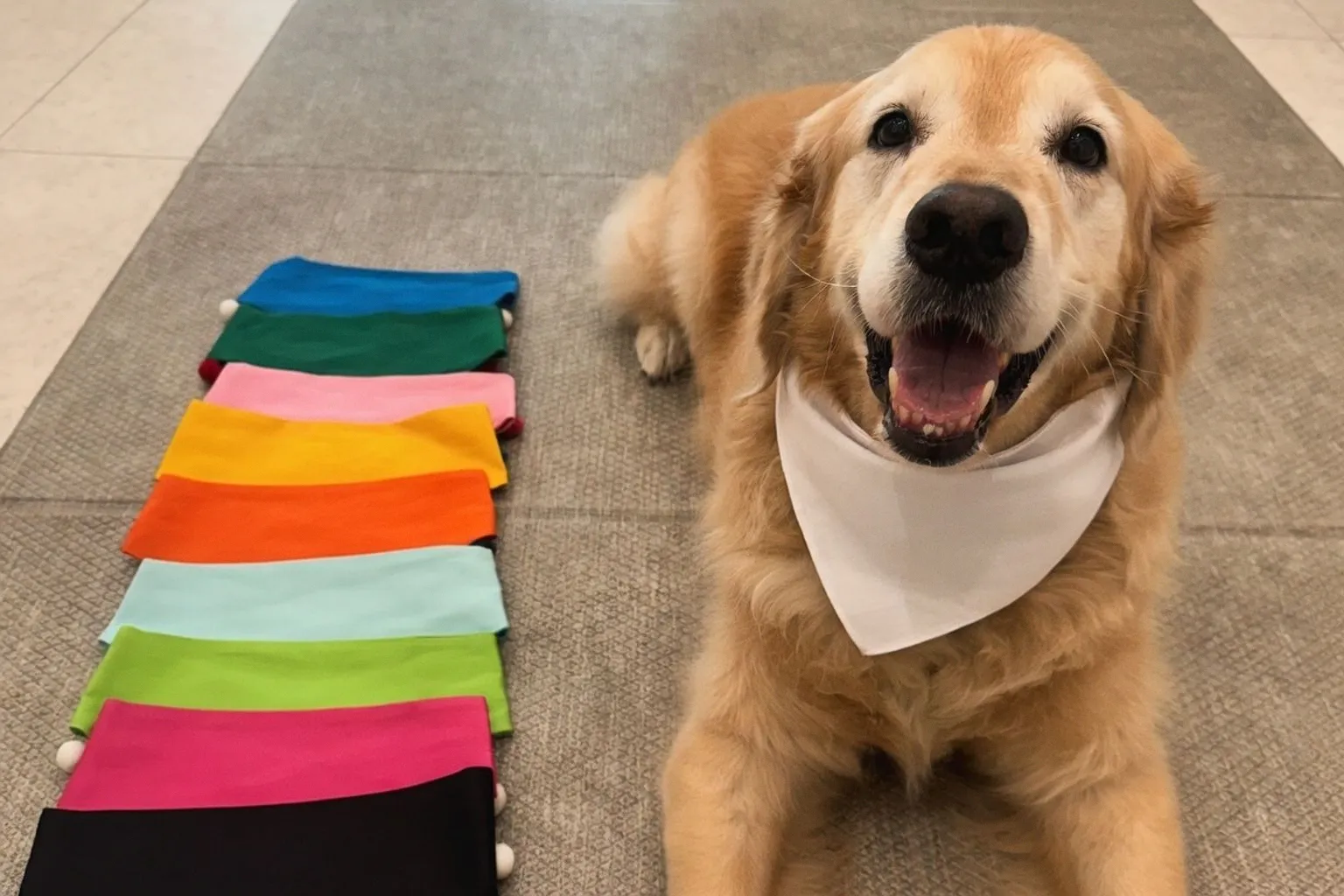
Konkuk University's KU I'm Dognor Blood Donation Center in Seoul has logged more than 570 canine donors and over 1,000 individual donations since 2023, according to The Straits Times, marking the slow but measurable expansion of South Korea's voluntary canine blood supply.
Supply structure and load limits
The Korea Herald reports that voluntary donations still account for less than 10% of the canine blood needed nationwide. Unlike the human supply, which is coordinated through organizations such as the Korean Red Cross, the veterinary system operates on a fragmented basis: collection capacity, storage conditions, and outside supplier access vary between hospitals. Donated units must be screened and stored properly, and the limited shelf life of canine blood prevents indefinite stockpiling.
A typical draw from a large, healthy dog yields roughly 300 to 400 ml, depending on weight and condition on the day. Two dedicated facilities anchor the current network: Konkuk University's center in Gwangjin-gu, Seoul, and a parallel unit at Kyungpook National University in Daegu. Both are linked to Hyundai Motor Group's "I'm Dognor" campaign, launched in 2019, which operates mobile donation vehicles at multiple locations nationwide. The Korea Canine Blood Donor Association maintains a separate network of affiliated partner hospitals for guardians seeking an entry point outside the university centers.
Historical supply relied on commercial donor dogs kept primarily for repeated collection. Welfare concerns tied to that model are the proximate driver behind the shift toward guardian-supplied voluntary donors.
Eligibility as a biomechanical and hematologic filter
Donor criteria function as load-tolerance thresholds, not administrative hurdles.
- Weight floor. Minimum weight thresholds (commonly cited at 25 kg and up) exist because the circulatory volume loss from a 300–400 ml draw compromises perfusion in smaller patients.
- Pre-donation screen. Veterinary assessment plus blood work screens for transmissible agents and baseline organ function before the dog is cleared.
- Age and vaccination window. Dogs outside the program's age range or without current vaccinations are excluded from the active pool.
- Cumulative volume and interval. Centers enforce minimum intervals between draws to allow hematologic recovery; per-dog donation counts are tracked to cap lifetime load.
One cited donor, Cappu, a 31 kg golden retriever, completed his tenth and final donation on July 31 at the Konkuk center. His guardian, Jo Hang-deok, told The Korea Herald that he had not initially considered canine donation and decided to enroll after learning the program existed.
Practical checklist for handlers and sitters
- Confirm weight, age window, and current health-screening records with the operating facility before scheduling a draw.
- Track per-dog cumulative donation volume and the enforced recovery interval; refuse repeated collection outside stated windows.
- Verify screening plus storage protocols at any affiliated hospital before agreeing to participate.
- For professional sitters and walkers: confirm emergency protocols cover access to transfusion-capable veterinary care, since pre-existing anemia or acute blood loss can present during off-owner supervision.