Cornell Symposium Sets New Evidence-Based Standards for Service Dog Care and Training
According to the Cornell University College of Veterinary Medicine, the Duffield Institute for Animal Behavior hosted its second annual service dog symposium on August 6–7 at the College of Veterinary Medicine campus.
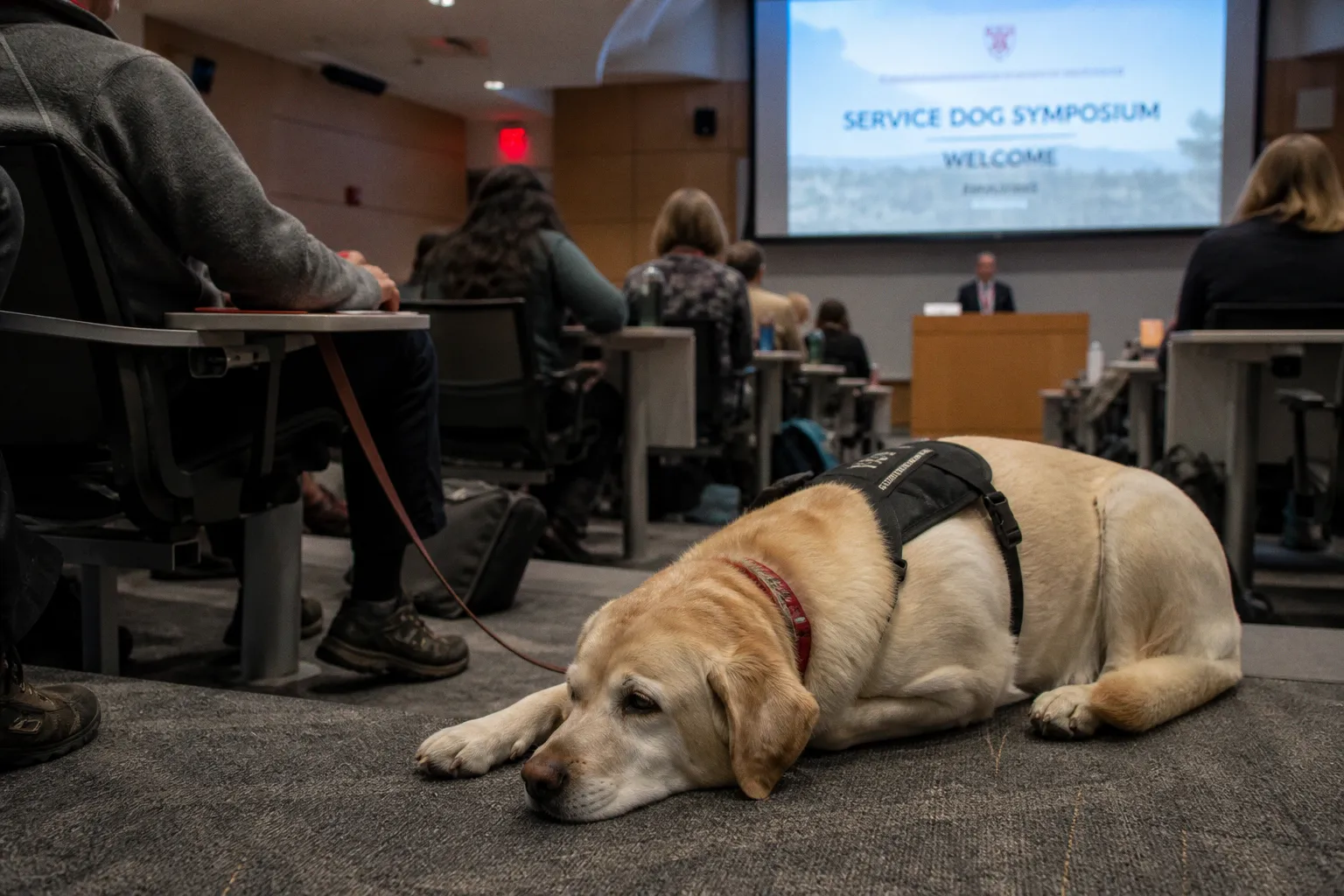
The two-day event drew 66 human attendees and 25 working or in-training service dogs representing over 30 dog-centric organizations across 12 states and two countries. For dog walkers and pet sitters operating alongside service dogs in public spaces, the symposium signals a tightening of evidence-based standards worth tracking.
What Was Presented
The agenda featured five presenters delivering two lectures each, spanning orthopedic screening, nutrition, behavior, and training pipeline identification. Dr. Margret Lenfest, assistant clinical professor of sports medicine and rehabilitation at Cornell, covered canine elbow and hip dysplasia along with obesity management. Dr. Sarah-Elizabeth Byosiere, director of canine research and development at Guide Dogs for the Blind, addressed behavioral frameworks. Dr. Martha Cline, senior manager of veterinary technical communications at Purina, spoke on technical communications for veterinary teams. Dr. Brenda Kennedy, chief scientific officer with Canine Companions, focused on identifying and nurturing future service dogs. The speaker slate drew from Canine Companions, Guide Dogs for the Blind, Harvard University, Nestle Purina PetCare, and CVM.
Attendees could earn 10 Assistance Dogs International (ADI) and veterinary professional continuing education credits across the two days. Purina sponsored the event. The Duffield Institute, established in 2022 following a gift from the Dave & Cheryl Duffield Foundation, hosted and organized it.
Operational Implications for Walkers and Sitters
- Orthopedic load: the dysplasia and obesity presentations directly intersect with gait analysis and load distribution during leash work. Adjust pace, surface selection, and session duration for visibly stiff or overweight dogs; flag concerns back to the handler before assuming baseline fitness.
- Behavioral baseline: symposium content on identifying future service dogs implies stricter temperament screening standards across the working-dog pipeline. Treat unfamiliar service dogs as operating equipment, not social targets, regardless of apparent calm.
- Credentialing: 10 CE credits per attendee indicates a structured curriculum. Confirm a handler's service dog's training organization and ADI accreditation status before assuming any handler-pet-sitter protocol applies.
- Handling etiquette: when a service dog is on duty, do not engage, feed, or distract. The symposium reinforced this as a community-wide standard rather than a preference.
Safety Parameters to Verify Before Each Engagement
- Confirm the dog's working status with the handler before any leash transfer or solo walk.
- Record gait irregularities, visible joint swelling, or weight changes; report to the handler and flag for veterinary review.
- Maintain documented separation from food, treats, and unauthorized petting during work hours.
- Verify the service dog's organization, certification level, and public access rights; do not assume.
- Reassess route difficulty against orthopedic risk factors before each session.