Pet first aid courses: which training path fits your needs?
Choosing among pet first aid certification options for sitters is less about finding the longest course and more about matching the training format to the risks you actually manage.
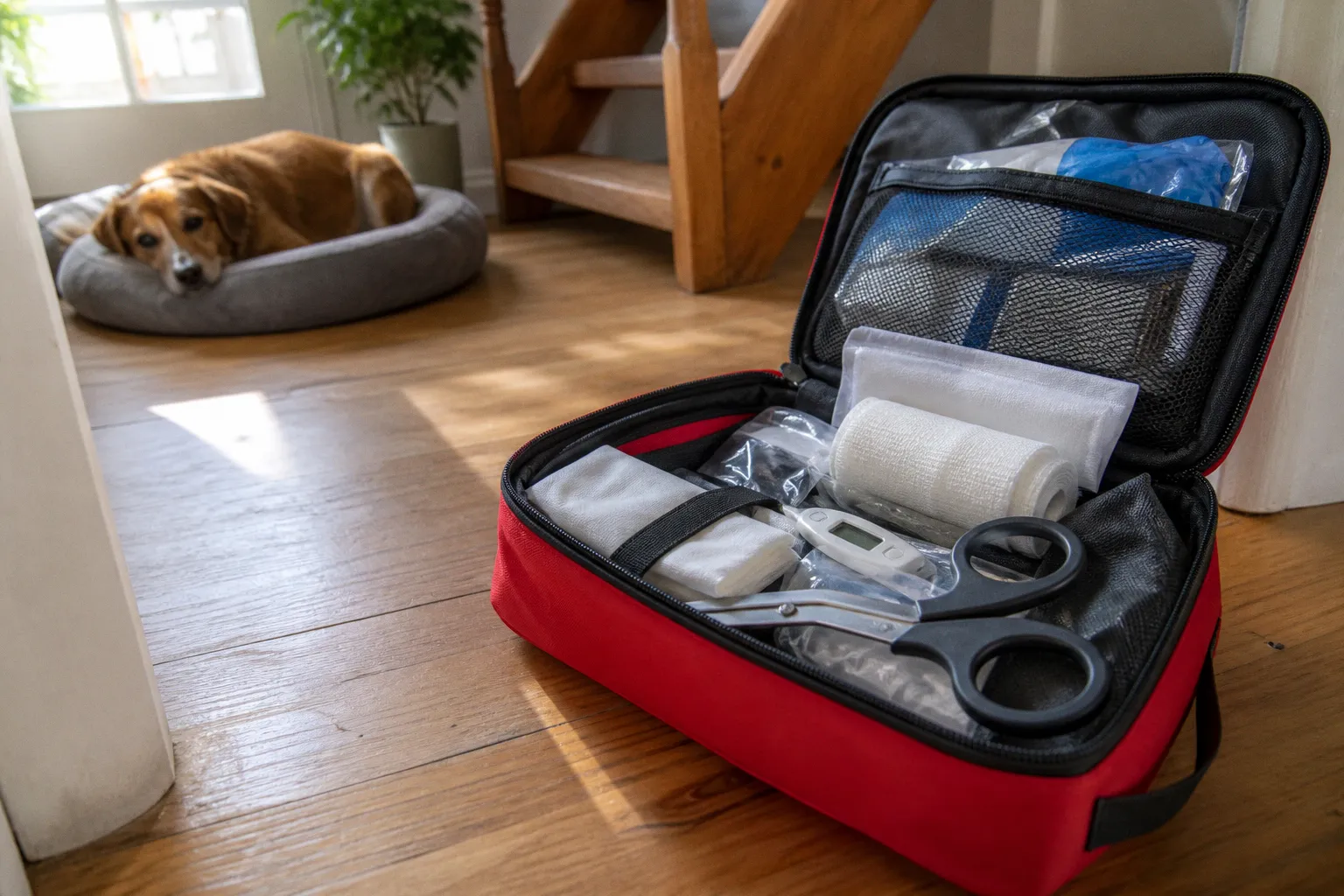
A dog walker covering several neighborhoods, a pet sitter caring for a senior dog overnight, and a boarding professional handling multiple animals need overlapping knowledge—but not necessarily the same training path.
Compare car rental deals in United Kingdom
See available offersPartner link — DiscoverCars comparisonThe central decision is straightforward: do you need fast, accessible instruction in recognition and triage, or do you need repeated physical practice with CPR, choking response, and emergency handling? In most professional settings, the strongest approach is not online instead of in-person training, but online learning as a baseline followed by hands-on practice when the role and schedule justify it.
A short online course can help you recognize a problem and organize the next steps. It cannot, by itself, guarantee that you can perform chest compressions confidently on an unconscious animal. That distinction matters during the transition phase between noticing an emergency and transferring the pet to veterinary care.
Start with the job, not the course catalog
Pet first aid training should be planned around the situations you are likely to encounter, the amount of time you spend alone with animals, and how quickly you can reach veterinary support. A professional dog walker may need immediate decision-making during a choking incident, heat-related illness, injury, or collapse in a public place. An overnight sitter may also need to monitor breathing, recognize pain, manage a wound, and coordinate transport when the primary veterinarian is closed.
Before comparing providers, map the care environment:
- How long are you responsible for the pet at one time? A thirty-minute walk creates a different exposure window from a three-day house sit.
- Are you usually within reach of veterinary care? Rural routes, long-distance hikes, and remote boarding locations increase the importance of temporary stabilization and transport planning.
- Do you handle senior pets, brachycephalic breeds, puppies, or animals with known medical conditions? Their baseline comfort and normal behavior may differ substantially, which makes owner-provided instructions especially valuable.
- Do you work alone? A solo sitter needs a clear emergency protocol that covers assessment, owner contact, veterinary communication, and transport without waiting for another staff member.
- Will you be expected to document incidents? Professional services benefit from written medication instructions, emergency contacts, consent forms, and a simple record of what happened and when.
There is no single universally mandated governing body or certification standard for pet first aid across all states and countries. A course certificate can demonstrate completed education, but the title alone does not tell you how much practical training was included. Read the curriculum, delivery format, assessment method, and renewal expectations together.
The right course is the one that matches your responsibility window: recognition for short visits, practiced intervention for prolonged or higher-risk care, and a complete emergency protocol for both.
Online training: an efficient baseline for recognition and triage
The main advantage of an online pet first aid course is accessibility. A sitter can complete the training around work hours, revisit lessons before accepting a new booking, and build a baseline understanding without traveling to a classroom. For people entering professional pet care, this is often the most practical first step.
The American Red Cross offers a 35-minute online Cat and Dog First Aid course. Its coverage includes vital sign checks, preventative care, breathing and cardiac emergencies, wound care, bleeding, and seizures. That range is useful because many pet emergencies begin with uncertainty rather than an obvious crisis. A sitter may first notice unusual breathing, weakness, disorientation, or a change in responsiveness, and the initial task is to assess the situation without creating additional stress or delay.
Online training is particularly useful for learning how to:
1. Recognize departures from normal behavior. Owners can provide a baseline, but a course gives the sitter a framework for noticing concerning changes in breathing, alertness, movement, gum color, bleeding, or responsiveness.
2. Separate urgent problems from situations that can be monitored. This does not mean diagnosing the pet. It means identifying when observation is unsafe and veterinary contact should happen immediately.
3. Prepare for temporary stabilization. Basic first aid may help control bleeding, protect an injured area, or reduce further harm while transport is arranged.
4. Organize communication. A calm, accurate report to the owner and veterinary team is more useful than a vague message that the pet seems unwell.
5. Build a repeatable emergency sequence. Assessment, scene safety, owner notification, veterinary contact, and transport should not depend entirely on memory during a stressful event.
This format also works well for walkers who are adding pet care services but do not yet know whether they will take on medical-needs or overnight clients. It can establish a common vocabulary and expose gaps in the sitter’s emergency plan before those gaps become operational problems.
The limitation is physical technique. Watching a demonstration is not the same as positioning an animal, finding the correct compression area, maintaining a rhythm, or adapting to different body shapes. Online coursework emphasizes symptom recognition, triage, and temporary stabilization; it generally does not provide the repeated tactile feedback available in a classroom with a training manikin.
That makes a short online course a strong baseline, but a narrow definition of preparedness if it is treated as the entire plan.
When online learning is the sensible first choice
An online canine CPR course can be appropriate when:
- you are beginning to offer dog walking or sitting and need foundational emergency education;
- your work involves short, routine visits with generally healthy animals;
- travel time makes classroom training difficult;
- you want to complete theory before attending an in-person session;
- you need to refresh terminology and emergency steps before taking on a new type of booking.
For a professional sitter, the best use of an online course is often procedural. Complete it, record the key steps in your service materials, and then translate the content into practical arrangements: emergency contacts, veterinary authorization, transport access, and a pet-specific care sheet.
In-person classes: where technique becomes a usable skill
In-person pet first aid and CPR classes typically run from two to eight hours, depending on the provider and depth of instruction. Sessions with extensive manikin practice may take four to five hours. The longer format is not automatically better, but it creates room for the part of training that online lessons cannot reproduce: doing the work repeatedly under supervision.
A practical class may allow participants to rehearse:
- checking responsiveness and breathing;
- positioning a dog or cat safely;
- locating the chest area for compressions;
- maintaining a consistent compression rhythm;
- managing the sequence for choking or airway obstruction;
- applying bandaging or wound-care techniques;
- responding while another person contacts a veterinarian or prepares transport.
Repetition matters because emergency response is a motor skill as well as a knowledge task. In a real incident, the animal may be frightened, painful, heavy, or difficult to position. The room may be noisy, the owner may be unreachable, and the sitter may have to make several decisions at once. A manikin cannot reproduce every variable, but it can expose uncertainty before a professional is alone with a live animal.
This is particularly important for professionals who provide extended care. If a sitter is responsible for an animal overnight, the emergency plan cannot stop at recognizing that something is wrong. The sitter must know how to move from observation to action, including who has authority to approve treatment, which clinic is open, and how the pet will be transported.
The trade-offs of classroom training
In-person education requires more coordination. Course schedules may not fit a sitter’s calendar, and access can vary by location. It may also cost more than a short self-paced class, although exact fees depend on the provider and region.
The practical benefits are greater when the course offers:
- sufficient time for each participant to practice;
- separate dog and cat techniques where relevant;
- instructor correction rather than demonstration only;
- a clear distinction between first aid, CPR, and veterinary treatment;
- a completion record that identifies the training scope and date.
A classroom certificate should still be read accurately. It indicates participation or completion according to that provider’s process; it does not mean the sitter can replace emergency veterinary care. CPR and first aid are temporary interventions intended to support the pet while professional care is being accessed.
Comparing the main training paths
The following comparison is more useful than ranking providers by name alone, because the same organization may offer different delivery formats and course depths.
| Training path | Best suited to | Main strength | Main limitation | Practical follow-through |
|---|---|---|---|---|
| Short online course | New sitters, dog walkers, low-risk routine visits | Fast access to triage, symptom recognition, and emergency concepts | Does not establish hands-on CPR proficiency | Build an emergency contact and veterinary-access plan |
| Longer online specialist course | Professional sitters seeking role-specific education | More targeted coverage of first aid and CPCR for pet-care work | Still limited for physical technique without practice | Add supervised manikin practice if caring for higher-risk pets |
| In-person first aid and CPR class | Overnight sitters, boarders, walkers in remote areas, staff teams | Repeated practice with physical positioning and response techniques | Requires time, travel, and scheduled attendance | Refresh skills periodically and document staff training |
| Combined online plus in-person path | Established professionals and higher-responsibility services | Theory and technique are developed separately but connected | Requires the greatest time commitment | Integrate training into a written service-wide protocol |
Pet Sitters International provides online coursework focused on Pet First Aid and CPCR, tailored specifically for professional pet sitters. That professional orientation can be helpful when the learner needs more than general pet-owner information, particularly around the responsibilities of caring for an animal on someone else’s behalf.
The best pet first aid course for professionals is therefore not necessarily the one with the most dramatic title or the shortest completion time. It is the course that makes the sitter more reliable at three connected tasks: identifying a serious change, taking a safe temporary action, and transferring accurate information to the veterinary team.
Pet Tech and Red Cross: different emphases, not a simple winner
Pet Tech is recognized as a dedicated international training organization for pet CPR and first aid. It is known for its Snout-To-Tail Assessment protocol for dogs and cats, which places attention on a structured examination of the animal rather than a single isolated emergency technique.
That structure can be useful in professional care because it supports a consistent starting point. A sitter who has a familiar assessment sequence is less likely to overlook a change in breathing, responsiveness, bleeding, or general condition. The value is not in turning a sitter into a diagnostician; it is in making observation more organized and communication more precise.
The American Red Cross online course, by contrast, offers a concise and accessible introduction covering a broad set of first aid topics. Its 35-minute length makes it suitable for a baseline course, especially when the immediate need is to establish basic awareness across a team or prepare a new sitter before their first bookings.
These options can serve different points in a professional development plan:
- Red Cross online training may fit a quick foundational stage, particularly for new walkers and sitters.
- Pet Tech training may appeal to professionals looking for a dedicated pet first aid and CPR framework with a structured assessment approach.
- PSI coursework may be useful when the learner wants content specifically aligned with professional pet-sitting responsibilities.
- In-person instruction from a qualified provider is the appropriate direction when physical rehearsal is central to the role.
There is no need to force these providers into a single universal ranking. The more useful question is whether the course’s format and curriculum match the risks of the service being delivered.
A certificate records training; a workable emergency system connects that training to the pet’s baseline, the owner’s instructions, the nearest veterinary option, and the sitter’s actual role.
What professional sitters should build around the course
First aid education becomes more dependable when it is embedded in the booking process. A course may teach what to look for, but the sitter’s service system determines whether the right information is available when time is limited.
For each pet, create a care record that includes:
- the primary veterinarian and preferred emergency clinic;
- owner and backup contact details;
- permission and financial instructions for emergency veterinary care;
- current medications, allergies, chronic conditions, and known triggers;
- normal eating, drinking, breathing, mobility, and bathroom patterns;
- behavior around handling, restraint, strangers, and other animals;
- the safest way to transport the pet;
- location of supplies such as a leash, carrier, muzzle if appropriate, medications, towels, and wound-care materials.
This information creates familiarity anchors for the sitter. It also helps distinguish an established baseline from a genuine change. A senior dog that normally rises slowly is different from a dog that suddenly cannot stand. A brachycephalic dog with its usual breathing pattern is different from one showing a new or worsening effort to breathe. The course provides the framework; the pet record provides context.
Professional sitters should also maintain a location-based emergency plan. The nearest clinic may not be the usual veterinarian, and opening hours can change. A dog walker should know how to reach help from common routes, while a house sitter should know whether the owner’s preferred clinic accepts emergency arrivals after hours. If the service includes transportation, the vehicle should be able to accommodate the pet safely without creating a second hazard.
For team-based businesses, the protocol should clarify who:
1. assesses the pet and stays with the animal;
2. contacts the owner and veterinary clinic;
3. retrieves records and prepares transport;
4. documents the timeline and actions taken.
This is not bureaucracy for its own sake. Clear role allocation reduces duplicated calls and prevents the animal from being left unattended while everyone assumes someone else is arranging care.
CPR technique: why practice and accuracy matter
Pet CPR should never be treated as a substitute for emergency veterinary treatment. In a life-threatening event, the objective is to recognize the crisis, begin appropriate emergency measures if indicated, and reach professional care as quickly as possible.
The commonly taught compression rate for canine and feline CPR is 100 to 120 compressions per minute, with compressions reaching approximately one-third to one-half of the pet’s chest width. These figures are useful because rhythm and depth are difficult to estimate intuitively under pressure. They also illustrate why a practical session is valuable: the learner must translate a numerical instruction into controlled physical movement while maintaining animal positioning and the wider emergency sequence.
Size and body shape affect how the technique is performed. A small dog, a deep-chested dog, and a cat do not present the same handling problem. A sitter should not assume that one memorized hand position applies identically to every animal. This is one reason a generalized online demonstration may be insufficient for professionals who regularly care for different breeds and sizes.
An in-person class can also help correct a common misconception: knowing CPR steps is not the same as being able to sustain them effectively. A sitter may understand the rhythm but lose positioning, compress too lightly, or become focused on the technique while failing to arrange veterinary transport. Training should therefore connect physical action with the full response chain.
If a course teaches CPR, ask whether the participant actually practices it. If the answer is no, treat the course as theory and triage preparation rather than proof of hands-on proficiency.
A practical training sequence for walkers and sitters
For many professionals, a staged plan is easier to maintain than waiting for one perfect course.
Phase one: establish the baseline
Complete a reputable online course that covers vital sign checks, breathing and cardiac emergencies, wound care, bleeding, seizures, and preventative care. Use this stage to identify which areas are unfamiliar and which types of booking may require more preparation.
Phase two: convert knowledge into service procedures
Update intake forms, emergency contacts, veterinary authorization, medication records, and transport plans. Do not leave the course material in a completion email that no one revisits. Convert it into accessible operating information for each pet and each service location.
Phase three: add hands-on practice
Choose an in-person class when your work includes overnight care, boarding, remote walks, medically fragile animals, senior pets, or multiple staff members. Select a session that provides actual manikin practice rather than lecture-only instruction.
Phase four: rehearse the handoff
Practice the communication step: what you would tell the owner, what information the veterinary team would need, and how another staff member would locate the pet’s records. A calm, chronological report is part of emergency competence.
Phase five: review after changes
Revisit the plan when a pet’s medication, mobility, diagnosis, or veterinary provider changes. For a business, review staff training records and emergency contacts on a regular schedule. The relevant question is not simply whether someone was certified once, but whether the procedure still matches the service being offered.
How to choose without overtraining or underpreparing
The decision can be made by matching exposure and responsibility to training depth.
Choose an online course as a starting point if you are new to pet care, provide brief routine visits, or need accessible foundational education. Choose an in-person class if you spend long periods alone with pets, work far from veterinary services, provide boarding, or expect to respond physically during an emergency. Choose both when pet care is your profession and your clients reasonably expect a structured safety system.
Also look beyond the word certification. Review the course duration, whether the content is dog-and-cat specific, whether vital sign assessment and temporary stabilization are included, whether CPR is practiced or merely described, and whether the provider explains the limits of first aid. A polished certificate with little physical practice may be less useful to a boarding professional than a clearly scoped course that includes supervised repetition.
The most responsible training path is the one that leaves no false confidence behind. A short course can be genuinely valuable without being presented as complete emergency mastery. A classroom session can strengthen technique without granting permission to delay veterinary care. Both become more effective when connected to pet-specific records, accessible clinics, transport arrangements, and a practiced handoff.
For most professional sitters, the sensible route is sequential: begin with online triage education, build the surrounding emergency protocol, then add in-person CPR and first aid practice when the care setting demands it. That approach keeps preparation manageable while steadily raising the standard of care.
The expected outcome is not that a sitter can solve every medical crisis. It is that, when a pet’s condition changes, the sitter can recognize the change, protect the animal from further harm, communicate clearly, and move toward veterinary care without losing valuable time.