Essential Strategies for Managing Your Dog’s Daily Walking and Social Routine
Forbes has rolled out a fresh collection of 33 dog care tips aimed at pet parents looking to tighten up the moving parts of daily canine life, and the companion guidance from People for the Ethical…
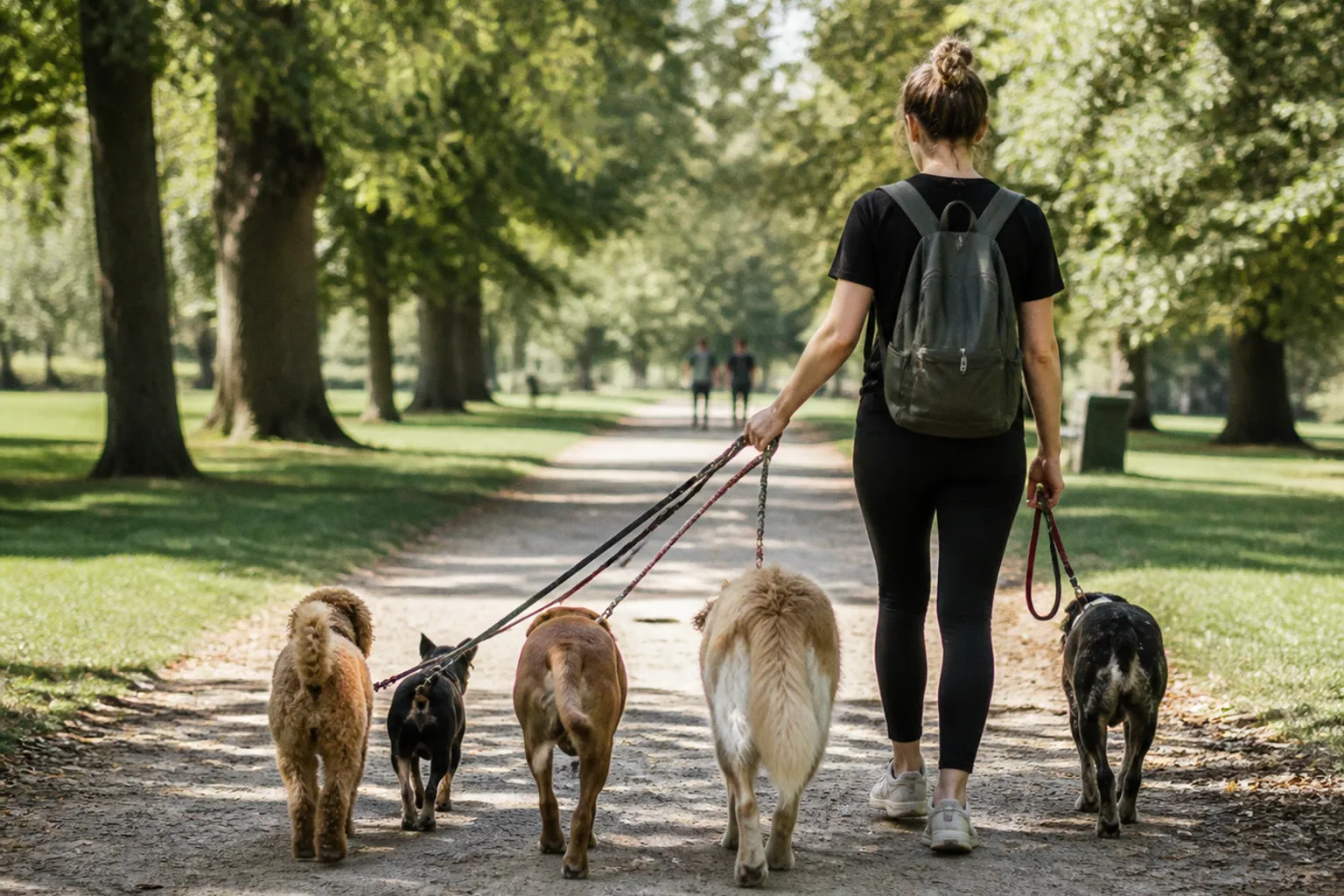
Forbes has rolled out a fresh collection of 33 dog care tips aimed at pet parents looking to tighten up the moving parts of daily canine life, and the companion guidance from People for the Ethical Treatment of Animals (PETA) — featuring actor Michael Vartan and his dog Millie — zooms in on the walking and socialization side of that picture, offering a working blueprint readers can fold into their existing sitter and walker handoffs.
Walking logistics that quietly shape behavior
According to the PETA piece, adult dogs typically need at least four walks a day, and the quality of those outings carries as much weight as the count. Vartan frames it as a baseline comfort issue rather than a fitness target: "when I take [Millie] on a walk, I make sure she gets to sniff as long as she wants … I always remember this is her walk, so I don't pull on her and I don't rush her." For parents who manage outside help, that translates into a small but real scheduling shift — building extra minutes into the route at open stretches so a dog can read the neighborhood at her own pace, even when the human on the other end of the leash has a tight window.
On equipment, the same guidance leans toward nylon harnesses over collars for everyday outings, since choke and prong collars can cause pain and injury. For dogs who pull hard, the Easy Walk Harness is cited as a no-discomfort option worth adding to a household gear inventory before a new walker or sitter takes over.
Social time and letting a dog choose
The guidance also flags regular social interaction as a requirement, not a perk. Dogs deprived of contact with other dogs can slide toward depression, which means scheduled park time and playdates belong on the same logistics sheet as feeding and walking. Vartan's broader framing — giving a dog "the freedom to make choices" — reads less like indulgence and more like building familiarity anchors that help a dog settle through a transition phase, whether the shift involves a new sitter, a new walker route, or a boarding stay.
For parents coordinating with outside caregivers, the practical takeaway is straightforward: whoever steps in for walks and feeding should be briefed on your dog's preferred pace, sniffing time, and socialization style, so the baseline your dog recognizes at home carries into the new routine. Watch how your dog adjusts over the first week of any new arrangement — that's the window where small handling mismatches tend to surface, and they're simple to correct when caught early.