Post-Swim Safety: Why Monitoring Your Dog After a Pond Dip Is Critical
Massachusetts authorities are examining the circumstances behind a canine death that followed a pond swim, according to a Yahoo report.
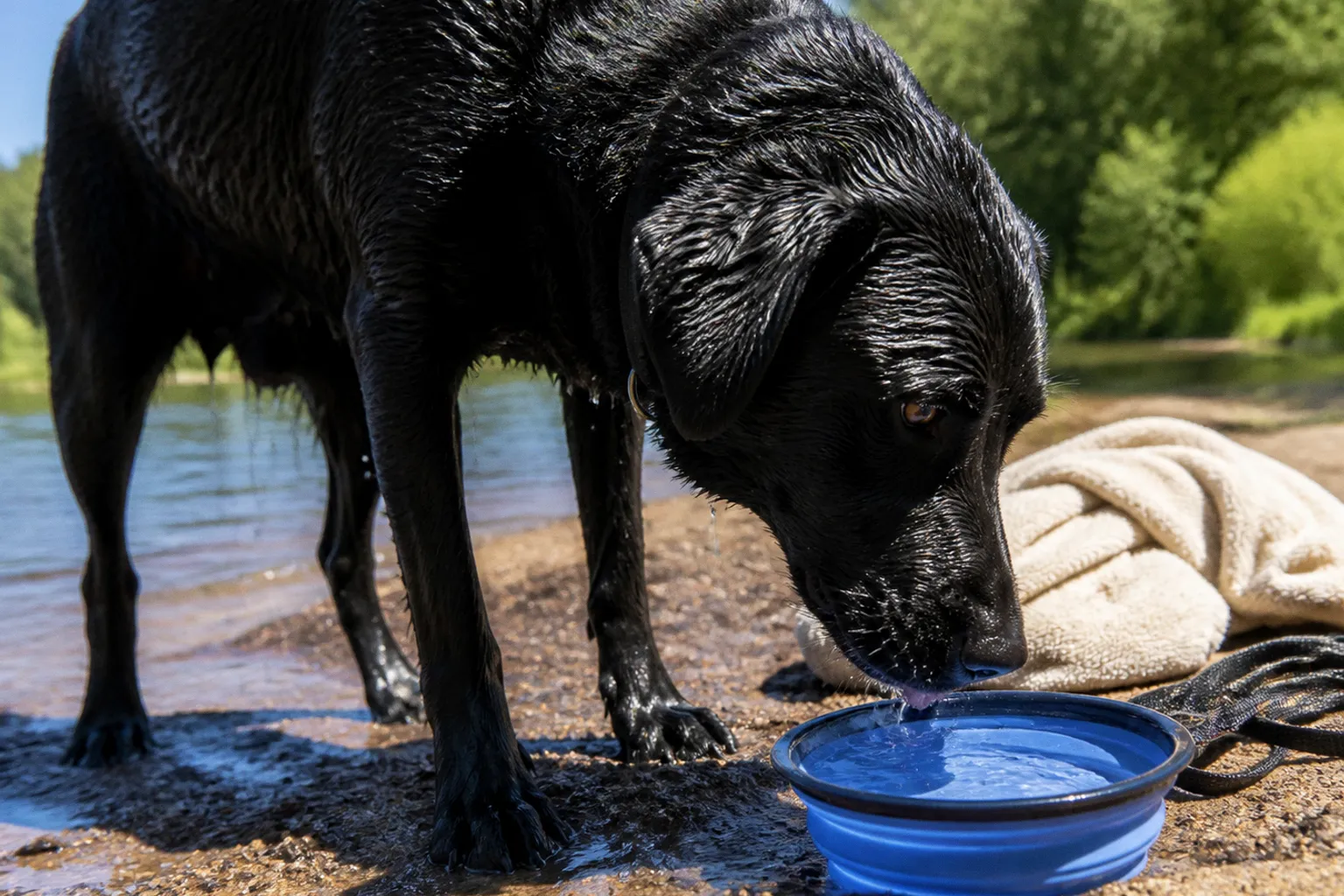
The investigation has surfaced a public advisory: leaving a natural body of water is not the end of the exposure window, and handlers should treat post-swim time as an active monitoring phase rather than a recovery period.
Operational Read
A natural-water swim introduces variables the handler cannot see at the surface: water chemistry, bacterial load, runoff content, algae presence, and the temperature differential at exit. The swim itself is one segment of the risk window. The hours after the dog leaves the shoreline carry equal weight, and the Massachusetts case is a working reminder that a dry coat does not equal a cleared animal.
The protocol below applies to ponds, lakes, slow-moving rivers, and retention basins. It does not apply to chlorinated pools, which carry a different risk profile.
Exit Protocol
- Prevent ingestion at the source. Carry potable water and offer it before and during the session. A hydrated dog drinks less from the pond.
- Rinse the animal with clean water the moment you leave the shoreline. Prioritize paws, ventral abdomen, and muzzle. Use a dedicated rinse bottle or a clean bucket of tap water; lake water applied to a wet coat defeats the purpose.
- Towel the coat before the vehicle. A saturated undercoat compromises thermal regulation and holds surface contaminants against the skin. Dry the axillary and inguinal regions first; these trap moisture longest.
- Inspect for cuts, abrasions, and ear moisture. Open skin and a wet ear canal are direct entry points. Note any finding in the log.
- Log site, date, duration, and observed water conditions. Visible algae, foam, discoloration, or dead wildlife downstream are worth recording. If a symptom appears later, this record shortens veterinary triage.
- Hold a 72-hour observation window. Track appetite, water intake, stool quality, gait, and energy level against baseline. Document any deviation, including the time it was first noticed.
Triage Triggers and Open Variables
Escalate to a veterinarian the same day if any of the following appear:
- Vomiting or diarrhea persisting past 24 hours
- Visible change in mucous membrane color, including yellowing or pale tones
- Reluctance to bear weight, lameness, or any shift in gait symmetry
- Sustained drop in energy, appetite, or responsiveness
- Muscle tremors, seizure activity, or disorientation
- Increased thirst or urination outside the normal range
Do not wait for multiple signs. A single-sign presentation still warrants a call. When you call, lead with the exposure record: where, when, duration, water observations, and any post-ex rinse. That sequence moves the case faster than a symptom list alone.
The Massachusetts investigation has not, per the available reporting, identified the specific agent or mechanism behind the reported death. Operators should not extrapolate from one case to a general hazard rating for all ponds or for the season. Revisit the protocol if the investigation publishes a confirmed cause.