PFAS Contamination in Commercial Pet Food: What Pet Care Professionals Need to Know
News-Medical reports that commercial pet food may be a contributing exposure route for long-chain PFAS in dogs and cats.
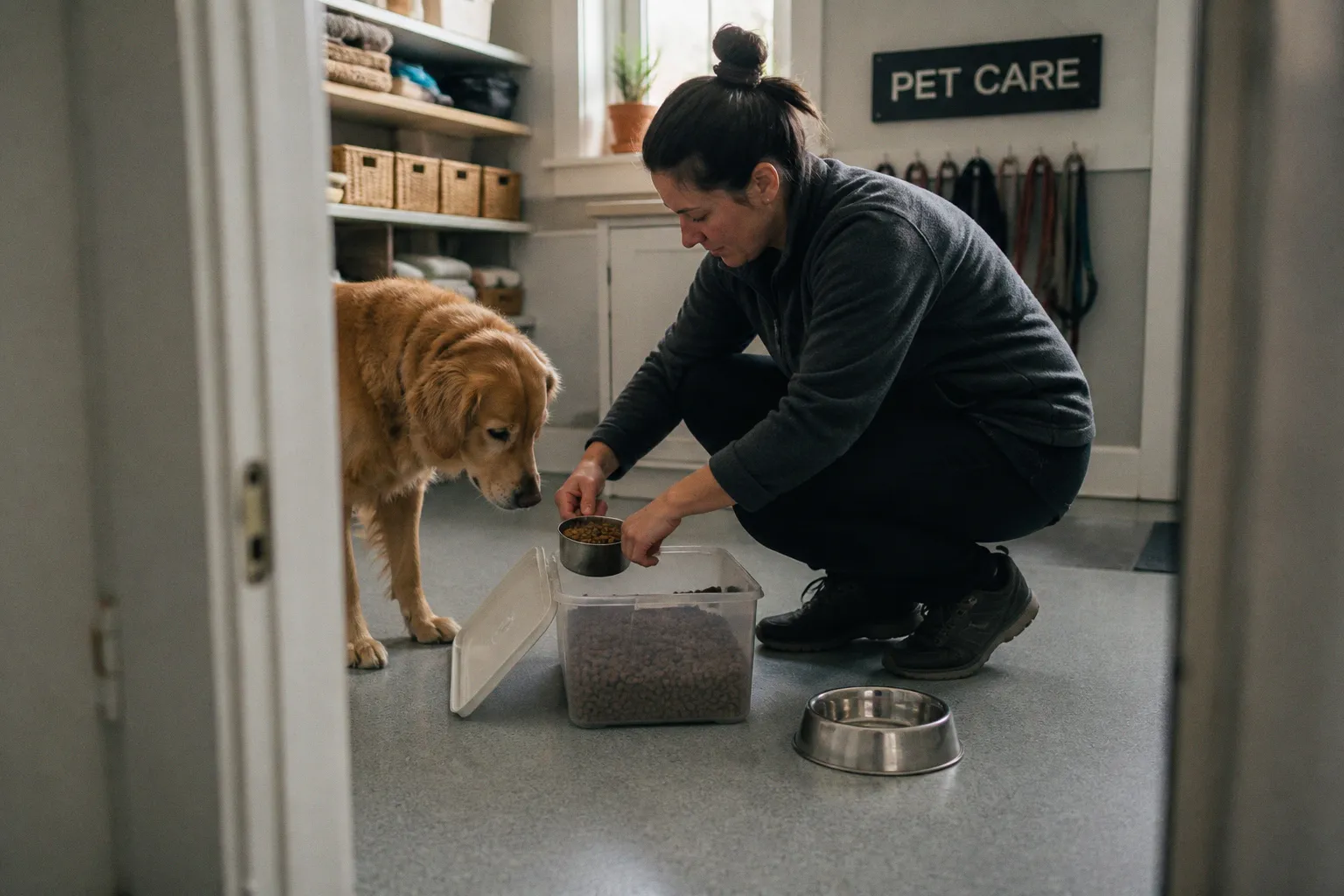
The framing positions feed as an input variable in total body burden, not as the sole contamination source. PetfoodIndustry carries the same line under the headline "PFAS in pet food: tracing exposure in dogs, cats." For handlers, sitters, and owners managing daily intake, this shifts feed label scrutiny from marketing claims toward contaminant screening protocols.
What the reporting establishes
Both outlets surface the same finding: pet food is now being examined as a contributor to long-chain PFAS exposure in companion animals. The available brief carries no specific study authors, sample sizes, species splits, or concentration thresholds. The operative claim is associative — feed is in the exposure pathway. Treat it as a working hypothesis under active investigation, not a confirmed dose-response outcome. Any operational protocol built on it remains provisional until quantitative data is published.
Exposure parameters worth defining
Long-chain PFAS are persistent, lipid-soluble, and bioaccumulative. That changes the control calculus. The variables a handler or sitter can actually manage narrow to a short list:
- Protein source. Fish-based ingredients, animal meals, and rendered by-products concentrate fat-soluble compounds. Request supplier disclosure on origin and sourcing geography where available.
- Processing aids. Some bag liners, grease-resistant paperboard, and can linings carry PFAS-based coatings. Look for explicit "PFAS-free" or "fluorine-free" packaging statements on the product or the manufacturer's technical documentation.
- Water supply. PFAS load enters the animal through the full intake chain. Confirm whether the household or facility uses municipal treated water, private well, or filtered supply, and whether the source has published testing data.
- Duration. Continuous low-dose exposure outranks occasional treats. Daily baseline feed matters more than supplementary items.
Field checklist
- Audit current feed brand for published third-party PFAS testing or contaminant screening statements.
- Confirm water source testing status for the residence, kennel, or sit location.
- Log any feed format changes — wet to dry, protein source rotation, new supplier — alongside any health monitoring records.
- Track follow-up reporting from News-Medical and PetfoodIndustry for study design specifics, concentration ranges, and species-level data before adjusting intake protocols.